
Fuel Price Surge: Petrol Edges Toward ₦1,400 as Dangote Adjusts Rates
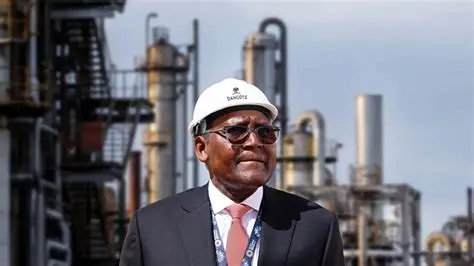
Rising fuel costs are again putting pressure on Nigerians, as petrol prices climb closer to ₦1,400 per litre following a fresh increase from the Dangote Refinery.
The latest adjustment pushed the refinery’s loading price to about ₦1,275 per litre, triggering immediate reactions across filling stations where pump prices began rising in response.
Across parts of Lagos and the South-West, retail prices quickly moved from around ₦1,250 to above ₦1,300 per litre, with some areas already nearing the ₦1,350 mark.
In northern regions and locations farther from supply hubs, the situation appears more severe, as petrol prices are edging close to ₦1,400 per litre due to additional transport and distribution costs.
The increase is largely tied to global oil market pressures, particularly the ongoing tensions in the Middle East, which have driven crude oil prices higher in recent days.
Data shows that Brent crude jumped significantly, forcing refiners to adjust pricing in line with international benchmarks that still influence Nigeria’s deregulated fuel market.
Industry operators say the ripple effect has been immediate, with marketers adjusting pump prices to reflect the higher depot cost.
There are also concerns that supply disruptions linked to operational changes at the refinery briefly affected product availability, adding to price volatility.
Stakeholders in the downstream sector warn that the situation could worsen if global tensions persist, noting that petrol prices may exceed ₦1,500 per litre under current conditions.
The development has renewed calls for government intervention, especially as rising fuel costs continue to impact transportation, food prices, and general living expenses.
Experts say Nigeria’s reliance on international pricing dynamics means local consumers remain exposed to global shocks, despite increased domestic refining capacity.
For now, the market remains unstable, with both marketers and consumers watching closely as events in the global oil space continue to shape local fuel prices.
 Remi Tinubu Honoured with Anambra Chieftaincy Title
 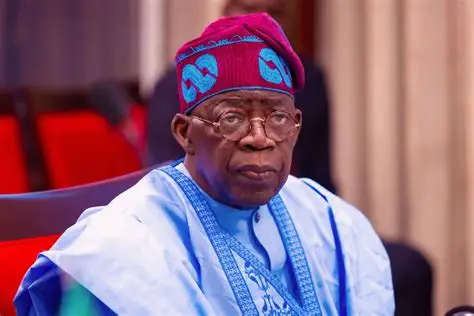 Tinubu Mourns Peter Onwubuariri, Presidential Media Aide Dies At 48
  Peter Obi’s Convoy Blocked In Benue As Sowore Condemns Incident
 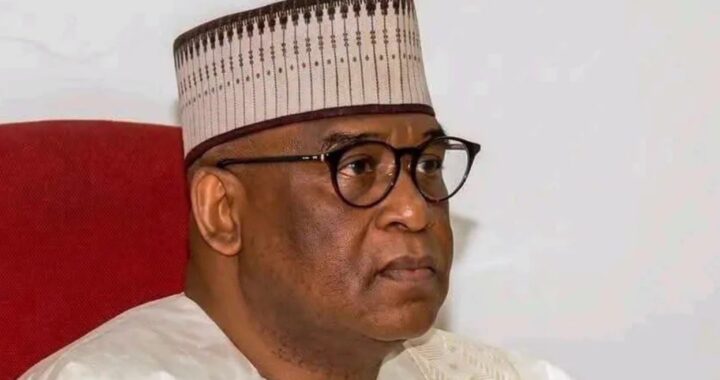 Former Katsina Senator Bello Mandiya Dies At 62
 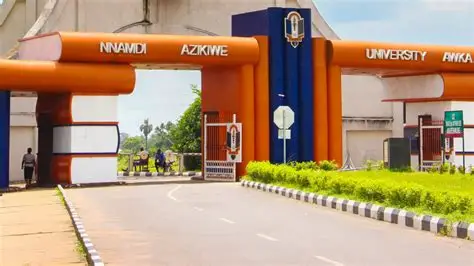 UNIZIK Lecturers Begin Indefinite Strike Over Unpaid August Salary
  Kwara Police Seek More Vehicles, Equipment To Strengthen Fight Against Crime
  2027: Governorship Campaigns Begin As Candidates Unveil Fresh Promises
  New York Student Sentenced To One Year In Dubai Prison Over Airport Incident