
Nigeria’s Petrol Imports Crash by N2tn, Drop to ₦87bn in First Quarter
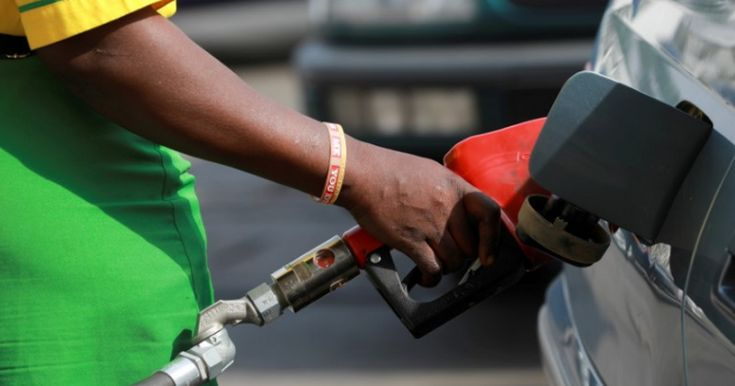
Nigeria’s spending on petrol imports has recorded a dramatic fall, crashing by over ₦2 trillion to just ₦87.4 billion in the first quarter of 2026, according to the latest foreign trade data released by the National Bureau of Statistics (NBS).
The figure marks a sharp 96.15 per cent decline when compared with the ₦2.27 trillion spent on petrol imports during the same period in 2025. The report shows that petrol, officially classified as Motor Spirit Ordinary, is no longer among Nigeria’s top imported commodities.
The NBS data revealed that Nigeria’s total import bill stood at ₦13.6 trillion in Q1 2026, representing a drop compared to the previous year. However, petrol import spending fell far more sharply than other categories, making it one of the biggest shifts in the country’s trade structure.
Analysts say the collapse in petrol imports reflects the growing impact of domestic refining capacity, which has reduced Nigeria’s dependence on imported fuel. This trend is linked largely to increased output from local refineries supplying a higher share of national consumption.
The data also showed that other petroleum-related imports dropped significantly within the same period, as locally refined products continued to gain ground in the downstream sector.
For years, Nigeria was heavily dependent on imported petrol despite being a major crude oil producer. Weak performance of state-owned refineries forced the country to rely on foreign suppliers to meet local demand.
However, recent investments in refining infrastructure have begun to change the pattern, with local production now supplying a larger portion of fuel consumed in the country.
The latest figures suggest a structural shift in Nigeria’s petroleum trade, with reduced imports easing pressure on foreign exchange demand and reshaping the downstream oil market.
 Remi Tinubu Honoured with Anambra Chieftaincy Title
  Tinubu Mourns Peter Onwubuariri, Presidential Media Aide Dies At 48
  Peter Obi’s Convoy Blocked In Benue As Sowore Condemns Incident
  Former Katsina Senator Bello Mandiya Dies At 62
  UNIZIK Lecturers Begin Indefinite Strike Over Unpaid August Salary
  Kwara Police Seek More Vehicles, Equipment To Strengthen Fight Against Crime
  2027: Governorship Campaigns Begin As Candidates Unveil Fresh Promises
  New York Student Sentenced To One Year In Dubai Prison Over Airport Incident