
Lagos Justice Ministry Records Wide-Ranging Reforms
By Ranti Thomas
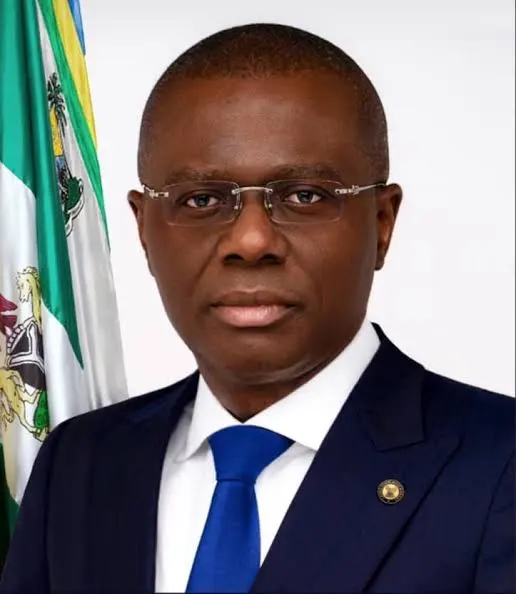
The Lagos State Ministry of Justice says it has recorded major progress in justice sector reforms, infrastructure upgrades, and public safety initiatives as part of activities marking the third year of Governor Babajide Sanwo-Olu’s second term in office. Attorney-General and Commissioner for Justice, Lawal Pedro (SAN), made this known during the 2026 ministerial press briefing held at the Baguda Kaltho Press Centre in Alausa, Ikeja, where he outlined achievements across agencies, departments, and justice institutions.
Pedro said the ministry is focused on building a justice system that is faster, more accessible, technology-driven, and citizen-centred, stressing that reforms under the THEMES+ agenda are aimed at strengthening both governance and public trust in the legal system.
A major part of the reforms includes infrastructure upgrades across the state, such as the commissioning of the Police Area Command “M” Headquarters in Idimu and the new Commercial Court in Tapa, Lagos Island. He also confirmed the renovation of the J.I.C. Taylor Courthouse, which was damaged during the End SARS protests, now rebuilt to accommodate 24 courtrooms for both High Courts and Magistrate Courts.
The state government has also expanded housing for judicial officers with the construction of 34 three-bedroom flats in Ketu for magistrates and state counsel, with 10 units specifically allocated to legal officers within the ministry, marking a first-of-its-kind welfare initiative for justice sector workers.
On digital reforms, Pedro disclosed that the Lagos Criminal Information System has now recorded 35,461 criminal cases within the last three years, pushing the total database figure to 84,297 cases as of May 2026. He explained that the system now captures detailed records including arrests, trials, bail status, convictions, custody data, and biometric information to improve transparency and case tracking.
The ministry also reported significant progress in justice delivery through its agencies, especially the Domestic and Sexual Violence Agency, which handled over 20,000 cases involving domestic abuse, sexual offences, harassment, and related violations. The agency also expanded public support systems such as helplines, digital reporting tools, and awareness programmes aimed at strengthening prevention and response.
In dispute resolution, the Citizens’ Mediation Bureau received 117,575 cases and resolved 49,854 of them through alternative dispute mechanisms, while recovering about ₦1.49 billion for parties involved. The Bureau of the Public Defender also handled over 42,000 court cases, received 27,457 petitions, secured 1,759 judgments, and assisted thousands of indigent residents, including the rescue of vulnerable children across the state.
Pedro further highlighted achievements in law enforcement and property protection, noting that the Special Taskforce on Land Grabbers received 1,628 petitions, concluded over 200 cases, carried out enforcement actions, and prosecuted more than 25 offenders involved in land grabbing activities. He added that the Directorate of Citizens’ Rights resolved thousands of petitions and helped save the state over ₦12 billion through successful legal defences.
On criminal justice administration, the Directorate of Public Prosecutions issued 2,342 legal advice reports, approved 687 plea bargains, filed 1,485 criminal charges, and secured 391 judgments, including convictions in several high-profile cases. The Directorate of Civil Litigation also recorded major legal wins, saving Lagos State an estimated ₦96.6 billion in potential liabilities from lawsuits filed against the government.
The ministry’s commercial law operations also contributed significantly to state revenue, generating about ₦5.56 billion while supporting public-private partnerships in transport reform, energy projects, and infrastructure development, including power initiatives expected to add around 400 megawatts to the state’s electricity supply within three years.
Pedro also noted key legislative and structural reforms, including the passage of laws on electricity, consumer protection, domestic violence, witness protection, and organ transplantation, alongside proposed reforms in tenancy, civil justice, and restorative justice systems. He added that the ministry had also secured court rulings regulating public protests in designated areas to balance civic expression with public order and infrastructure protection.
He concluded that Lagos remains committed to continuous justice sector transformation, adding that the goal is to ensure justice is not only delivered through institutions but also experienced in a more efficient, modern, and accessible way by all residents of the state.
 Remi Tinubu Honoured with Anambra Chieftaincy Title
  Tinubu Mourns Peter Onwubuariri, Presidential Media Aide Dies At 48
  Peter Obi’s Convoy Blocked In Benue As Sowore Condemns Incident
  Former Katsina Senator Bello Mandiya Dies At 62
  UNIZIK Lecturers Begin Indefinite Strike Over Unpaid August Salary
  Kwara Police Seek More Vehicles, Equipment To Strengthen Fight Against Crime
  2027: Governorship Campaigns Begin As Candidates Unveil Fresh Promises
  New York Student Sentenced To One Year In Dubai Prison Over Airport Incident