
Court Remands Blessing CEO Over Alleged ₦13m Medical Fund Scam

Popular social media personality Blessing Nkiruka Okoro, widely known as Blessing CEO, has been remanded at the Nigerian Correctional Service facility in Ikoyi, Lagos, following her arraignment before the Federal High Court over an alleged ₦13 million medical fundraising scam.
Justice Yellim Bogoro of the Federal High Court in Ikoyi ordered that the influencer remain in custody until September 24, 2026, when her trial is scheduled to begin.
The Economic and Financial Crimes Commission (EFCC) brought the social media influencer before the court on a six-count charge bordering on alleged fraud, forgery, possession of false documents and unlawful retention of funds obtained from members of the public.
According to the anti-graft agency, Blessing CEO allegedly claimed she was suffering from a serious medical condition involving breast cancer and used the claim to solicit financial assistance from unsuspecting Nigerians. Prosecutors alleged that the medical reports presented in support of the appeal were forged.
The EFCC further accused her of obtaining about ₦13 million from members of the public under the guise of seeking medical treatment and later retaining the money in her personal bank account.
During the court proceedings, the charges were read to the defendant, who pleaded not guilty to all six counts. Following her plea, the prosecution requested a trial date and asked the court to remand her pending the hearing of the case.
Her lawyer, Stanley Ofoegbu, informed the court that he had not yet filed a formal bail application and sought permission to make an oral request for bail. He alternatively asked the court to grant a short adjournment.
Justice Bogoro declined the oral bail request and ruled that the defendant should remain in custody until the next hearing date. The court subsequently fixed September 24, 2026, for the commencement of trial.
Among the allegations contained in the charges is that the defendant knowingly possessed and used a medical report allegedly issued by a diagnostic centre despite being aware that the document was false. She is also accused of fraudulently converting the donated funds for personal use.
The EFCC maintains that the money allegedly received from members of the public represents proceeds of unlawful activity, an allegation that forms part of the charges now before the court.
With her not guilty plea entered, the case is expected to proceed to full trial, where prosecutors will attempt to prove the allegations while the defendant will have the opportunity to challenge the claims against her.
 Nigerian Woman Faces US Court Over Illegal Voting Allegations
  Senior EFCC Officer Faces Probe Over Abuse Of Office, Unexplained Wealth
  China Rejects Claims Of Helping Iran Target US Troops
  Anambra Mother Arrested After Husband Discovers Alleged Abuse
  Tinubu Heads To Paris As European Vacation Continues
 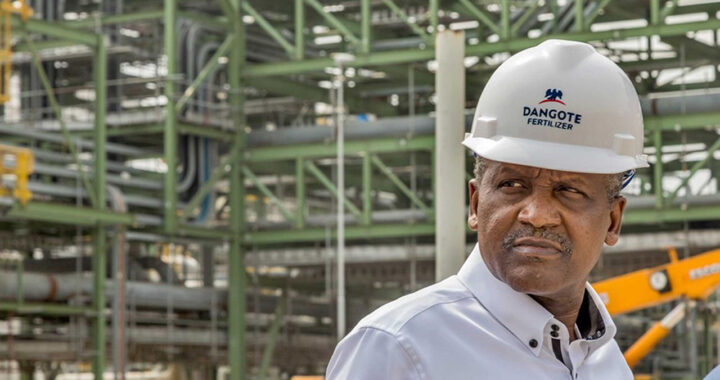 Dangote Refinery Raises Petrol Price Again To N1,350
  Counterfeit Dollars Trigger EFCC Probe After Kano Arrest
  Klopp Unveils 44-Man Germany Squad With 16 New Faces
  Lagos-Ibadan Expressway Gridlock Deepens As Kara Repairs Continue