
58 Years After Coup, Aguiyi-Ironsi’s Family Demands Apology, Compensation From FG
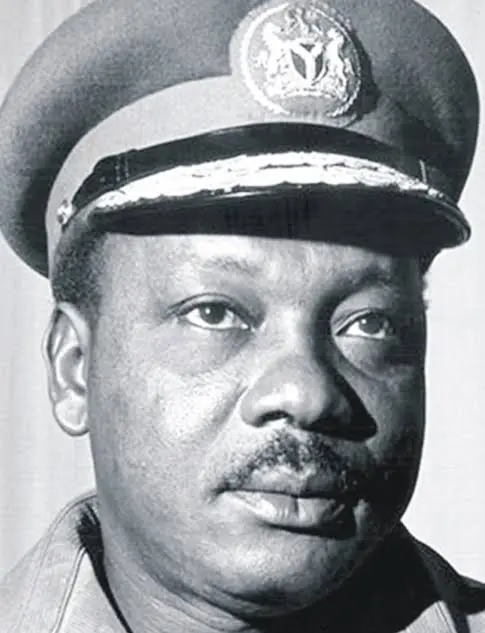
Nearly six decades after the assassination of Nigeria’s first military Head of State, Major General Johnson Thomas Umunnakwe Aguiyi-Ironsi, his family has renewed its demand for an official apology and compensation from the Federal Government over his death during the July 1966 counter-coup.
Speaking at a memorial event to mark 58 years since the former Head of State was killed, members of the Aguiyi-Ironsi family said successive governments had failed to properly recognise his contributions to Nigeria or address the circumstances surrounding his assassination. They argued that the continued silence had prolonged the pain suffered by the family.
The family maintained that their demand is not driven by politics but by a desire for justice, reconciliation and historical fairness. They insisted that an official apology from the Federal Government would acknowledge the sacrifices made by the late military leader and help bring closure to one of the country’s most painful political episodes.
In addition to the apology, the family called for adequate compensation, saying the death of Aguiyi-Ironsi caused lasting emotional and personal hardship. They also appealed to the government to preserve his legacy by giving greater recognition to his role in Nigeria’s history.
Aguiyi-Ironsi became Nigeria’s Head of State in January 1966 after the country’s first military coup. His administration was short-lived, lasting only a few months before he was overthrown in the July 1966 counter-coup, during which he and the then Military Governor of the Western Region, Lt. Col. Adekunle Fajuyi, were killed.
The family praised the courage shown by Fajuyi, who reportedly refused to abandon Aguiyi-Ironsi despite having the opportunity to save himself. They described his actions as a symbol of loyalty, sacrifice and national unity, urging Nigerians to continue honouring his memory alongside that of the late Head of State.
They also appealed to the Federal Government to ensure that future generations are taught accurate accounts of Nigeria’s political history, stressing that remembering the events of 1966 is important for national healing and to prevent similar crises in the future.
The renewed call comes as historians, political leaders and civil society groups continue to debate the impact of the 1966 coups on Nigeria’s political development and national unity. The family expressed hope that the government would finally address their demands and take steps toward recognising Aguiyi-Ironsi’s place in the country’s history.
 Senior EFCC Officer Faces Probe Over Abuse Of Office, Unexplained Wealth
  China Rejects Claims Of Helping Iran Target US Troops
 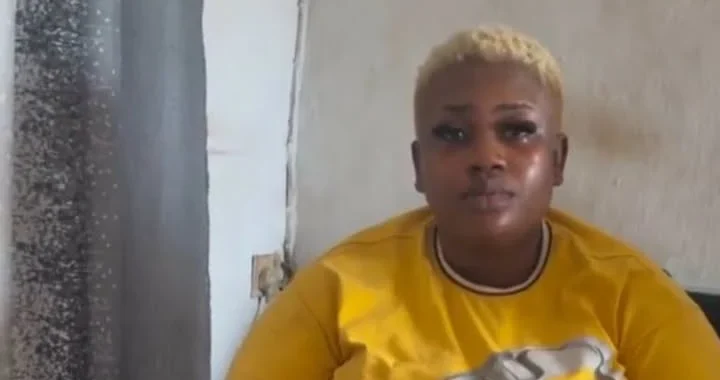 Anambra Mother Arrested After Husband Discovers Alleged Abuse
 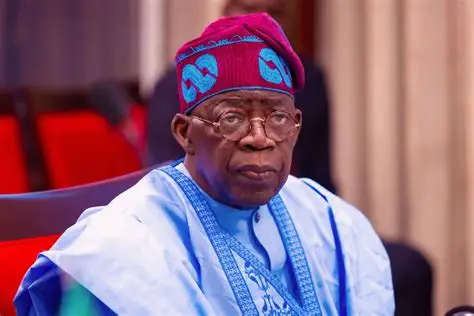 Tinubu Heads To Paris As European Vacation Continues
  Dangote Refinery Raises Petrol Price Again To N1,350
 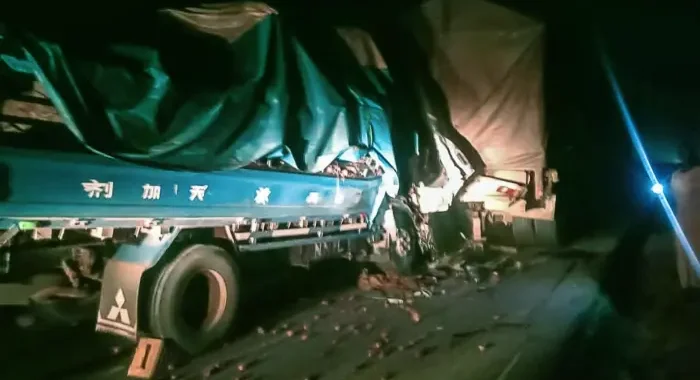 Four Killed In Lagos-Ibadan Expressway Crash
  Wike, APC Governors Clash Over 2027 Political Strategy
  Olu Jacobs Dies At 84, Leaving Behind A Lasting Acting Legacy
  Oluremi Tinubu Unveils ICT Centre At Kwara University