
Nigeria Activates Emergency Measures as Imported Ebola Case Triggers Contact Tracing in Abuja
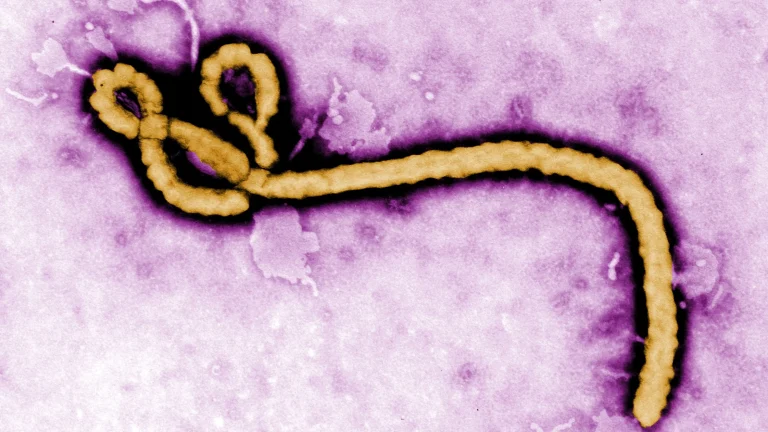
Nigeria has stepped up its public health response following the confirmation of an imported Ebola virus disease case in the Federal Capital Territory, Abuja, with health authorities identifying 44 contacts for monitoring to prevent further transmission.
The Federal Government confirmed the infection on Tuesday, October 20, 2026, after laboratory tests established that a woman who recently travelled to Nigeria from Uganda had contracted the disease. She is currently in isolation and receiving medical care.
The case has placed Nigeria’s disease surveillance and emergency response systems under renewed focus as officials work to establish the patient’s movements, identify people who may have been exposed and limit the possibility of further infections.
Minister of Health and Social Welfare, Professor Muhammad Ali Pate, said 44 contacts had been identified, including healthcare workers, patients, caregivers and people who may have travelled with the woman.
Contact tracing is continuing, with public health teams working to identify additional people who might have come into contact with the patient. Authorities have urged anyone contacted by surveillance teams to provide the requested information and comply with official health advice.
The woman reportedly developed symptoms on October 7 and sought treatment at a private hospital in Abuja on October 11. Her condition subsequently worsened, and laboratory tests confirmed the Ebola infection on October 20.
The interval between the onset of symptoms, the initial hospital visit and confirmation of the disease has made contact tracing a central part of the government’s response. Authorities are working to reconstruct the patient’s travel and exposure history to establish where she might have contracted the infection.
The Federal Ministry of Health and Social Welfare is coordinating the response with the Nigeria Centre for Disease Control and Prevention, the FCT Health Services Secretariat and other relevant authorities.
The private hospital where the woman received treatment is also receiving support to strengthen infection prevention and control measures. Healthcare facilities nationwide have been urged to remain vigilant, promptly isolate suspected cases and immediately report them to public health authorities.
The development comes amid a wider regional outbreak of Ebola Bundibugyo virus disease, which has affected several African countries. The Africa Centres for Disease Control and Prevention has called for urgent international assistance, including medical supplies, diagnostic capacity, trained personnel and additional funding to support containment efforts.
The World Health Organisation has identified Nigeria as the fifth country to detect the virus since the outbreak was declared in the Democratic Republic of the Congo on May 15, 2026. Investigations into the Nigerian patient’s likely source of infection remain ongoing.
Health authorities have urged Nigerians to remain calm while observing preventive measures. Ebola is transmitted primarily through direct contact with the blood or other body fluids of an infected person who has developed symptoms, or through contaminated materials.
Symptoms can include fever, severe weakness, headache, muscle pain, vomiting and diarrhoea. Anyone who develops symptoms after possible exposure should promptly contact public health authorities, disclose relevant travel or contact history and follow official instructions.
The government has also cautioned against spreading unverified information or stigmatising people who may have been exposed to the virus. Individuals identified during contact tracing are not necessarily infected; monitoring helps health officials determine whether exposure occurred and respond quickly if symptoms develop.
Nigeria’s experience in containing the 2014 Ebola outbreak has also been highlighted by the health minister as a basis for confidence in the country’s public health response. The government says surveillance, isolation arrangements, laboratory testing and contact tracing are being strengthened to contain the current case.
Members of the public seeking information or wishing to report suspected cases can contact the NCDC’s toll-free line on 6232, which operates around the clock, according to the health minister.
With 44 contacts already identified, the immediate priority remains tracing possible exposures, monitoring those at risk and preventing further transmission while investigations continue.
 Adun-ni Initiative Set to Launch in Lagos, Pledges Stronger Support for Sickle Cell Warriors
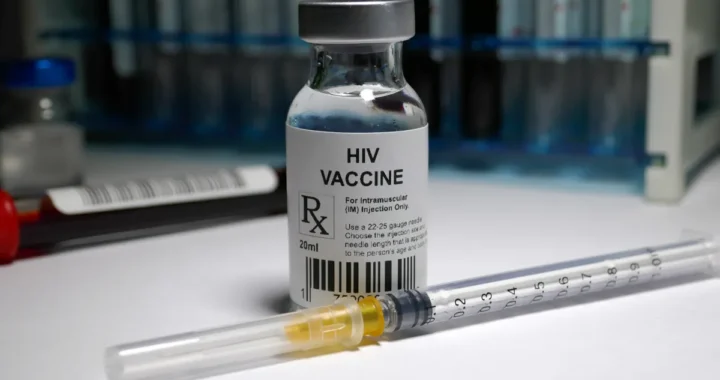 High Demand Leaves Anti-HIV Injection Out of Stock in Four States
 Tinubu Mourns Peter Onwubuariri, Presidential Media Aide Dies At 48
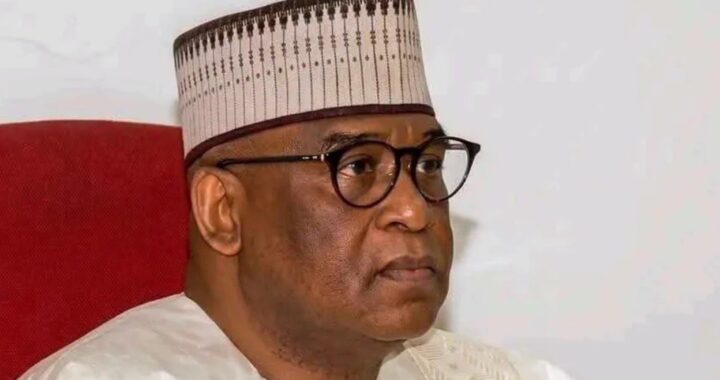 Former Katsina Senator Bello Mandiya Dies At 62
 Plateau Shuts All Schools as Diphtheria Outbreak Claims 23 Lives
 Former Guardian Editor Debo Adesina Battles Stroke in Canada, Family Seeks Help
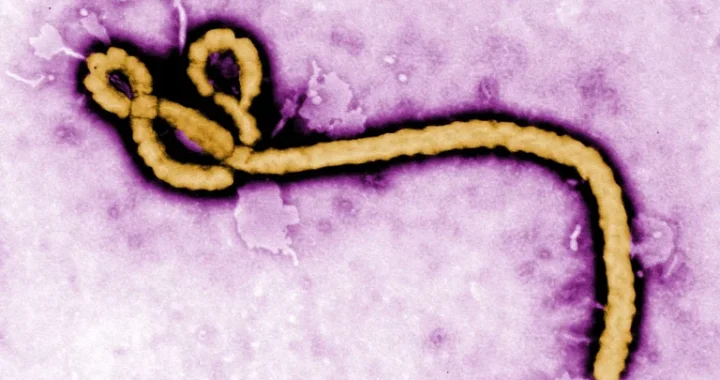 Nigeria Faces Rare Ebola Strain as Officials Intensify Efforts to Contain Abuja Case
 Prince Harry Signals Fresh Push for Royal Family Reconciliation
 NDLEA Uncovers Mexican Cartels’ Alleged Plan to Make Nigeria a Meth Production Hub