
High Demand Leaves Anti-HIV Injection Out of Stock in Four States
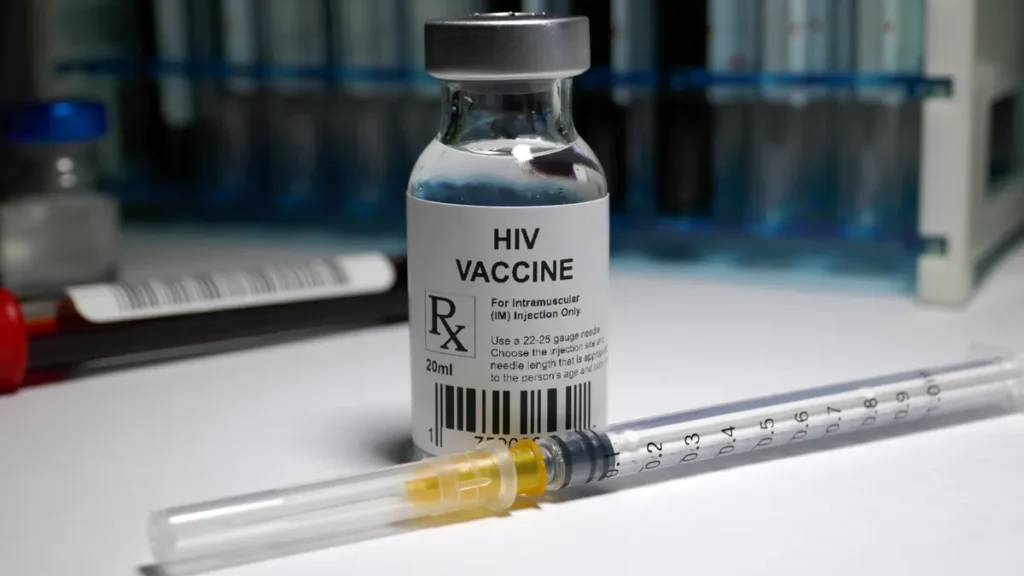
Growing demand for the twice-yearly HIV prevention injection, Lenacapavir, has exhausted available supplies in parts of Nigeria, with sex workers and other eligible people increasingly seeking the long-acting drug as an alternative to daily preventive pills.
Benue, Kwara, Gombe and Cross River are among states that have experienced stock-outs only months after the Federal Government began a pilot programme for the injection. Health officials, however, stressed that the shortages are occurring at particular locations and do not amount to a nationwide exhaustion of the drug.
Lenacapavir is a long-acting pre-exposure prophylaxis medicine used to reduce the risk of acquiring HIV. Unlike oral PrEP medicines that must be taken regularly, the injection is administered once every six months, making it an attractive option for people who may struggle with daily medication.
Nigeria received 11,520 doses on March 19, 2026, before distributing them five days later to pilot locations in Benue, Kwara, Akwa Ibom, Cross River, Gombe, Anambra, Ebonyi, Kano, Lagos and the Federal Capital Territory. The World Health Organisation recommended injectable Lenacapavir as an additional HIV prevention option in July 2025.
Benue has recorded particularly strong demand since the programme started there in May. State Commissioner for Health and Human Services, Dr Paul Ogwuche, said more than 2,000 HIV-negative people had received the injection before the initial allocation was exhausted. He said additional supplies were being processed and described the shortage as temporary rather than an end to the programme.
Kwara has also used up its initial allocation of more than 800 doses. State AIDS Programme Coordinator Muhammed Rasheed said authorities were expecting more than 1,000 additional doses and planned to expand availability to more health facilities when the new consignment arrived. Eligible recipients are screened to confirm that they are HIV-negative before receiving the injection.
In Cross River, health workers reported that demand increased significantly after an initially slow response caused partly by limited awareness and stigma. Some facilities in Calabar now have prospective recipients waiting for fresh supplies, with sex workers among those increasingly requesting the injection because of its privacy and convenience.
Health workers have advised people unable to obtain the injection to continue using approved oral PrEP rather than abandoning HIV prevention while waiting for new supplies. Lenacapavir is an additional prevention option and does not replace other established measures for reducing HIV transmission.
The National Agency for the Control of AIDS has linked some of the supply difficulties to logistics and funding constraints. NACA North-East Zonal Coordinator Dr John Tobias said reductions in programme funding had affected several interventions and explained that medicines could sometimes be available nationally but difficult to move to states because of distribution costs.
The experience differs sharply across the pilot states. While some locations have exhausted their allocations, Lagos health officials said they have sufficient supplies but are struggling with low uptake and are encouraging more eligible residents to use the programme.
Anambra also exhausted its initial allocation following strong demand but received a fresh consignment last week. Four centres in the state are involved in administering the injection, while some beneficiaries have preferred key-population facilities where access is free.
The contrasting experiences are providing health authorities with information on demand, storage, distribution, public awareness and the capacity of healthcare workers ahead of any broader national rollout. NACA said the current programme remains a pilot rather than a nationwide deployment.
For Nigeria’s HIV prevention programme, the early response presents both an opportunity and a challenge. The willingness of eligible people to embrace a twice-yearly injection could improve prevention options, but the shortages in some states show that reliable supply and distribution will be crucial if the programme is eventually expanded across the country.
 Tinubu Mourns Peter Onwubuariri, Presidential Media Aide Dies At 48
  Former Katsina Senator Bello Mandiya Dies At 62
  Plateau Shuts All Schools as Diphtheria Outbreak Claims 23 Lives
  Former Guardian Editor Debo Adesina Battles Stroke in Canada, Family Seeks Help
  Denmark, Sweden to issue digital vaccine ‘passports’
  Popular Lagos Socialite, Taoreed Farounbi ‘Baba Alado’, Is Dead
  Anthony Joshua Set for Reported £75m Payday Against Tyson Fury
  High Demand Leaves Anti-HIV Injection Out of Stock in Four States
  Otti Rules Out Presidency, Says He’ll Quit Politics After Governorship