
Lagos Backs Akiolu as Grassroots Support Grows Ahead of New Term

By Wellington Jopelo
In Lagos politics, where influence is often measured by visibility and political noise, Barrister Kayode Moshood Akiolu is building momentum through a different path—performance. As debates around representation begin to emerge, a growing number of constituents are pointing to his track record as justification for another term in office.
Born into the family of Rilwan Akiolu, the Oba of Lagos, Akiolu has consistently shown that his political journey is defined more by service than by heritage. Over the years, he has established himself as a leader whose relevance is grounded in accessibility, delivery, and grassroots connection.
A trained lawyer, Akiolu brings structure and discipline to governance. His approach is measured and deliberate, prioritising long-term solutions over short-term political gains. This method has shaped his style of representation and contributed to his growing credibility.
Representing Lagos Island II in the House of Representatives, he has built a reputation as a politician who listens. Constituents frequently describe him as approachable and responsive, a leader who takes time to understand their needs before implementing solutions.
Across communities such as Sangross, Tokunbo, Okekoko, Adeniji, Isale Eko, McCarthy, and the Brazilian Quarters, his performance continues to attract strong approval. His influence has also extended beyond his constituency, earning recognition across Lagos Central, East, and West.
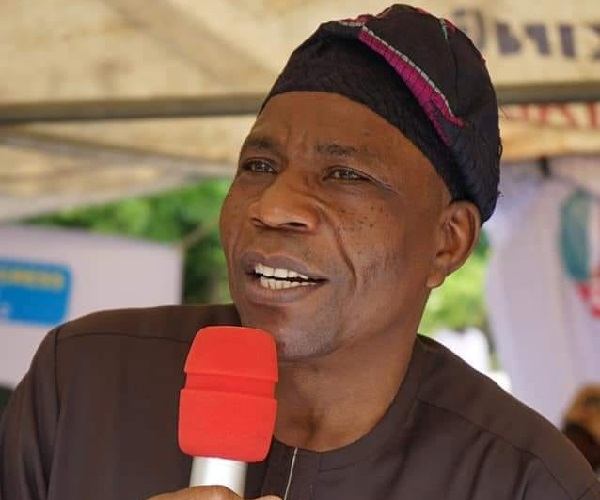
Residents widely rate his performance as excellent, noting that he has distinguished himself as a grassroots politician whose work is both visible and impactful. Many insist that he has worked tirelessly for his constituency and can be trusted to continue delivering results.
Investigations by the Royal Times show that Akiolu’s political strength goes beyond party affiliation or family background. Voters say they support him because he has reached areas that had long been neglected, bringing development and attention where it was previously lacking.
Education remains one of his strongest pillars. Through scholarships and support initiatives, he has helped many students gain access to quality education, easing financial burdens and creating opportunities for future success.
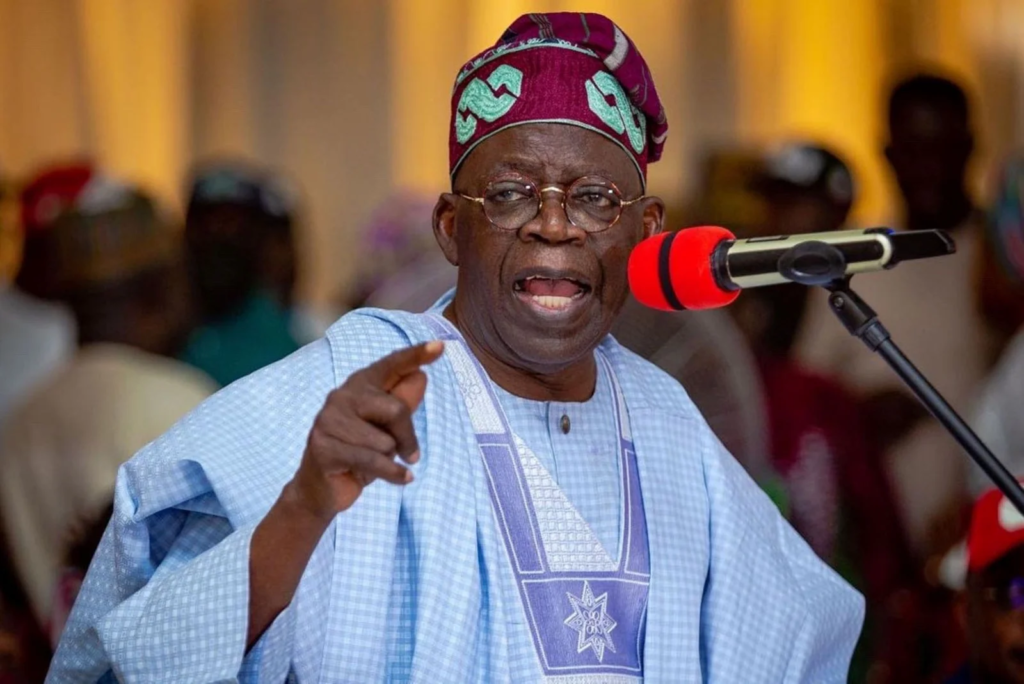
His focus on youth empowerment is equally significant. Through digital training and skill acquisition programmes, he has equipped young people with practical tools for economic growth. This has earned him strong backing among youths in Lagos Island, who see him as both accessible and impactful.
In healthcare, his low-profile outreach efforts have improved access to basic services for many residents. Though not heavily publicised, these initiatives continue to make a meaningful difference at the community level.
Within the All Progressives Congress, Akiolu is regarded as disciplined and reliable. However, his appeal extends beyond party structures. In a state where many voters align with the APC due to the influence of Bola Ahmed Tinubu, he stands out as a candidate who attracts support based on performance rather than party loyalty alone.
His identity as a Lagos indigene from both paternal and maternal sides further strengthens his connection with the people, reinforcing his acceptance across different communities.
There is also increasing discussion around his future in Lagos politics. Some observers believe that if conversations about the governorship arise, his name would likely feature among credible contenders. His leadership style has even drawn comparisons with former governor Babatunde Fashola, particularly in terms of discipline and governance approach.
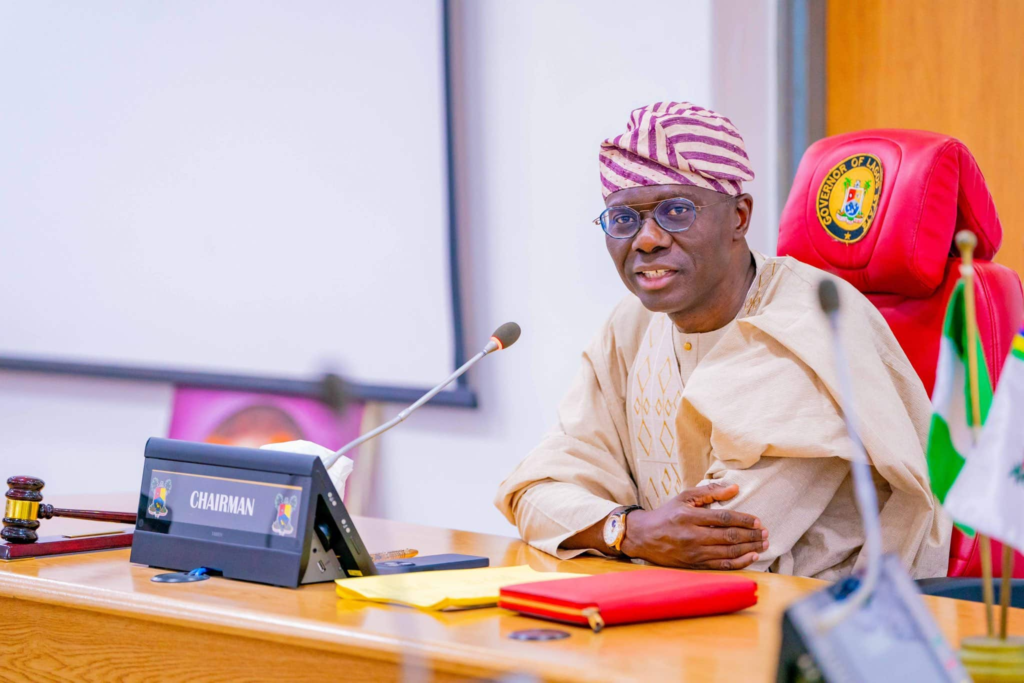
Despite this rising profile, many constituents argue that continuity remains essential. They believe another term would allow him to consolidate existing projects, expand ongoing programmes, and deepen his impact across Lagos Island II.
For supporters, the argument is straightforward: leadership should be judged by results. In Akiolu’s case, they point to consistent delivery across education, youth empowerment, healthcare, and grassroots engagement as clear evidence.
As Lagos continues to evolve, Akiolu’s steady rise reflects a broader shift in political expectations—where performance, connection, and impact are increasingly valued over noise. For many of his constituents, giving him another term is not just support for a politician, but an endorsement of a leadership style that is already delivering.
In Lagos politics, where influence is often measured by visibility and political noise, Kayode Moshood Akiolu is building momentum through a different path—performance. As debates around representation begin to emerge, a growing number of constituents are pointing to his track record as justification for another term in office.
Born into the family of Rilwan Akiolu, the Oba of Lagos, Akiolu has consistently shown that his political journey is defined more by service than by heritage. Over the years, he has established himself as a leader whose relevance is grounded in accessibility, delivery, and grassroots connection.
A trained lawyer, Akiolu brings structure and discipline to governance. His approach is measured and deliberate, prioritising long-term solutions over short-term political gains. This method has shaped his style of representation and contributed to his growing credibility.
Representing Lagos Island II in the House of Representatives, he has built a reputation as a politician who listens. Constituents frequently describe him as approachable and responsive, a leader who takes time to understand their needs before implementing solutions.
Across communities such as Sangross, Tokunbo, Okekoko, Adeniji, Isale Eko, McCarthy, and the Brazilian Quarters, his performance continues to attract strong approval. His influence has also extended beyond his constituency, earning recognition across Lagos Central, East, and West.
Residents widely rate his performance as excellent, noting that he has distinguished himself as a grassroots politician whose work is both visible and impactful. Many insist that he has worked tirelessly for his constituency and can be trusted to continue delivering results.
Investigations by the Royal Times show that Akiolu’s political strength goes beyond party affiliation or family background. Voters say they support him because he has reached areas that had long been neglected, bringing development and attention where it was previously lacking.
Education remains one of his strongest pillars. Through scholarships and support initiatives, he has helped many students gain access to quality education, easing financial burdens and creating opportunities for future success.
His focus on youth empowerment is equally significant. Through digital training and skill acquisition programmes, he has equipped young people with practical tools for economic growth. This has earned him strong backing among youths in Lagos Island, who see him as both accessible and impactful.
In healthcare, his low-profile outreach efforts have improved access to basic services for many residents. Though not heavily publicised, these initiatives continue to make a meaningful difference at the community level.
Within the All Progressives Congress, Akiolu is regarded as disciplined and reliable. However, his appeal extends beyond party structures. In a state where many voters align with the APC due to the influence of Bola Ahmed Tinubu, he stands out as a candidate who attracts support based on performance rather than party loyalty alone.
His identity as a Lagos indigene from both paternal and maternal sides further strengthens his connection with the people, reinforcing his acceptance across different communities.
There is also increasing discussion around his future in Lagos politics. Some observers believe that if conversations about the governorship arise, his name would likely feature among credible contenders. His leadership style has even drawn comparisons with former governor Babatunde Fashola, particularly in terms of discipline and governance approach.
Despite this rising profile, many constituents argue that continuity remains essential. They believe another term would allow him to consolidate existing projects, expand ongoing programmes, and deepen his impact across Lagos Island II.
For supporters, the argument is straightforward: leadership should be judged by results. In Akiolu’s case, they point to consistent delivery across education, youth empowerment, healthcare, and grassroots engagement as clear evidence.
As Lagos continues to evolve, Akiolu’s steady rise reflects a broader shift in political expectations—where performance, connection, and impact are increasingly valued over noise. For many of his constituents, giving him another term is not just support for a politician, but an endorsement of a leadership style that is already delivering.