
World Bank Report Highlights Nigeria’s Economic Recovery, but Living Standards Remain Key Test
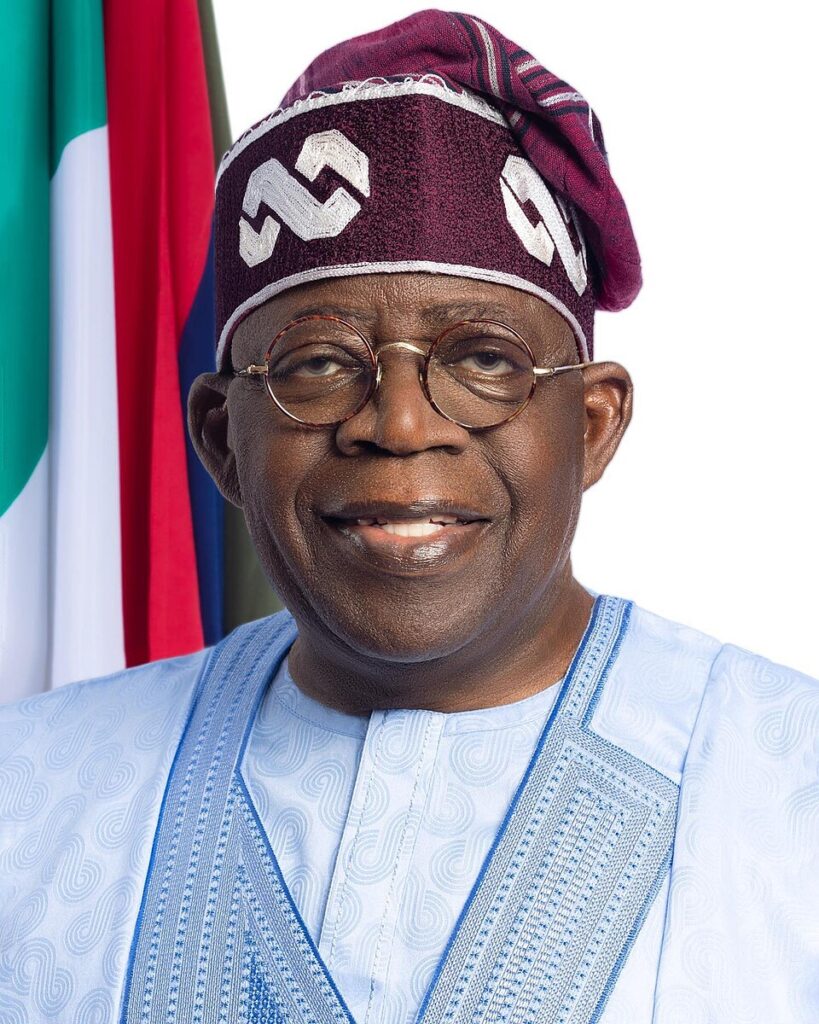
President Bola Tinubu has welcomed the World Bank’s latest assessment of Nigeria’s economy, citing improved growth, stronger public revenues and a stabilisation in poverty levels as evidence that his administration’s economic reforms are beginning to yield results.
The President’s reaction followed the release of the World Bank’s October 2026 Nigeria Development Update, titled Beyond the Federal Purse: How Higher Revenues Reshaped State Priorities. The report examined the impact of economic reforms introduced since 2023, particularly on government revenue, state spending and the country’s broader economic performance.
According to the report, Nigeria’s economy grew by 4.2 per cent in the first half of 2026, compared with 3.9 per cent during the corresponding period in 2025. The World Bank attributed the improvement largely to the services sector, alongside a stronger contribution from agriculture.
The institution also reported that the country’s poverty rate had stabilised for the first time since 2019. However, it projected that poverty would decline gradually only if economic growth continued to outpace population growth and the government sustained reforms while improving public service delivery.
Tinubu described the findings as confirmation that the difficult decisions taken by his administration were helping to stabilise the economy. These include the removal of the petrol subsidy, the unification of the foreign exchange market and measures aimed at strengthening fiscal discipline.
The World Bank projected that Nigeria’s economy could grow by an average of 4.4 per cent annually between 2026 and 2028. It also expects inflation to ease to about 12 per cent by 2028, although higher global fuel prices linked to the conflict in the Middle East have slowed the decline in domestic prices.
The report showed that inflation fell from 27.6 per cent in January 2025 to 15.2 per cent in December 2025. While the reduction represents progress in slowing price increases, the continued pressure on household budgets means that many Nigerians are still waiting for economic improvements to translate into more affordable food, transport and other basic necessities.
Nigeria’s external financial position also improved during the period under review. The current account surplus increased to $12 billion in the first half of 2026, compared with $8.6 billion in the corresponding period a year earlier. Gross external reserves also rose from $45.5 billion at the end of 2025 to $53.8 billion at the end of August 2026.
Beyond the national economic figures, the World Bank highlighted the effect of increased government revenue on state finances. It said reforms implemented since 2023 contributed to a 69 per cent increase in federation revenues in real terms between 2023 and 2025, with state governments emerging as the largest beneficiaries.
The additional funds gave states greater capacity to invest in infrastructure and other development projects. According to the report, states increased capital spending by 151 per cent in real terms over the period, with much of the expenditure directed towards roads and other transport infrastructure, agriculture, energy and housing.
Twenty-nine of 33 states covered in the report shifted spending towards economic infrastructure. The World Bank also found that internally generated revenue increased in real terms in 31 of 35 states, while 21 states reduced their debt-to-GDP ratios between 2021 and 2025.
The findings suggest that the impact of economic reforms extends beyond the Federal Government, with state administrations receiving additional resources to finance development priorities. However, the World Bank stressed that increased revenue alone would not guarantee improved living conditions unless governments spend the funds efficiently and strengthen accountability.
The report noted that spending on education, healthcare and social protection also increased, although investment in economic infrastructure grew more rapidly. This raises the importance of ensuring that improved public finances translate into better schools, accessible healthcare, reliable water supply and stronger social protection for vulnerable households.
Tinubu acknowledged that more work remained to be done, particularly in reducing food prices, creating decent jobs for young Nigerians and ensuring that economic progress benefits households across the country. He also pledged to expand targeted cash transfers, accelerate the rollout of compressed natural gas, improve agricultural productivity and strengthen access to healthcare and quality education.
The President urged state governments to manage their increased revenues prudently and prioritise projects capable of improving residents’ living standards. He also commended the Economic Management Team, state governors and other stakeholders for their role in implementing the reforms.
While the World Bank’s assessment points to improvements in economic growth, government revenue and external reserves, it also places responsibility on all levels of government to ensure that these gains lead to meaningful improvements in everyday life.
The central challenge for the Tinubu administration will therefore be sustaining economic stability while making the benefits more visible to Nigerians through lower living costs, employment opportunities, improved public services and a gradual reduction in poverty.
 Olugbenga Ajala Becomes SAN with 68 others
  CJN Warns Judges Against Political Bias, Forum Shopping Ahead of 2027 Elections
 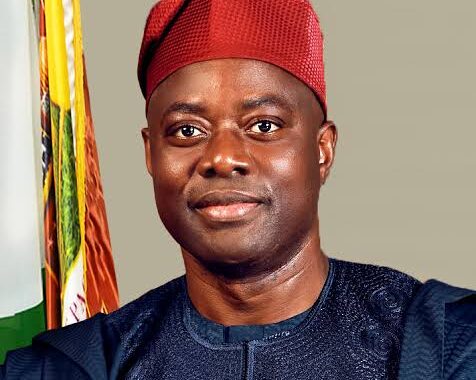 Makinde’s Inner Circle Faces Fresh Shake-Up as Chief of Staff Segun Ogunwuyi Resigns
 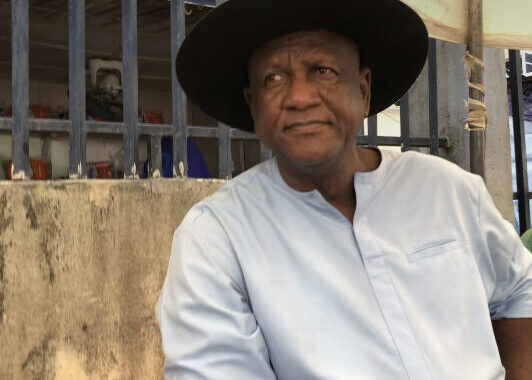 Chief Akinfolabi Akindele Honoured by Ansar-Ud-Deen Society
  2027 Election: Missing Candidates, Party Disputes Raise Questions Over INEC List
  Adun-ni Initiative Set to Launch in Lagos, Pledges Stronger Support for Sickle Cell Warriors