
Nigeria’s Power Supply Plunges as Grid Disruption Knocks Major Plants Offline
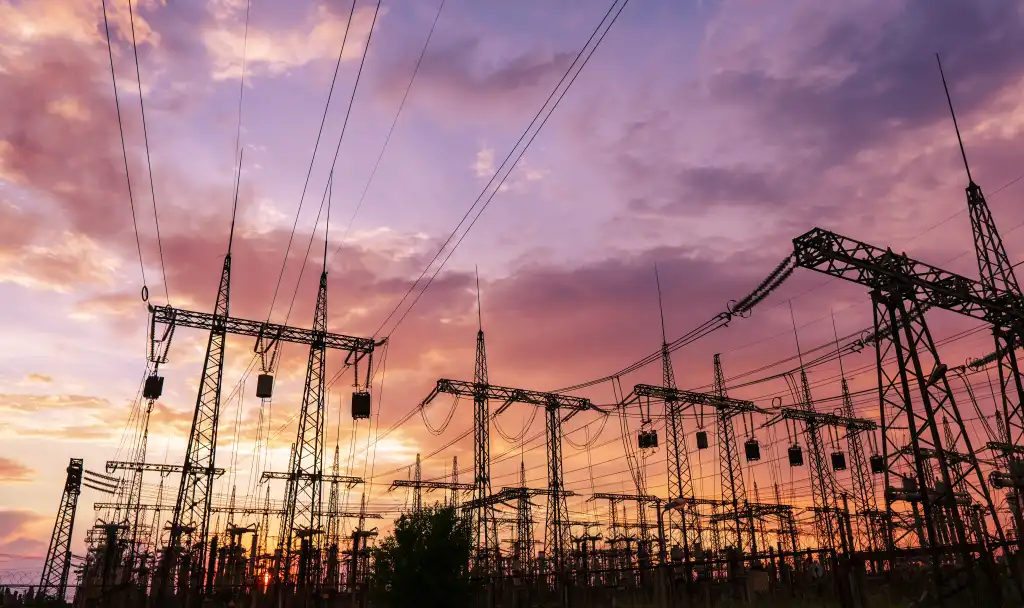
Nigeria’s electricity supply suffered a sharp decline on Monday after a disturbance on the national grid caused a steep drop in power generation, leaving distribution companies struggling with reduced allocations to customers.
Generation fell from 3,647 megawatts at noon to 675MW by 1pm on October 19, representing a drop of about 81.5 per cent within an hour. The decline followed the disconnection of several generating plants from the grid, including major stations such as Azura, Egbin, Jebba and Kainji.
The incident triggered concerns among electricity consumers, as distribution companies, including Abuja Electricity Distribution Company and Ikeja Electric, issued notices warning of reduced supply. AEDC attributed the interruption to a grid-related challenge, while Ikeja Electric said the volume of electricity allocated to its network had fallen.
The decline was particularly steep because the grid had recorded 4,458MW at 6am on Monday before generation fell to 3,647MW by noon. By 1pm, output had dropped by 2,972MW in just one hour, highlighting how quickly a disturbance affecting generating stations and transmission infrastructure can reduce electricity available to homes and businesses.
Among the major plants reported to have gone offline were Azura, Egbin, Jebba and Kainji. Their interruption contributed to the sharp fall in supply, although the system operator attributed the incident to multiple trippings on the 330-kilovolt transmission network.
The Nigerian Independent System Operator (NISO) said the incident occurred at approximately 12:40pm on October 19. It stated that corrective measures were implemented in collaboration with the Transmission Company of Nigeria to stabilise the system and restore normal operations.
Although electricity generation later recovered to 2,150MW by 5pm, the level remained substantially below the morning peak. The recovery indicated an improvement from the midday low but also showed the scale of the disruption experienced during the incident.
NISO subsequently clarified that the disturbance affected only a section of the national grid and said restoration efforts had been completed. The operator urged the public to rely on official updates rather than unverified reports about the state of the power system.
The episode has renewed attention on the reliability of Nigeria’s electricity supply and the consequences of sudden generation losses. When available power drops sharply, distribution companies have less electricity to share among their customers, potentially affecting households, commercial activities and businesses that depend on a stable supply.
For many businesses, reduced electricity supply can increase operating costs as they turn to generators or alternative power sources. Households may also face longer interruptions, depending on the amount of electricity allocated to their distribution networks.
While the grid was reported to have returned to normal operation, the incident underscores the importance of preventing repeated transmission disturbances and ensuring that generating stations can maintain stable output. Sustained improvements in generation, transmission and system coordination remain central to delivering more reliable electricity to consumers across Nigeria.
 Fasoranti: A Century of Service, From Awolowo’s Political School to Afenifere Leadership
 After 40 Years Apart, Fatai Okoya Makes Emotional Plea to Reunite With Billionaire Father
 Osun Police Hunt NURTW Chiefs Over Killing of ‘Emir’
 NLC Holds Firm on Strike Threat as Petrol Prices and Wage Dispute Deepen
 BREAKING: Court Of Appeal Sets Up Special Panel To Hear Cases Pending For Up To 40 Years
 NAFDAC Uncovers Suspected ₦500m Fake Alcohol Factory in Aba, Operator Flees
 Ten Hag Reveals Training Rift With Ronaldo
 Nigeria’s Power Supply Plunges as Grid Disruption Knocks Major Plants Offline