
El-Rufai Demands ₦10bn as Detention Dispute Takes New Turn
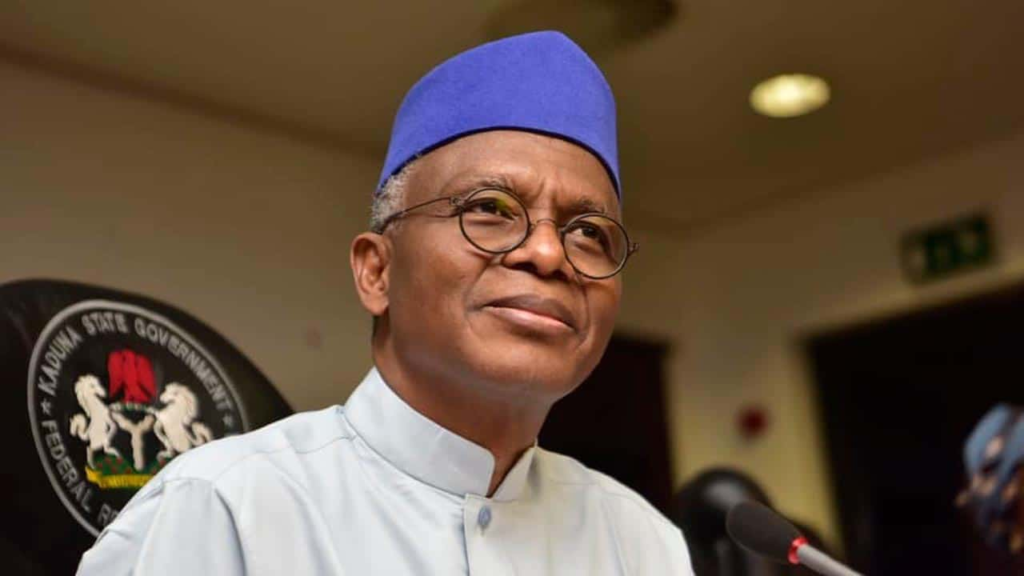
Former Kaduna State Governor, Nasir El-Rufai, has taken his disagreement with the Independent Corrupt Practices and Other Related Offences Commission to a new level, asking the Federal High Court in Abuja to award him ₦10 billion over the alleged violation of his fundamental rights while in detention.
El-Rufai is also seeking an order compelling the ICPC to grant him reasonable access to his family members, lawyers and other persons entitled to visit him.
The suit, marked FHC/ABJ/CS/1852/2026, was filed on August 13, 2026, with the ICPC, its chairman and the Attorney-General of the Federation listed as respondents.
At the centre of the case is El-Rufai’s allegation that his wife, Aichatou Asabe, and his son, Abba El-Rufai, were prevented from seeing him while he was being held by the anti-corruption agency.
He also alleged that his family members were restrained and intimidated by ICPC officials during an incident said to have occurred on July 7, 2026.
Through his lawyer, Ubong Akpan, the former governor is seeking nine reliefs from the court, arguing that the restrictions placed on him violated his rights to dignity and private and family life.
El-Rufai further claimed that denying him access to his family made it difficult for them to provide him with food, medication, clothing and other personal necessities while in custody.
An affidavit supporting the application was deposed to by his Principal Secretary, Mohammed Shaba, who stated that El-Rufai’s family had previously assisted in providing for his personal needs during his detention.
The former governor is also relying on an earlier order of the Federal High Court in Kaduna, delivered on April 1, 2026, by Justice R. M. Aikawa, which provided for access to legal representatives and personal doctors where necessary.
With the fresh suit, El-Rufai is asking the Abuja court not only to address the issue of access to his family but also to hold the ICPC accountable for what he considers an unlawful restriction of his rights, with a ₦10 billion compensation now at the centre of the legal battle.
 FG Declares Thursday Public Holiday for Nigeria’s 66th Independence Anniversary
 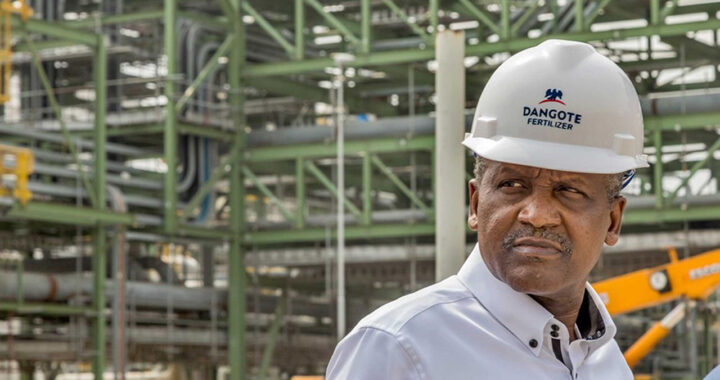 Dangote Says Ready To Face Legal Battles Over Fuel Imports
  Olumoye Royal Family Sues Lagos Government, Traditional Rulers Over Tiye Land
  Nigerian Woman Faces US Court Over Illegal Voting Allegations
  Senior EFCC Officer Faces Probe Over Abuse Of Office, Unexplained Wealth
  China Rejects Claims Of Helping Iran Target US Troops
  FG’s Petrol Discount Faces Fresh Test as Critics Question Real Impact on Nigerians
  MTN Outage Hits Five States, Leaves Customers Waiting for Service Restoration
 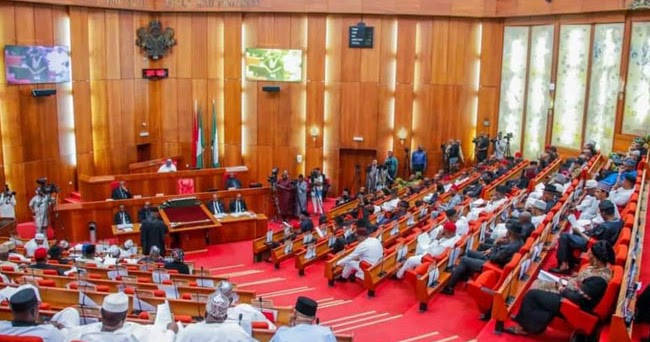 Reps Move to Protect NELFUND Benefits as Institutions Face Sanctions
  FG Targets Transport Costs With 30-Day Petrol Discount at NNPC Stations