
Reps Move to Protect NELFUND Benefits as Institutions Face Sanctions
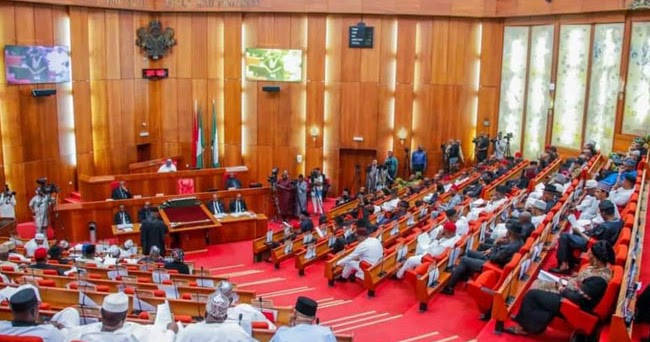
The House of Representatives has warned tertiary institutions that they could lose access to the Nigerian Education Loan Fund scheme if they fail to properly manage funds released for eligible students.
The warning came from the House Committee on Student Loans, Scholarships and Higher Education Financing following concerns that some beneficiary institutions were withholding NELFUND funds, delaying refunds and failing to fully return money to students who had already paid their tuition fees before the loan disbursements.
The committee, chaired by Hon. Ifeoluwa Ehindero, said its recent monitoring activities and engagements with stakeholders had shown that some institutions were not fully complying with the rules guiding the student loan scheme.
According to the committee, some schools received funds from NELFUND on behalf of verified students but failed to promptly apply the money for its intended purpose. In other cases, students who had already paid their tuition before NELFUND released funds were reportedly left waiting for refunds.
The committee also raised concerns over cases where eligible students received only part of the money due to them, describing such practices as serious compliance issues that could weaken confidence in the student loan programme.
The lawmakers warned that prolonged delays in refunds and the processing of payment notifications could create additional financial pressure for students and potentially interfere with their academic progress.
The latest position of the House places greater attention on what happens to NELFUND funds after they reach tertiary institutions. While the student loan programme is designed to help students meet the cost of higher education, the committee said institutions must ensure that money meant for beneficiaries is properly accounted for and reaches the students entitled to it.
The committee therefore directed the heads of beneficiary institutions to ensure that bursars, information and communication technology directors and NELFUND desk officers strictly follow the financial requirements governing the scheme.
It also directed institutions to ensure that funds received on behalf of students are promptly and fully applied for their intended purpose, including issuing refunds where students had already paid their tuition fees.
The lawmakers warned that institutions found to have deliberately violated the guidelines could face sanctions under Section 5.6 of the NELFUND Guidelines.
The possible sanctions include suspension of offending institutions from the student loan scheme, recovery of funds and referral of cases to relevant law enforcement and regulatory agencies.
The warning comes as the Federal Government continues to expand the student loan programme as a means of helping Nigerians gain access to higher education without allowing inability to pay tuition fees to prevent eligible students from attending tertiary institutions.
The House has previously raised concerns about the management of the scheme, including allegations of delayed disbursements, irregularities and poor handling of funds. In July 2025, the House began an investigation into alleged fund diversion, non-compliance and other practices surrounding the student loan programme.
The latest action, however, puts the focus directly on beneficiary institutions and their responsibility after receiving NELFUND payments.
The committee said its objective was not to frustrate institutions or the student loan programme but to ensure that the Federal Government’s support reaches the students for whom it was provided.
The lawmakers also stressed the importance of transparency and accountability in the administration of the scheme, warning that failure to enforce the rules could undermine public confidence in a programme intended to widen access to higher education.
For students who have already paid their tuition fees before NELFUND disbursements, the issue of refunds remains particularly important. A delay in returning such money can leave students and their families financially stretched even though funding for the same students has already been released.
The committee said it would continue its oversight activities and take action where deliberate violations are established.
The warning means tertiary institutions participating in the NELFUND scheme now face greater scrutiny over how they receive, account for and distribute student loan funds.
For the lawmakers, the central issue is ensuring that money approved for students does not become trapped within institutional processes or get handled in ways that deny beneficiaries the full benefit of the Federal Government’s student financing programme.
 MTN Outage Hits Five States, Leaves Customers Waiting for Service Restoration
  FG Targets Transport Costs With 30-Day Petrol Discount at NNPC Stations
  Amnesty Challenges Madonna University Sanctions, Seeks Second Chance for Nursing Students
  Army Converts Old Oyo National Park Into Training Ground After School Abduction
  FG Tightens Grip on Federal Projects, Contractors Face EFCC, ICPC Probe
  Ondo NAF Crash: Recovery Operation Intensifies as Air Force Begins Probe