
El Niño: What Nigerians Should Expect
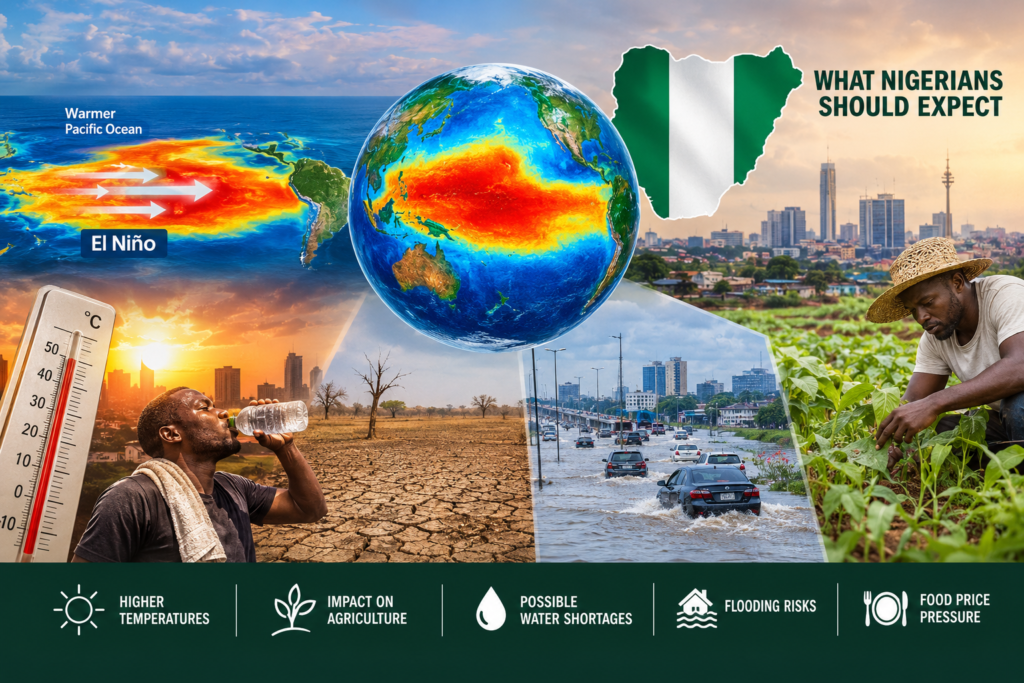
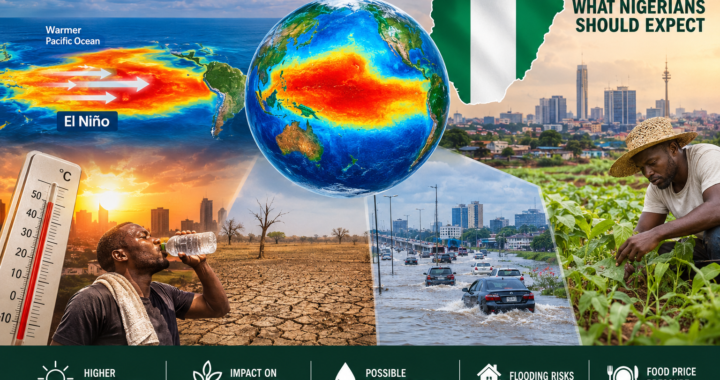
El Niño, a climate phenomenon associated with unusually warm temperatures in the central and eastern Pacific Ocean, is drawing attention because of its potential to influence weather patterns across the world.
The phenomenon occurs when ocean temperatures rise above normal levels, affecting winds, rainfall and atmospheric circulation. Its effects vary from one region to another and can include heatwaves, droughts or unusually heavy rainfall.
For Nigeria, the development raises questions about possible changes in temperature, rainfall patterns, farming activities and water availability. However, El Niño does not automatically mean that the entire country will experience drought or extreme heat.
Rising temperatures could increase discomfort, particularly among outdoor workers, farmers, traders and people who spend long hours in poorly ventilated environments. Nigerians are advised to stay hydrated, seek shade when possible and avoid unnecessary exposure to intense heat.
Agriculture is another area that could be affected by changing weather conditions. Irregular rainfall or prolonged dry spells may disrupt planting schedules, reduce soil moisture and affect crop development, especially for farmers who depend largely on rainfall.
Changes in agricultural production could also place pressure on food supplies and prices. If harvests decline in affected areas, households may face higher costs for certain food items, although actual price movements will also depend on transportation, storage, market conditions and other economic factors.
Water availability is another concern during periods of unusually hot weather or reduced rainfall. Communities that depend on streams, shallow wells and other vulnerable water sources may need to manage supplies carefully if local conditions become drier than usual.
The phenomenon should not, however, be viewed solely as a drought warning. Some areas may experience intense rainfall or flooding, depending on regional weather systems. Residents should therefore pay attention to local forecasts rather than assume that every part of Nigeria will experience the same conditions.
The Nigerian Meteorological Agency (NiMet) remains an important source of information on expected rainfall, temperature changes and seasonal weather risks. Farmers, state governments, emergency agencies and households can use official forecasts to prepare for possible disruptions.
Although El Niño can influence global climate patterns, its precise effects on Nigeria cannot be determined from the phenomenon alone. Nigerians are encouraged to follow official weather advisories, conserve water where necessary, protect crops and livestock, and take precautions during periods of extreme heat or heavy rainfall.
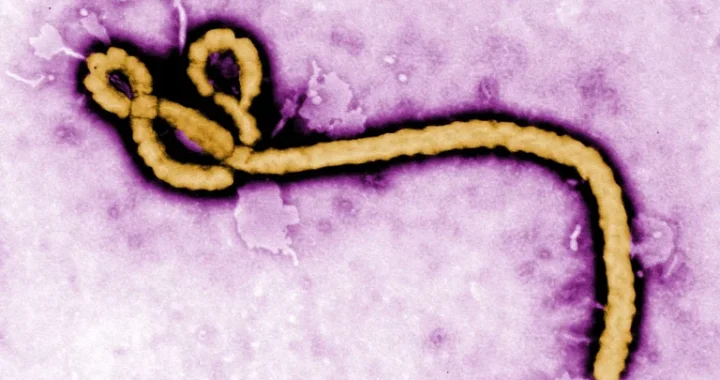 Ebola Alert: Nigeria Steps Up Emergency Preparedness as Infected Diplomat Battles Critical Complications
 Adun-ni Initiative Set to Launch in Lagos, Pledges Stronger Support for Sickle Cell Warriors
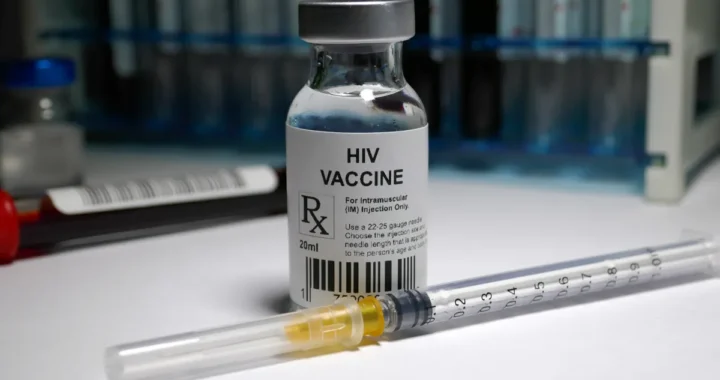 High Demand Leaves Anti-HIV Injection Out of Stock in Four States
 Tinubu Mourns Peter Onwubuariri, Presidential Media Aide Dies At 48
 Former Katsina Senator Bello Mandiya Dies At 62
 El Niño: What Nigerians Should Expect
 NAFDAC Finds Over 100 Sacks of Bottles in Lagos Building
 Iyaniwura Urges Senate to Impose Life Sentence on Counterfeiters
 Obasanjo Accuses Tinubu Of Deepening Poverty