
El-Rufai Denies Allegations as Court Takes Up Fresh Wiretapping Charges
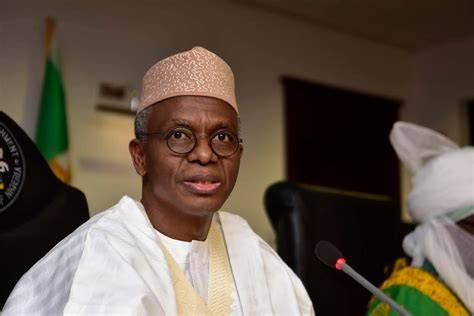
By Wellington Jopelo
Former Kaduna State Governor, Nasir El-Rufai, has pleaded not guilty after the Federal Government expanded the criminal case against him to include fresh allegations linked to national security and classified information.
The amended charge, filed at the Federal High Court in Abuja, replaces an earlier three-count case with a more detailed five-count charge that introduces new accusations beyond alleged interception of communications.
At Thursday’s arraignment, the former governor was formally read the revised charges and entered a plea of not guilty before Justice Joyce Abdulmalik.
Prosecutors from the Department of State Services told the court that the updated charges now include allegations of interference with critical national communication systems and unauthorised access to classified material.
One of the key counts accuses El-Rufai of unlawfully interfering with communications linked to the National Security Adviser, Nuhu Ribadu, describing it as part of protected national infrastructure.
Another count alleges that he accessed sensitive classified information without approval, including details tied to official security operations and detention orders.
The prosecution also maintained earlier allegations relating to interception of communications and actions said to have threatened public safety and national security.
El-Rufai’s legal team did not oppose the filing of the amended charges but has filed motions challenging aspects of the case, including requests to strike out the new charges entirely.
During proceedings, the defence also raised concerns over access to evidence and the fairness of trial procedures, while opposing efforts to protect the identities of certain prosecution witnesses.
The prosecution, however, insisted that witness protection measures were necessary due to security risks linked to the case.
Separate bail applications filed by the former governor were rejected by a Kaduna State High Court, which ruled that the seriousness of the allegations and risk of interference outweighed his request for release.
The court ordered that he remain in custody while the case proceeds on an accelerated hearing schedule set for May 2026.
With both sides preparing for full trial arguments, the case has now shifted into a more complex legal battle involving national security claims and constitutional rights debates.