
Tinubu Receives Proposed $14bn UN Budget as Nigeria Takes Centre Stage in Global Financial Affairs
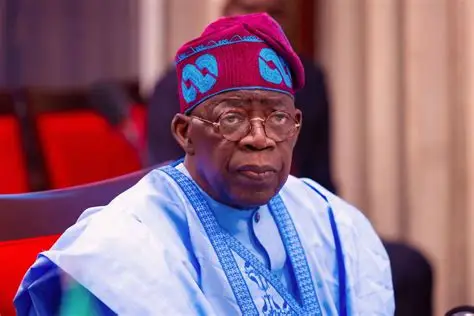
President Bola Tinubu has received the proposed 2027 United Nations budget from Nigeria’s Permanent Representative to the global body, Ambassador Jimoh Ibrahim, in a development highlighting the country’s involvement in the organisation’s budgetary and administrative processes.
Ibrahim presented the seven-volume document to Tinubu at the State House in Abuja after the proposal was submitted through the UN’s budgetary process. He chairs the UN General Assembly’s Fifth Committee, which handles administrative and budgetary matters.
The Nigerian envoy described the presentation as historic, saying it was the first time in 66 years that a Nigerian president had received the proposed UN budget through this process.
The proposal covers the organisation’s regular operations and peacekeeping activities. Ibrahim cited approximately $3.4 billion for the regular budget and $8.5 billion for peacekeeping, while putting the overall figure at about $14 billion. However, the two figures add up to $11.9 billion, leaving a discrepancy that requires clarification.
The budget has not received final approval. It remains subject to scrutiny, negotiations and approval by UN member states before spending can commence.
Ibrahim said the presentation reflected Nigeria’s position within the United Nations’ financial and administrative structure. However, he did not specify the direct benefits Nigeria would receive from the proposed budget, noting that discussions among member states were ongoing.
The development comes as Nigeria assumes a prominent role in the UN’s budgetary affairs through Ibrahim’s chairmanship of the Fifth Committee. The committee’s work includes examining the organisation’s financial requirements and administrative priorities.
The significance of the presentation therefore extends beyond the ceremonial handover of the document. It draws attention to Nigeria’s participation in decisions concerning how the United Nations funds its operations and peacekeeping responsibilities.
Whether this increased involvement will translate into measurable benefits for Nigeria will depend on the outcomes of the ongoing negotiations, the country’s engagement with other member states and the final decisions taken on the proposed budget.
 Uduaghan Dies at 71, Three Days Before 72nd Birthday
 NLNG Dividend Dispute Deepens as Makinde Demands Records of Payments to States
 FG Challenges World Bank’s Debt Assessment, Cites 72% Revenue Growth
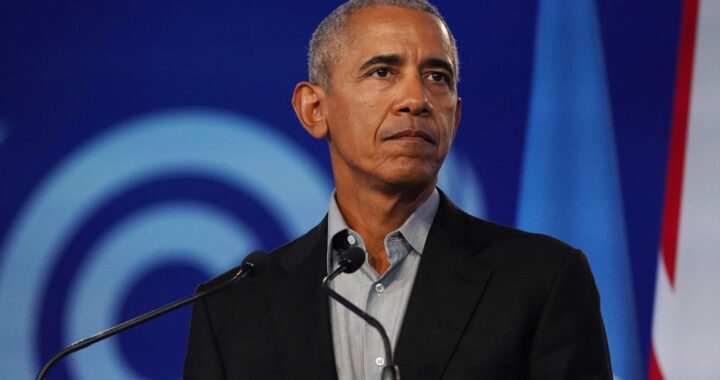 Obama Challenges Trump Administration Over Probe Into Ilhan Omar’s Citizenship
 INEC Begins 2027 Election Preparations to Prevent Voting Delays
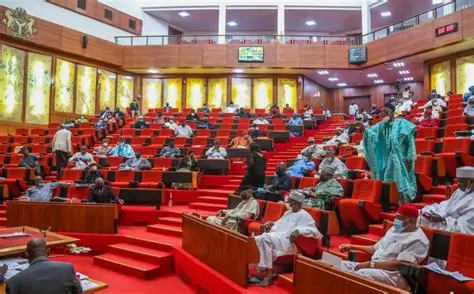 State Police Plan Faces Delay as 31 Assemblies Remain Undecided