
State Police Plan Faces Delay as 31 Assemblies Remain Undecided
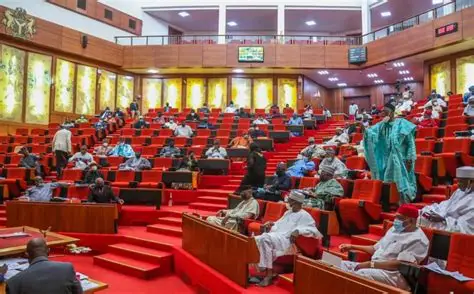
Nigeria’s plan to establish state police faces a major hurdle, with only five of the country’s 36 State Houses of Assembly approving the proposed constitutional amendment as the October 16 deadline approaches.
The assemblies in Edo, Osun, Oyo, Rivers and Zamfara have endorsed the proposal, while the remaining 31 states have yet to give their final approval or rejection. The slow progress leaves the plan far short of the constitutional requirement needed to move it forward.
The National Assembly transmitted the bill to all state legislatures on September 16, asking them to communicate their positions within 30 days. The proposal seeks to allow states to establish and operate their own police services alongside the existing Nigeria Police Force.
Under Section 9(2) of the 1999 Constitution, a constitutional amendment requires approval from at least two-thirds of the 36 state assemblies — 24 states — before the process can be completed. With only five approvals recorded, another 19 states must support the proposal to reach the required threshold.
Several assemblies are still studying the bill, consulting stakeholders or waiting to begin formal consideration. In some states, lawmakers have indicated that they want to examine the proposal’s provisions and implications before taking a final position.
In Kaduna State, the Assembly is reviewing the proposed amendment and plans to hold a public hearing to gather views from residents and other stakeholders. Anambra lawmakers have received the bill, but it has yet to be formally listed for consideration.
Other assemblies have cited legislative recesses and ongoing consultations as reasons for the delay. The different stages of consideration across the states have made it difficult to establish whether the proposal can secure the necessary support within the expected timeframe.
The slow response comes amid continuing security challenges across Nigeria, including kidnapping, banditry, terrorism and communal violence. Supporters of state police argue that allowing states to manage their own police services could improve local intelligence gathering and enable faster responses to security threats.
However, concerns remain over how state police would be funded, supervised and protected from political interference. Critics have warned that governors could misuse state-controlled police services against political opponents unless strong safeguards and accountability measures are established.
The Senate has expressed confidence that the constitutional amendment will be completed before the tenure of the 10th National Assembly ends. Senator Yemi Adaramodu, Chairman of the Senate Committee on Media and Public Affairs, said lawmakers were waiting for the required number of state approvals and expected the process to move forward once the threshold was reached.
Meanwhile, the Presidency says work on the National Policing Bill, which is intended to provide the legal framework for the proposed system, is about 90 per cent complete. Chief of Staff to the President, Femi Gbajabiamila, said the bill could be transmitted to the National Assembly within two weeks, with October 29 given as the expected date.
The National Policing Bill is separate from the constitutional amendment currently before the state assemblies. Even if the required states approve the constitutional proposal, further legal and administrative steps would be needed before state police services could begin operating.
For now, the future of the reform depends on whether enough state assemblies endorse the amendment and lawmakers complete the remaining stages of the process.
 INEC Begins 2027 Election Preparations to Prevent Voting Delays
  Rivers Explosion Leaves Dozens Injured, Destroys Homes
  FG Starts Oyo Power Projects to Cut Generator Dependence
  Tinubu Estate Moves to Recover Orile/Iganmu Land as 99-Year Lease to Ojora Family Expires
  Ondo Air Crash: Governor Orders River Fumigation as Residents Fear Health Risks