
Reps Begin Move To Document Xenophobic Losses, Seek Compensation For Affected Nigerians
The House of Representatives has commenced efforts to document the human and economic losses suffered by Nigerians during repeated xenophobic attacks in South Africa, a move aimed at securing compensation for affected victims and strengthening the country’s diplomatic response.
The resolution followed the adoption of a motion sponsored by Babajimi Benson, who represents Ikorodu Federal Constituency in Lagos State. Lawmakers expressed concern over the recurring attacks on Nigerians living and doing business in South Africa, saying many victims have lost their lives, businesses, homes and other valuable investments.
During the debate, the House noted that despite several waves of xenophobic violence over the years, Nigeria has never carried out a comprehensive assessment of the damage suffered by its citizens, making it difficult to pursue adequate compensation or restitution.
The lawmakers observed that thousands of Nigerians have been forced to abandon businesses and properties worth billions of naira as a result of attacks, intimidation and anti-foreigner campaigns in parts of South Africa.
To address the situation, the House directed the Ministry of Foreign Affairs, the Nigerians in Diaspora Commission (NiDCOM) and other relevant agencies to compile detailed records of casualties, destroyed properties, abandoned businesses and financial losses suffered by Nigerians.
The documentation, lawmakers said, will provide the basis for engaging the South African government and relevant international bodies on compensation for victims while also strengthening future diplomatic negotiations.
The House also stressed the need for improved protection of Nigerians residing abroad, urging the Federal Government to intensify diplomatic efforts aimed at safeguarding the lives and property of its citizens in foreign countries.
The latest move comes amid renewed concerns over the welfare of Nigerians in South Africa following recent anti-migrant protests that forced many foreign nationals, including Nigerians, to flee the country after abandoning businesses and investments built over several years.
Lawmakers maintained that every Nigerian who suffered losses due to xenophobic violence deserves justice, insisting that those affected should not be left to bear the burden alone after losing their means of livelihood.
The House expressed optimism that the proposed documentation exercise would not only strengthen Nigeria’s demand for compensation but also help shape future policies aimed at protecting citizens living and working outside the country.
 Tinubu Mourns Peter Onwubuariri, Presidential Media Aide Dies At 48
  Peter Obi’s Convoy Blocked In Benue As Sowore Condemns Incident
 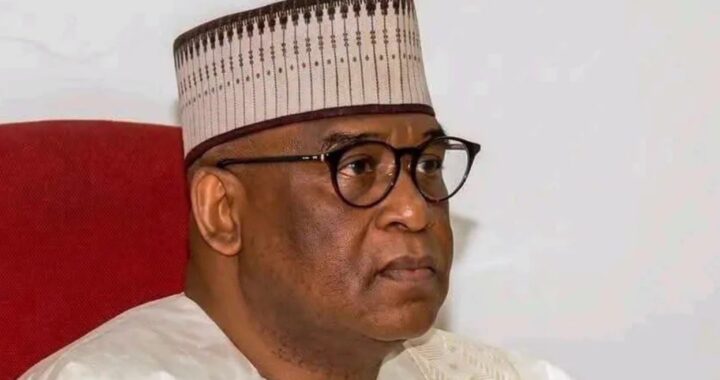 Former Katsina Senator Bello Mandiya Dies At 62
  UNIZIK Lecturers Begin Indefinite Strike Over Unpaid August Salary
  Nomy Evicted From BBNaija Season 11 After Defying Big Brother’s Orders
  New York Student Sentenced To One Year In Dubai Prison Over Airport Incident
  2027: Governorship, Assembly Campaigns Officially Begin Across Nigeria