
Protest Erupts at Federal High Court Over Moves to Deregister Opposition Parties
By Ranti Thomas
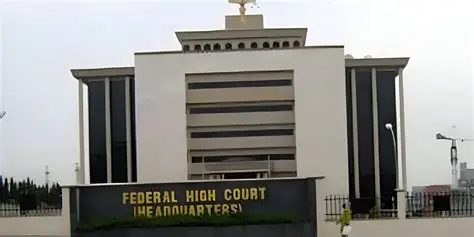
Tension flared at the Federal High Court in Abuja as protesters gathered in large numbers to oppose ongoing legal efforts seeking the deregistration of several opposition political parties.
The demonstrators, under the banner of a civil society coalition, stormed the court premises in Wuse, warning against what they described as attempts to weaken Nigeria’s democratic space.
Carrying placards and chanting slogans, the group insisted that removing opposition parties from the political system would undermine free and fair elections.
They specifically cautioned the federal government against interfering in the independence of the judiciary and the Independent National Electoral Commission.
Security operatives, including personnel from the Department of State Services, were deployed to the scene to maintain order and prevent disruption of court activities.
Leaders of the protest expressed concern that the legal action, which is still before the court, could be used as a political tool to sideline opposition voices.
According to them, democracy thrives on competition, and any move to shrink the political space could have serious consequences for national stability.
The protest comes amid an ongoing suit seeking to compel electoral authorities to deregister parties accused of failing to meet constitutional requirements.
Some of the affected parties include the African Democratic Congress and others listed in the case.
The demonstrators also called on the Attorney-General of the Federation to remain neutral, warning that any perceived bias could erode public confidence in the legal process.
Observers say the development highlights growing tension around political realignments ahead of the 2027 elections.
The case itself is expected to play a major role in shaping Nigeria’s party structure, especially if the court eventually rules in favour of deregistration.
For now, the protest underscores rising concerns over the balance between legal enforcement and political inclusion in the country’s democracy.
 Remi Tinubu Honoured with Anambra Chieftaincy Title
  Tinubu Mourns Peter Onwubuariri, Presidential Media Aide Dies At 48
  Peter Obi’s Convoy Blocked In Benue As Sowore Condemns Incident
  Former Katsina Senator Bello Mandiya Dies At 62
  UNIZIK Lecturers Begin Indefinite Strike Over Unpaid August Salary
  Kwara Police Seek More Vehicles, Equipment To Strengthen Fight Against Crime
  2027: Governorship Campaigns Begin As Candidates Unveil Fresh Promises
  New York Student Sentenced To One Year In Dubai Prison Over Airport Incident