
Nigeria Still Struggles With Power Supply Despite Billions In World Bank Support
By Ranti Thomas
Nigeria’s electricity crisis continues to persist despite receiving more than $3.6 billion in loans and financial support from the World Bank over the years, raising fresh questions about the impact of decades of reforms in the power sector.
A recent report examining the country’s electricity industry showed that millions of Nigerians still experience regular blackouts, unstable power supply and limited access to electricity despite significant investments aimed at improving generation, transmission and distribution.
The report noted that the World Bank has funded several major projects designed to strengthen Nigeria’s electricity infrastructure, expand access to power and improve the performance of electricity companies. However, many of the sector’s long-standing challenges remain unresolved.
For many households and businesses, power outages have become a daily reality. Small businesses continue to spend heavily on generators and fuel, while manufacturers face rising operating costs that affect production and profitability.
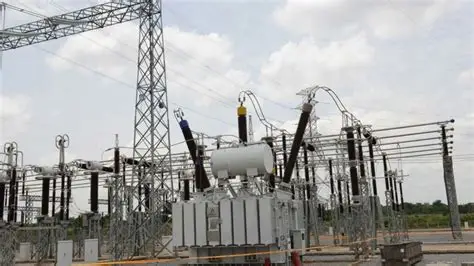
Experts say one of the biggest problems is the gap between electricity generation and the capacity to transmit and distribute power across the country. Even when generation improves, weaknesses in transmission lines and distribution networks often prevent consumers from enjoying stable supply.
The sector is also weighed down by huge debts, inadequate investment, aging infrastructure and low revenue collection. Distribution companies have repeatedly complained about energy theft, unpaid bills and operational difficulties, while consumers continue to express frustration over poor service.
Over the years, successive governments have introduced reforms aimed at transforming the sector, including the privatisation of power assets and the introduction of various intervention programmes. Yet electricity supply remains one of the most significant challenges facing Africa’s largest economy.
The report further highlighted concerns over the effectiveness of some projects financed through international loans, with analysts calling for greater accountability and stronger monitoring to ensure that funds are used efficiently.
Despite these challenges, government officials maintain that progress has been made in expanding electricity access and attracting investment into the sector. Authorities argue that reforms currently being implemented will gradually improve supply and strengthen the national grid.
The issue has gained renewed attention following the Federal Government’s recent decision to cancel a proposed $717.7 million World Bank loan intended for power sector reforms, a move that generated debate among economists and energy experts.
Many Nigerians, however, say the real measure of success is not the amount borrowed or invested but whether electricity becomes more reliable and affordable for homes and businesses.
As demand for power continues to rise with population growth and economic expansion, pressure is mounting on policymakers, regulators and industry operators to deliver lasting solutions to a crisis that has persisted for decades.