
Emefiele Fights EFCC Evidence, Alleges Torture In ₦2.8bn Fraud Trial
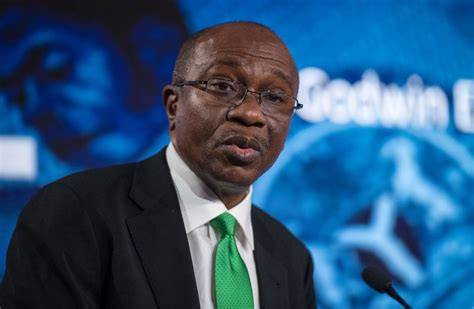
Former Governor of the Central Bank of Nigeria (CBN), Godwin Emefiele, on Friday challenged attempts by the Economic and Financial Crimes Commission (EFCC) to present statements allegedly obtained from him in his ongoing trial over an alleged $4.5 billion and ₦2.8 billion fraud case.
The matter came up before Justice Rahman Oshodi of the Lagos State Special Offences Court sitting in Ikeja, where Emefiele’s legal team strongly opposed the admissibility of several statements the anti-graft agency sought to tender as evidence.
His lead counsel, Olalekan Ojo (SAN), argued that the statements were not made voluntarily, insisting they were obtained while the former apex bank chief was subjected to harsh and inhumane treatment during his detention by the EFCC.
According to the defence, Emefiele was allegedly kept in custody for more than 157 days without proper communication access, a situation they claimed amounted to oppression and violated provisions of Nigeria’s Anti-Torture Act.

The defence maintained that any statement obtained through coercion, torture or degrading treatment cannot legally be admitted as evidence, urging the court to reject the documents presented by the prosecution.
The dispute began after Director of Public Prosecutions of the Federation, Rotimi Oyedepo (SAN), attempted to tender the statements through prosecution witness Alvan Ikoku, who testified that EFCC investigators recorded statements from Emefiele on several dates in October 2023.
Following the testimony, the defence immediately asked the court to conduct a trial-within-trial, a separate hearing meant to determine whether the statements were voluntarily made before deciding if they can be admitted.
The prosecution later agreed to withdraw one of the statements dated October 26, 2023, explaining that it only contained Emefiele’s personal details, after which the court struck it out from the proceedings.
However, the prosecution opposed holding a trial-within-trial for the remaining statements, arguing that the documents were not confessional statements and therefore did not require separate proceedings.
EFCC counsel insisted that the Evidence Act should guide the court on admissibility issues and urged the judge to avoid unnecessary delays because of the public interest surrounding the high-profile case.
After listening to arguments from both sides, Justice Oshodi adjourned ruling on whether the disputed statements will be admitted until July 9, while the substantive trial was fixed for October 6, 7, 8 and 9 for continuation.