
Oil Prices Rise Above $106 As Trump Rejects Iran Truce Offer
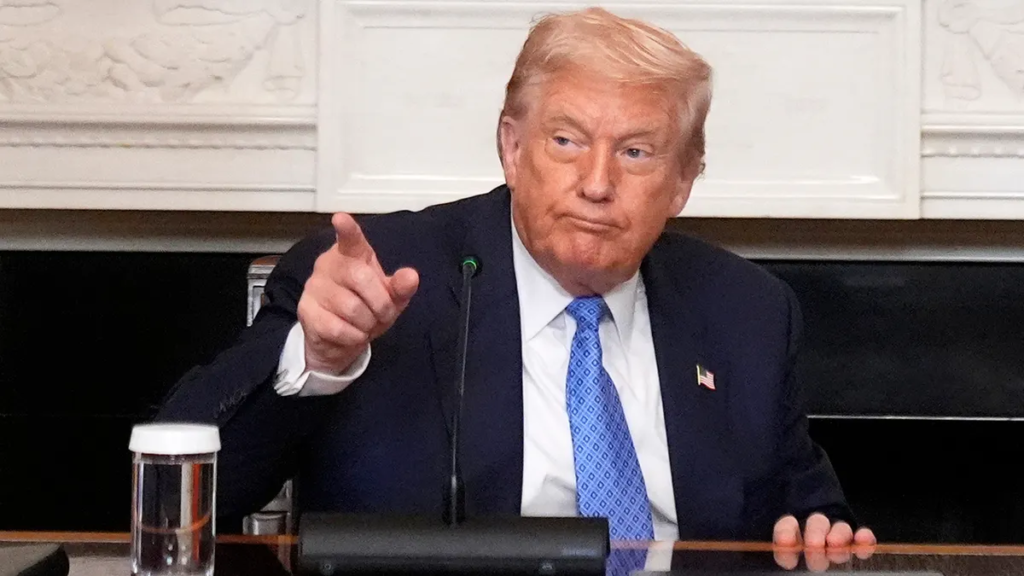
Global oil prices climbed again on Monday after United States President Donald Trump rejected an Iranian proposal for a seven-day truce aimed at easing tensions between Washington and Tehran and reopening the strategic Strait of Hormuz.
Brent crude futures rose above $106 per barrel, reversing part of the decline recorded last Friday when markets reacted positively to news of Iran’s proposal. West Texas Intermediate crude also gained as traders assessed the possibility of prolonged disruptions to oil supplies.
Iran had presented a proposal during the United Nations General Assembly in New York last week that included a halt in hostilities and the reopening of the Strait of Hormuz. The waterway is one of the world’s most important energy routes and carries a significant portion of global crude oil and liquefied natural gas shipments.
Trump rejected the proposal, telling reporters that he would not accept the terms put forward by Tehran. However, he indicated that diplomatic contacts could continue, with reports suggesting that indirect discussions between the two countries could resume.
Iran has maintained that the Strait of Hormuz would only be reopened under conditions that include the release of frozen Iranian assets, the lifting of sanctions affecting its oil exports and an end to the US naval blockade.
The uncertainty has increased concerns over the availability and movement of crude supplies, particularly as the conflict continues to affect major shipping routes in the Middle East. The Strait of Hormuz has become a central point in the confrontation because of its importance to international energy markets.
The latest increase in oil prices has also renewed concerns about inflation. Higher crude prices can raise transportation and production costs and place additional pressure on economies already dealing with elevated energy and consumer prices.
Financial markets reacted cautiously to the development, with several Asian stock markets recording declines as investors assessed the potential economic consequences of prolonged tensions in the region. Bond yields also moved higher as markets weighed the possibility that persistent energy costs could complicate efforts by central banks to control inflation.
Attention is now turning to the United States Federal Reserve ahead of its next policy meeting at the end of October. Investors are also awaiting fresh inflation and employment data that could influence the direction of US interest-rate policy.
Despite the latest setback, diplomatic efforts have not completely ended. Trump has indicated that further talks with Iran could take place, while Iranian officials have continued to say that negotiations remain possible if their conditions for resolving the crisis are addressed.
The renewed rise in oil prices highlights the continuing sensitivity of global energy markets to developments around the Strait of Hormuz. Any prolonged disruption to the waterway could continue to affect crude prices, inflation and financial markets around the world.
 Otti Rules Out Presidency, Says He’ll Quit Politics After Governorship
  Electricity Subsidy May Near N2tn As FG Freezes Tariff Hike
  Trump Rolls Out Red Carpet for Xi at White House
  Wike Denies Rigging 2023 Election, Defends G5 Strategy
  Tinubu, Macron Hold Private Dinner As Nigeria-France Relations Take Centre Stage
  2027: Toyin Abraham Rejects Inclusion In Lagos APC Campaign Council
  Oil Prices Rise Above $106 As Trump Rejects Iran Truce Offer
  FG Seeks Fresh $1.5bn World Bank Loans as Nigeria’s Debt Rises
  FG Introduces Five-Year Blacklist for Defaulting Contractors
  APC State Chapters Reject Wike’s Rainbow Coalition, Ask Him to Join Party