
Nigerians Spend N58.6tn on Petrol as CNG Adoption Struggles to Grow
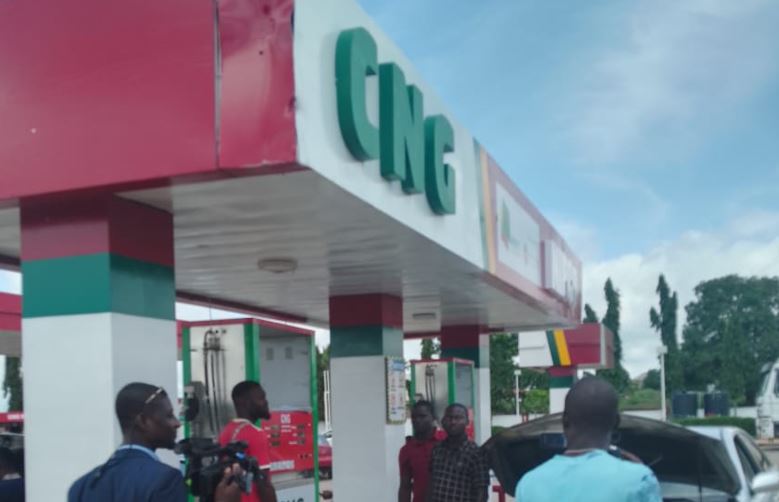
Nigerians have spent about N58.6 trillion on petrol in the three years since the removal of the fuel subsidy, while the Federal Government’s push to move motorists to Compressed Natural Gas has recorded only limited progress.
The latest figures show that CNG adoption is still far below the level needed to provide a cheaper alternative to petrol for millions of Nigerians.
The Federal Government had promoted CNG as one of the major ways to reduce the pressure created by the removal of petrol subsidy, particularly by lowering transportation and energy costs.
The plan was designed to encourage motorists to convert their vehicles from petrol to gas and eventually reduce the country’s dependence on petrol.
However, the slow pace of conversion means that petrol remains the main fuel for most vehicles on Nigerian roads.
Current estimates indicate that only about 120,000 vehicles have been converted to CNG, representing a small fraction of the millions of vehicles operating across the country.
The government had earlier set an ambitious target of converting about one million vehicles to CNG by 2027, making the current level of adoption a major gap between its target and what has been achieved.
One of the biggest problems has been the shortage of reliable CNG infrastructure.
Motorists in several parts of the country have complained about long queues and limited access to functioning CNG stations, with the situation particularly noticeable in major cities such as Lagos.
Industry figures indicate that only a portion of the available CNG stations are fully operational, leaving motorists who have converted their vehicles struggling to find places where they can refuel.
The cost of converting a vehicle has also remained a challenge for many Nigerians, particularly private vehicle owners and commercial drivers who are already dealing with higher operating expenses.
The slow expansion of CNG infrastructure has therefore made it difficult for the government to achieve the wider transition it envisaged after subsidy removal.
At the same time, petrol prices and transportation costs have continued to put pressure on households and businesses.
The government has continued to introduce measures aimed at encouraging the switch, including tax and import-duty incentives for CNG vehicles, electric vehicles and related equipment.
New CNG facilities have also been commissioned in different parts of the country as authorities attempt to increase the supply and availability of the alternative fuel.
But the latest figures suggest that infrastructure expansion and vehicle conversion have not yet moved quickly enough to make CNG a widely available alternative to petrol.
For ordinary Nigerians, the issue is less about the policy itself and more about whether the promised cheaper transportation can actually become a reality.
Until more vehicles are converted and enough reliable CNG stations are available, most motorists will continue to depend on petrol despite the financial burden.
The huge amount spent on petrol since subsidy removal therefore highlights the gap between Nigeria’s ambition to move towards cheaper alternative fuels and the reality facing motorists.
The challenge for the Federal Government is now to accelerate CNG infrastructure, make conversions more affordable and ensure that motorists can easily access gas once they make the switch.
Without those changes, the country’s CNG programme may continue to struggle to deliver the cheaper transportation and energy costs Nigerians were promised.
 FG Restricts Air Travel for 46 Contacts
  Nigeria Faces Rare Ebola Strain as Officials Intensify Efforts to Contain Abuja Case
  NDLEA Uncovers Mexican Cartels’ Alleged Plan to Make Nigeria a Meth Production Hub
  Fasoranti: A Century of Service, From Awolowo’s Political School to Afenifere Leadership
  After 40 Years Apart, Fatai Okoya Makes Emotional Plea to Reunite With Billionaire Father
  Prince Harry Signals Fresh Push for Royal Family Reconciliation