
Nepal Flood Crisis Deepens as Rescue Resumes, $5bn Reconstruction Bill Looms
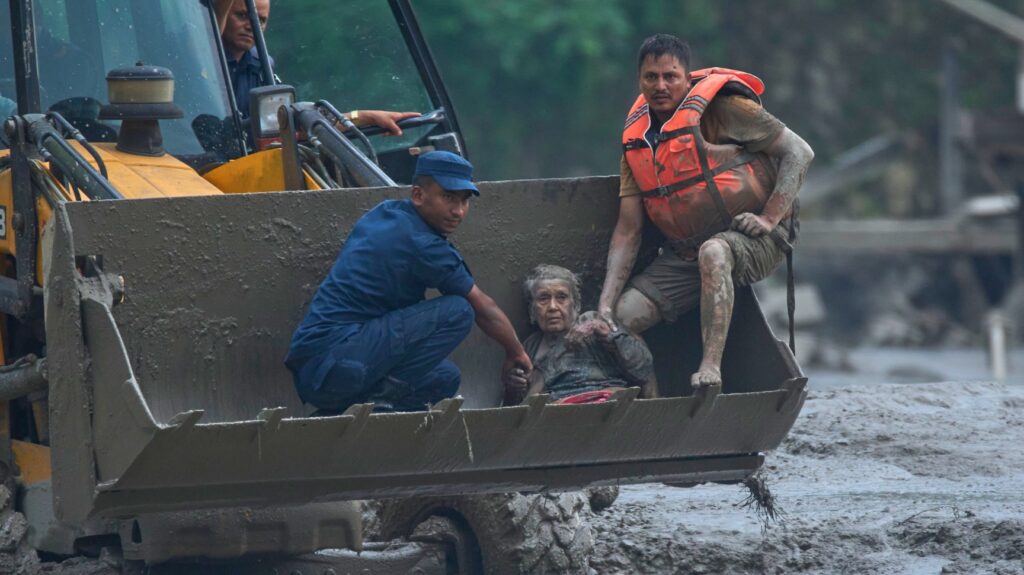
Nepal has resumed search and rescue operations after severe weather briefly forced authorities to suspend the effort following a devastating flood along the country’s border with Tibet.
The disaster has left at least 669 people dead in Nepal, with another seven reported dead in Tibet, while nearly 3,000 people remain missing, including more than 540 foreign nationals.
The flooding was triggered by a glacier collapse, sending a huge rush of water, mud and debris through communities near the Nepal-China border. Roads, bridges, buildings and power facilities were destroyed, leaving several areas difficult to reach.
Although Nepal has resumed its own search and rescue operations, the government says it needs foreign assistance mainly in specialised technical areas, rather than general rescue work.
Foreign Minister Shisir Khanal said Nepal needs experts to help with difficult operations such as rescuing people trapped inside tunnels, restoring damaged transport and communication links, identifying bodies through DNA testing and managing the large number of recovered remains.
India and China have already responded by providing assistance, including technical teams and relief supplies. Nepal has also requested temporary Bailey bridges to help restore transport routes destroyed by the flooding.
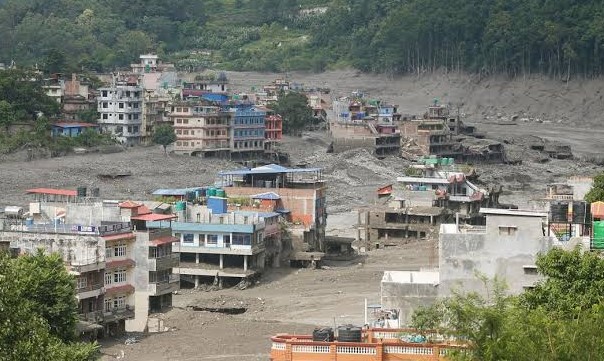
The scale of the disaster has created another major challenge for the Nepalese government: rebuilding the affected areas.
Finance Minister Swarnim Wagle told Reuters that Nepal could require between $4 billion and $5 billion to rebuild after the disaster. That amount is close to one-tenth of the country’s economy, showing the enormous financial burden created by the floods.
The destruction has also affected important infrastructure, including roads, bridges and hydropower facilities. Some communities have been cut off, while thousands of people have been displaced from their homes and livelihoods.
Authorities are also facing the difficult task of identifying victims. Some bodies have already begun decomposing, prompting officials to collect DNA samples before burial so that families can eventually confirm the identities of their missing relatives.
The number of missing people has made the situation particularly painful for families in Nepal and other countries. Many foreign nationals were in the affected region as tourists, trekkers or pilgrims when the disaster struck.
Despite the enormous destruction, thousands of people have already been rescued, while emergency teams continue searching damaged areas for survivors and missing victims.
For Nepal, the crisis has now moved beyond an emergency rescue operation. The government must simultaneously find missing people, identify the dead, restore basic infrastructure and begin planning for a reconstruction effort that could cost billions of dollars.
The coming days will therefore be critical as rescuers continue the search and the government works with neighbouring countries and international partners to tackle the aftermath of one of Nepal’s worst recent natural disasters.
 Army Chief Visits Borno as Tinubu Demands Rescue of Abducted Nigerians
  Mission Africa Pushes African Unity, Economic Integration at Conference
  Dangote Says Ready To Face Legal Battles Over Fuel Imports
  Olumoye Royal Family Sues Lagos Government, Traditional Rulers Over Tiye Land
  Nigeria Faces Rare Ebola Strain as Officials Intensify Efforts to Contain Abuja Case
  Prince Harry Signals Fresh Push for Royal Family Reconciliation
  NDLEA Uncovers Mexican Cartels’ Alleged Plan to Make Nigeria a Meth Production Hub