
Military Investigation Concludes as Officers to Be Arraigned Over Alleged Coup Plot
By Wellington Jopelo
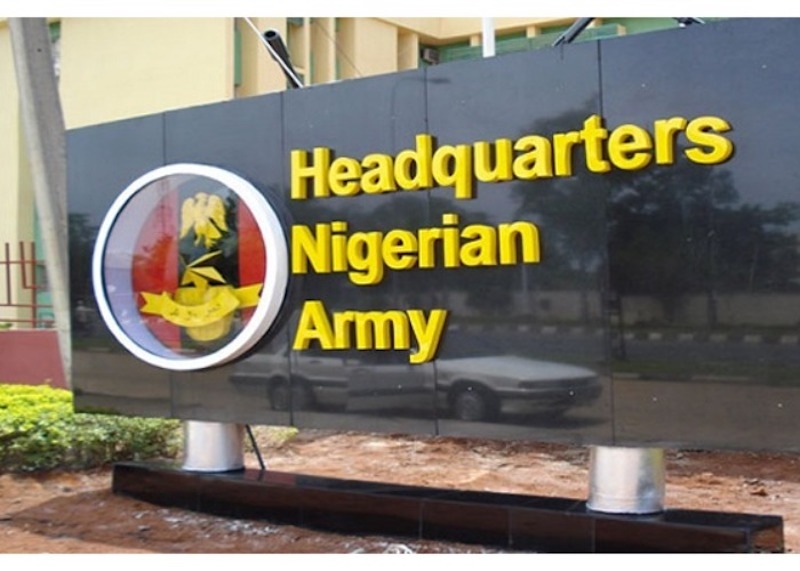
The Nigerian military has reached the end of its investigation into a group of officers accused of planning actions against the government. The announcement marks a major step in a case that has drawn public attention for months and raised concerns about discipline within the armed forces.
The officers were arrested in late 2025 after intelligence reports suggested unusual meetings and conduct that went against military rules. At the time, the military described the issue as an internal matter and assured Nigerians that it was being handled professionally.
After months of questioning, reviews, and internal checks, the Defence Headquarters confirmed that the investigation is now complete. According to the military, some of the officers involved have serious issues to answer based on the findings of the panel set up to examine the case.
With the investigation concluded, the next step is arraignment. The officers identified by the panel will face military judicial processes in line with existing laws guiding the armed forces. These proceedings will not take place in regular civilian courts but within the military justice system.
Military authorities have stressed that the process is meant to protect discipline, order, and unity within the armed forces. They insist that every officer involved will be treated fairly and given the chance to defend themselves during the proceedings.
The case is significant because of Nigeria’s history with military rule and past coups. Any allegation involving an attempt to undermine a civilian government naturally creates fear and concern among citizens, even when handled internally.
Beyond the military, the situation has also sparked conversations among Nigerians about loyalty, leadership, and the role of the armed forces in a democratic society. Many believe the case is a reminder that institutions must always respect constitutional authority.
There are also questions about transparency. While the military has promised due process, members of the public will be watching closely to see how open and fair the trials will be and how quickly they are concluded.
This moment presents an opportunity for the military to show its commitment to professionalism and national stability. How the case is handled could either strengthen public trust or deepen doubts about accountability within powerful institutions.
As the arraignment begins, the outcome will likely shape future discussions about civil-military relations in Nigeria. More than just a disciplinary issue, the case stands as a test of the country’s democratic values and institutional strength.
 Anambra Mother Arrested After Husband Discovers Alleged Abuse
  Tinubu Heads To Paris As European Vacation Continues
  Dangote Refinery Raises Petrol Price Again To N1,350
  EFCC, FBI Close In On Alleged USAID Funds Misuse
  Remi Tinubu Honoured with Anambra Chieftaincy Title
  Bamanga Tukur Dies At 90 After Decades In Public Service
  Trump’s Oil Price Promises Shift As Iran War Drags On