
Trump’s Oil Price Promises Shift As Iran War Drags On
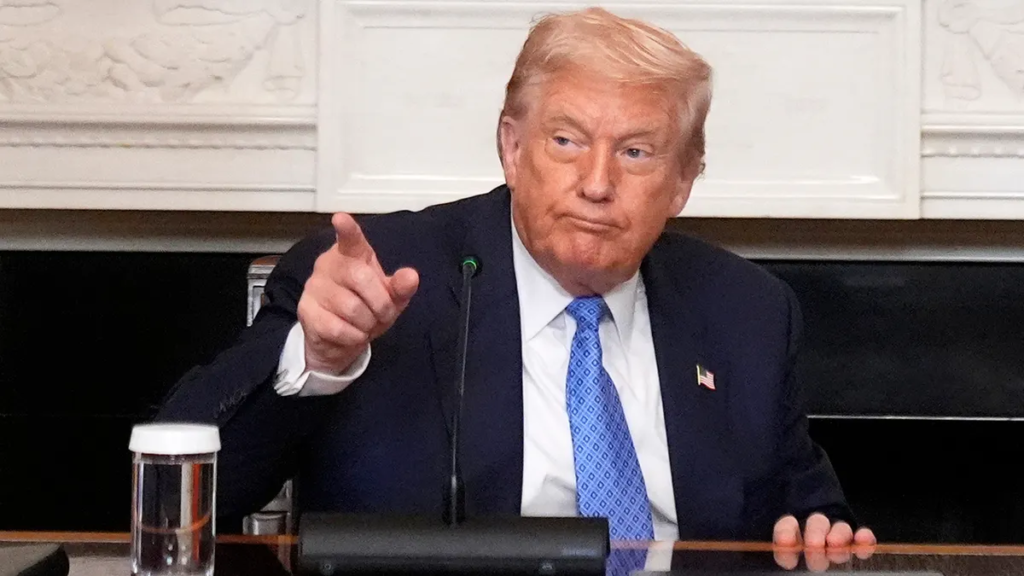
US President Donald Trump has repeatedly assured Americans that higher oil and petrol prices caused by the war with Iran would eventually ease, but his predictions have changed as the conflict has continued and energy costs have climbed.
At the start of the conflict, Trump said oil prices would be “a little high” for a short period. On March 8, he described the increase as a “small price to pay” for what he called safety and peace.
The conflict subsequently triggered a major disruption to global oil supplies after fighting affected traffic through the Strait of Hormuz, a critical route that previously handled about one-fifth of global oil shipments.
By March 12, oil prices had crossed $100 per barrel, while Brent crude later approached $120. US petrol prices also moved above $4 per gallon, adding to concerns about inflation and household spending.
Trump continued to downplay the economic impact. In March, he said the consequences had been less severe than he had expected and predicted that the war would end soon. In June, he again dismissed concerns about fuel prices, saying US petrol prices were “not very high” at the time.
He also said in June that prices would fall after the Iran conflict was resolved. On June 29, Trump separately called on petrol retailers to reduce prices, urging them to lower costs for American consumers.
His position became more explicit in September. On September 7, Trump said oil prices would “drop precipitously” once the US won the war with Iran, predicting that petrol could first fall to about $3 per gallon and eventually below $2.
Two days later, however, Trump acknowledged that consumers might have to wait longer. With Brent crude again moving above $100 per barrel, he said oil prices were likely to fall only after the November midterm elections. He also predicted that the war itself would end immediately after the election.
The latest comments came as the conflict entered its seventh month and fuel costs continued putting pressure on Americans. US petrol averaged about $4.22 per gallon on September 9, while diesel prices had reached record levels, increasing transportation and production costs.
The continuing rise in oil prices has therefore created a difficult economic backdrop for the Trump administration. Global Brent crude climbed above $100 as attacks and disruptions around the Strait of Hormuz reduced oil flows and heightened fears of further supply shortages.
For American consumers, Trump’s repeated assurances now face the test of whether the war ends and disrupted oil supplies recover quickly enough to bring down petrol prices. Until then, fuel costs remain closely tied to the duration of the conflict and the stability of major global oil routes.
 Bamanga Tukur Dies At 90 After Decades In Public Service
  Dangote Refinery Raises Petrol Price Again To N1,350
  PXES Collapse, Fuel Hike Put Nigerians Under Fresh Pressure
  EFCC, FBI Close In On Alleged USAID Funds Misuse
  Nigeria Airways Workers Finally See 23-Year Wait End
  King’s College Not Sold, FG Clarifies
  Trump’s Oil Price Promises Shift As Iran War Drags On