
Samb Calls For Meritocracy In African Leadership
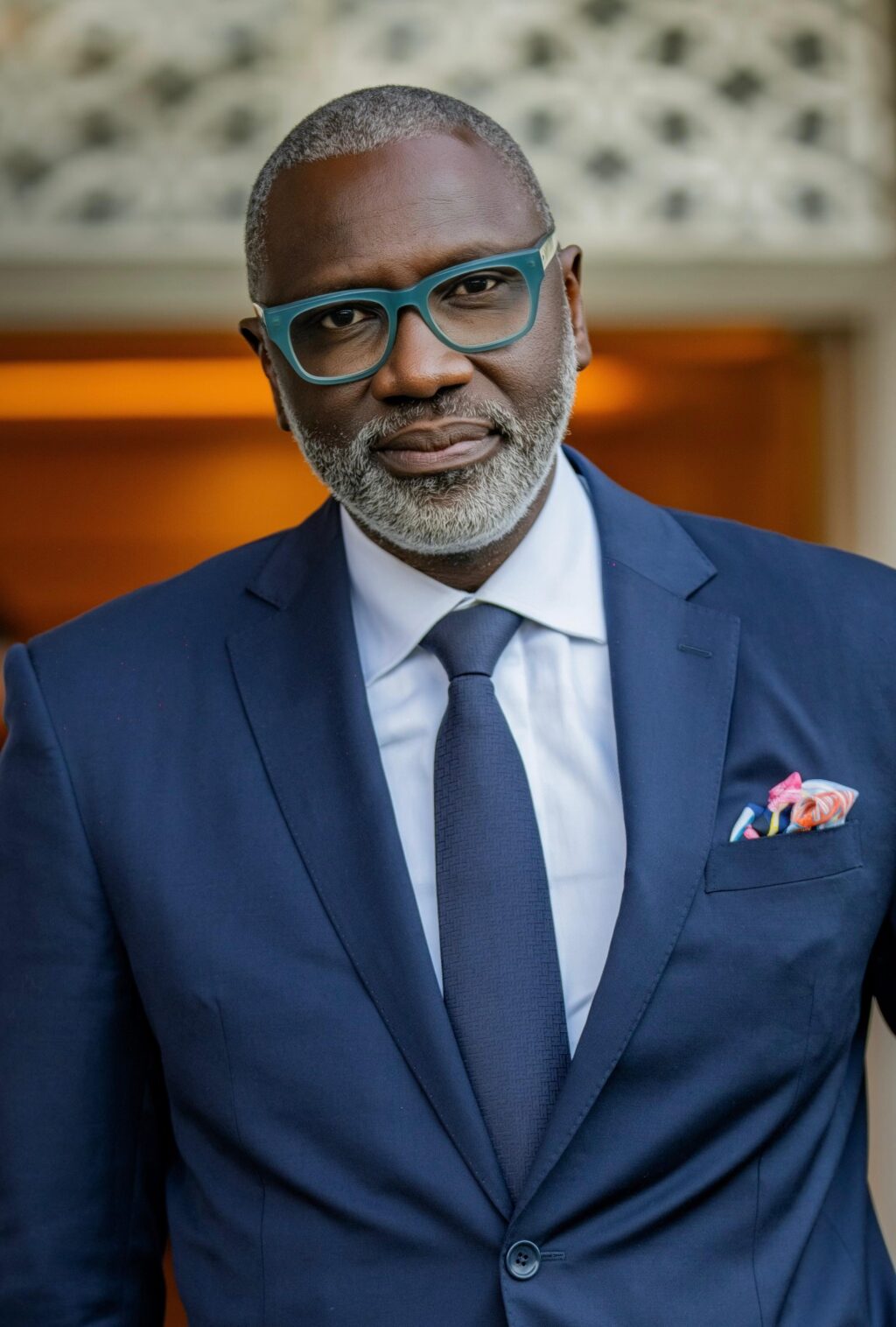
Renowned African leader and public intellectual, Abdou Samb, has called for a new approach to governance that combines the African philosophy of Ubuntu with merit-based leadership, arguing that the continent cannot achieve meaningful development if public institutions continue to reward personal connections over competence.
Samb, President of the Abdou Samb Foundation and Honorary Ambassador to the Pan-African Parliament for the Diaspora, said Ubuntu, which promotes shared humanity and collective responsibility, must be supported by strong institutions that give qualified people the opportunity to lead and contribute to society.
In his latest argument on Africa’s future, Samb said the continent faces a major challenge because its institutions have not developed at the same pace as technology and the demands of a rapidly changing world.
He drew on a statement by biologist Edward O. Wilson, who described humanity as having “Paleolithic emotions, medieval institutions, and godlike technology” to explain the gap between human progress and the systems created to manage society.
According to Samb, African countries are particularly affected by this challenge, as many public institutions remain occupied with basic administrative and survival needs while the global economy increasingly depends on advanced technology, innovation and specialised knowledge.
He identified the continent’s young population as one of its greatest opportunities but warned that the potential of young Africans would remain largely untapped if they were excluded from important decisions.
Samb acknowledged the importance of Ubuntu, commonly understood through the expression, “I am because we are,” saying the philosophy provides a moral foundation for cooperation, compassion and responsibility towards others.
However, he argued that goodwill alone cannot build modern infrastructure, develop biotechnology, provide reliable electricity or create the industries needed to employ millions of young people.
He maintained that while Ubuntu offers society a sense of direction and shared purpose, meritocracy provides the practical system for identifying capable people and placing them in positions where their knowledge and abilities can produce results.
Samb warned that without merit-based appointments, Ubuntu could be reduced to a system of favouritism in which family, ethnic and personal relationships determine access to opportunities.
He said genuine African development requires institutions that recognise competence, encourage innovation and allow people to advance through their abilities rather than political connections.
The public intellectual also referred to the ideas of former Senegalese President Léopold Sédar Senghor, particularly his vision of a universal civilisation built through the contribution and interaction of different cultures.
He argued that Africa should not reject its cultural identity in the pursuit of modernisation but should combine its traditional values with effective institutions, scientific knowledge and professional standards.
Samb also recalled the writings of South African intellectual Pixley ka Isaka Seme, particularly his essay, The Regeneration of Africa, which called for the continent’s renewal through confidence in its own capabilities.
For Samb, the challenge is to build a development model that respects Africa’s humanist traditions while adopting the institutional discipline required to compete in a modern global economy.
His argument also forms part of his advocacy for the creation of a Seventh Region within the African Union, a proposed structure intended to give young Africans a more direct role in continental governance.
The African Union currently recognises five geographical regions and a sixth region representing Africans in the diaspora. Samb argues that the continent’s youth, despite their numerical strength and importance to its future, still lack an adequate institutional platform for participating in major decisions.
He said the proposed Seventh Region should go beyond conferences, consultations and symbolic representation. Instead, it should have a recognised right to initiate proposals, participate in decision-making, access independent resources and operate through transparent, merit-based selection.
Samb further argued that young Africans should be assessed on their competence, ideas and capacity to deliver rather than their political networks or connections to influential individuals.
He pointed to youth engagements in South Africa and Burundi as examples of efforts to increase young people’s participation in continental discussions. However, he said such gatherings would have limited impact if participants were allowed to express their views without gaining access to actual decision-making structures.
According to him, Africa must move beyond inviting young people to speak at public events while keeping them away from the institutions where policies are designed and implemented.
He stressed that the success of the proposed Seventh Region should be measured by its ability to take independent decisions, mobilise resources and create opportunities for capable young people who may not have political influence.
Samb’s position is that Africa’s future depends on moving from consultation to meaningful participation and from relationship-based appointments to competence-driven leadership.
He believes Ubuntu should remain at the heart of African identity, but insists that it must be supported by meritocracy if the continent is to build institutions capable of delivering development.
In his central argument, Ubuntu provides the reason for collective progress, while meritocracy offers the practical means of achieving it.
 Court Discharges Mompha, Strikes Out N6bn Money Laundering Charge
 Adasonla Victoria Temitope Champions Women’s Empowerment At African Conference
 Orile-Agege Chairman Lists Projects, Says 21 Were Inherited
 Lagos Takes HIV Screening Campaign To Offices, Trade Fair
 Widow Sues Airtel, ATC Over Telecom Mast
 EFCC Begins Nationwide Audit Of 774 LG Councils
 Samb Calls For Meritocracy In African Leadership
 Obi Makes Vote Protection Central To 2027 Campaign