
Reps Clear Gbajabiamila as Fake Agency Probe Uncovers More Evidence
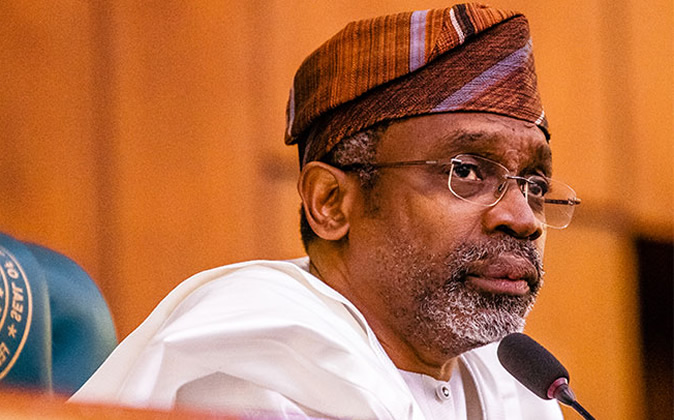
The House of Representatives committee investigating the controversial Presidential Foreign Intervention Promotion Council has cleared the Chief of Staff to President Bola Tinubu, Femi Gbajabiamila, of involvement in the activities of the purported agency.
The panel said its preliminary findings did not establish that Gbajabiamila authorised, approved or participated in the establishment or operations of the organisation, which lawmakers have described as an unestablished agency.
The development comes as the committee continues to uncover details surrounding how the purported council gained recognition in government circles and became associated with budgetary provisions despite, according to the panel, having no legal foundation.
Chairman of the committee, Yusuf Gagdi, said the evidence before the lawmakers showed that a purported appointment letter used to link Gbajabiamila to the agency did not originate from the State House.
The committee also found that documents allegedly presented as official government instruments in support of the Presidential Foreign Intervention Promotion Council were questionable, with some suspected to have been fabricated.
The panel said the evidence available to it showed that Gbajabiamila had not created or approved the organisation. Instead, the committee noted that his office had raised concerns about the activities of the individual presenting himself as the agency’s Director-General and had contacted security agencies over the matter.
The investigation has also widened beyond the Chief of Staff, with lawmakers uncovering about 58 bank accounts allegedly linked to Prince Adeniyi Adeyemi, the detained man who presented himself as the Director-General of the purported agency.
According to the committee, more than 30 of the accounts appeared to have been operated in the names of various agencies, companies, foundations and organisations allegedly connected to Adeyemi. The lawmakers said they were still examining the ownership, signatories and transactions associated with the accounts.
The panel also raised questions over an alleged ₦400 million transaction involving a company which reportedly claimed that it paid money after being led to believe that Adeyemi could secure a government contract connected to the renovation and furnishing of an official residence.
The committee stressed that the discovery of the accounts and transactions does not automatically mean that every account holder or transaction was involved in a crime, saying further verification and investigation were required before conclusions could be reached.
The fake agency controversy first attracted widespread attention after Adeyemi allegedly presented himself as a presidential appointee and the head of the purported council, which subsequently appeared in Nigeria’s 2026 budget.
The House panel said its investigation had so far found no law, Executive Order, gazetted enactment or other lawful instrument establishing the Presidential Foreign Intervention Promotion Council.
The controversy also became politically sensitive after allegations were made against Gbajabiamila, including claims that money was paid through intermediaries to facilitate Adeyemi’s alleged appointment. Gbajabiamila and the Presidency denied the allegations.
Gbajabiamila later appeared before the Independent Corrupt Practices and Other Related Offences Commission after receiving an invitation in connection with the wider investigation. The ICPC said he was invited for questioning and was not arrested.
With the House committee now clearing the Chief of Staff, attention is expected to shift more strongly towards how the purported agency was able to operate, how official-looking documents were allegedly produced and how it became connected to government structures and financial transactions.
The committee is expected to continue examining the financial records, government correspondence and other evidence before presenting its final report to the House.
The lawmakers have also indicated that the investigation could lead to recommendations for stronger systems to verify government appointments, agencies and official correspondence in order to prevent individuals from using fake documents or non-existent institutions to gain access to public resources.
The committee’s findings are preliminary and should not be interpreted as a final determination of criminal guilt against any individual. Any criminal responsibility arising from the allegations will ultimately depend on the outcome of the relevant investigations and legal proceedings.
 Ebola Alert: Lab Scientists Seek Virtual Campaigns for 2027 Polls
  Lagos Justice Ministry Celebrates New Permanent Secretaries
  FG Restricts Air Travel for 46 Contacts
  NDLEA Uncovers Mexican Cartels’ Alleged Plan to Make Nigeria a Meth Production Hub