
National Assembly Moves Against Political Violence As 2027 Campaigns Gather Momentum
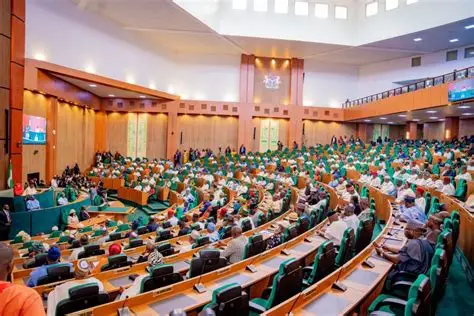
The National Assembly has begun taking steps to address growing concerns over political violence ahead of the 2027 general elections, with the House of Representatives launching an investigation into reported attacks while the Senate demands the arrest and prosecution of those responsible.
The intervention follows a series of violent incidents involving political supporters, rallies and campaign activities in different parts of the country, raising concerns about the safety of political gatherings and citizens’ freedom to participate in the electoral process.
Chairman of the Senate Committee on Media and Public Affairs, Senator Yemi Adaramodu, said the upper chamber condemned all forms of political violence, intimidation, assault and destruction of property, regardless of the political parties involved.
Adaramodu, who represents Ekiti South, urged security agencies to identify and arrest those responsible for the attacks, insisting that perpetrators should face the consequences of their actions.
He said the National Assembly supported President Bola Tinubu’s call for peace and national harmony, stressing that violence had no place in the country’s democratic process.
While the Senate called for arrests, the House of Representatives adopted a more direct investigative approach by setting up an ad hoc committee to examine reported cases of political violence across the country.
The resolution followed a motion of urgent public importance sponsored by the House Minority Leader, Fred Agbedi, alongside 16 other lawmakers.
Presenting the motion, Agbedi expressed concern over attacks on political meetings, rallies, processions and other lawful political activities. He warned that continued intimidation and destruction of property could discourage citizens from participating in politics.
The lawmaker cited several incidents to demonstrate the growing security concerns ahead of the elections.
Among them was the disruption of political meetings in Enugu State on September 12, 2026, where two attendees were reportedly injured and one person allegedly killed.
He also recalled the October 28 attack on APC supporters travelling along the Yashi-Funtua route in Katsina State, which reportedly resulted in injuries and damage to vehicles. Police subsequently announced the arrest of 14 suspects.
In Nasarawa State, an APC rally in Lafia was reportedly attacked on November 4, leaving several people injured.
Another incident occurred on November 7 during a political procession organised by supporters of the Nigeria Democratic Congress in Asaba, Delta State. The police reportedly confirmed that one person was killed and five others injured.
Agbedi also referred to the constitutional protection of freedom of assembly and association under Section 40 of the 1999 Constitution, as amended.
He argued that Nigerians must be able to attend political meetings, support candidates and participate in lawful political activities without intimidation or fear of violence.
The House subsequently constituted an ad hoc committee headed by its Leader, Julius Ihonvbere, to investigate the immediate and underlying causes of politically motivated violence.
The committee includes the House and Minority Leaders, chairmen and deputy chairmen of the House Committees on Police Affairs and National Security and Intelligence, alongside two additional members.
It has been given three weeks to submit its findings.
Agbedi stressed that allegations of responsibility for the reported attacks must be subjected to impartial and evidence-based investigations rather than political assumptions.
The legislative intervention comes amid wider concerns from other stakeholders about the atmosphere surrounding the 2027 elections.
The National Peace Committee has reportedly recorded 60 election-related incidents within one month, including violence, intimidation and threats.
The European Union has also expressed concern over political violence, hate speech and intimidation, warning that such developments could discourage citizens from participating fully in the electoral process.
The EU, however, said its responsibility was to support Nigeria’s electoral institutions and civil society rather than impose sanctions on domestic political actors.
With the National Assembly now demanding arrests and investigating reported attacks, attention will turn to whether the intervention produces concrete action against perpetrators and stronger protection for political gatherings.
The central issue is no longer limited to condemnation of political violence. It is whether security agencies and relevant institutions can ensure that Nigerians exercise their democratic rights without threats, attacks or intimidation ahead of the 2027 polls.
 Nigerians Top Immigration Arrests In Malaysia, 53 Detained
 Court Orders INEC To Reinstate Adebutu
 Makinde Questions 2023 Alliance With Tinubu, Says Trust Was Broken
 INEC Moves To Rebuild Electoral Trust With Nationwide Mock Poll
 Disu Tightens Police Command Control Ahead Of 2027 Elections
 OOU Student’s Death Raises Questions Over Campus Safety, Emergency Care
 Global Microsoft Outage Disrupts Outlook, Teams, Businesses