
All 36 States Back State Police Bill
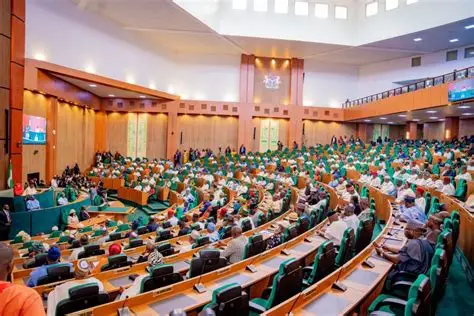
Nigeria’s proposed state police system has received unanimous approval from all 36 State Houses of Assembly, clearing a major constitutional hurdle and moving the country closer to a possible restructuring of its policing system.
The Clerk to the National Assembly, Kamoru Ogunlana, confirmed the development in a statement issued on Monday, November 16, describing the endorsement as an unprecedented level of cooperation between the federal and state legislatures.
The approval represents 100 per cent support from the state assemblies, exceeding the constitutional requirement of at least 24 states under Section 9(2) of the 1999 Constitution.
Ogunlana said his office had completed the verification of the resolutions submitted by the state legislatures, confirming that every state had endorsed the proposed constitutional amendment.
He explained that although the bill had met the constitutional and administrative requirements for transmission earlier, the National Assembly leadership allowed additional time for wider consultations and consensus among the states.
According to him, the decision to wait for all 36 assemblies was intended to ensure that the proposed reform enjoyed support across the federation rather than proceeding with only the minimum number of approvals required by law.
With the verification process completed, the bill is now set to be transmitted to President Bola Tinubu for assent.
The proposed legislation, known as the Constitution (Sixth Alteration) Bill on the Establishment of State Police Services, seeks to amend the 1999 Constitution to provide for a two-tier policing arrangement involving federal and state police services.
Under the proposed framework, states would have the constitutional authority to establish their own police services through laws passed by their respective Houses of Assembly, while the Federal Police Service would continue to handle policing responsibilities at the national level.
The development follows weeks of legislative engagement after the National Assembly transmitted the bill to the 36 state assemblies in September for consideration.
Senate Leader Opeyemi Bamidele had earlier announced that 32 state assemblies had approved the proposal, with the remaining four expected to communicate their decisions before the November 17 deadline.
The latest confirmation means that the four outstanding states have also completed the approval process.
The proposed reform is expected to change how security responsibilities are organised in Nigeria, particularly as communities continue to face kidnapping, banditry, terrorism, communal clashes and other criminal activities.
Supporters of state police have argued that allowing states to operate their own police services could improve intelligence gathering, strengthen community-based security and enable quicker responses to threats.
However, the proposal has also raised concerns about the possibility of governors using state police to intimidate political opponents, suppress dissent or settle personal and political disputes.
To address some of these concerns, provisions in the proposed amendment include safeguards against unlawful political interference, alongside arrangements for police oversight, recruitment, discipline and accountability.
The framework also proposes national minimum standards to guide the establishment and operation of state police services, meaning that states would not be able to operate outside the broader constitutional and legal structure.
Importantly, approval by the state assemblies does not mean that state police operations will begin immediately. The amendment must complete the remaining constitutional process, while further legislation and implementation arrangements will be required to establish the services.
Ogunlana commended the 36 state governors, speakers and members of the state assemblies, as well as other stakeholders, for their contributions to the process.
He also said the successful endorsement would provide a foundation for the National Assembly to transmit other proposed Sixth Constitution Alteration Bills to state legislatures for consideration.
With all 36 states now supporting the proposal, attention has shifted to President Tinubu and the remaining constitutional steps required to establish state police in Nigeria.
 Ronaldo’s Mother Celebrates Portugal’s Defeat
 CJN Swears In 12 New Appeal Court Justices
 Fountain of Life Church Rejects Jimmy Odukoya’s Removal
 EFCC Challenges Medical Report In $1.5m Fraud Case
 New York Police Kill Man After Brooklyn Chase
 State Police Bill Moves Closer To Tinubu’s Desk