
State Police Bill Moves Closer To Tinubu’s Desk

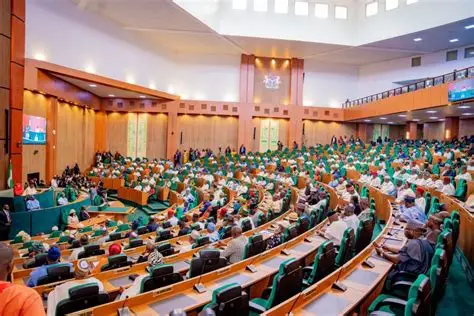
Nigeria’s long-running debate over the establishment of state police is approaching a critical stage, with the National Assembly preparing to forward the proposed constitutional amendment to President Bola Tinubu after securing the required support from state legislatures.
The development marks a major step in efforts to change the country’s centralised policing structure, which has remained in place despite repeated calls for states to have greater control over security operations within their territories.
Senate Leader, Opeyemi Bamidele, said the National Assembly had secured approval from at least 32 State Houses of Assembly, exceeding the constitutional requirement of two-thirds of the 36 states.
Under Section 9(2) of the 1999 Constitution, a constitutional amendment requires the approval of at least 24 state assemblies. With that threshold reportedly achieved, the legislature is preparing to transmit the State Police (Constitution Alteration) Bill, 2026, to Tinubu for assent.
The bill is expected to reach the President on or before Friday, November 20, according to parliamentary sources. The National Assembly is also expected to reconvene on Tuesday, November 17, when lawmakers may receive outstanding reports from state assemblies.
Although 32 approvals have been publicly confirmed by Bamidele, parliamentary sources indicated that the figure could have risen to 34, with Cross River and Niger reportedly among the states yet to submit their decisions.
Bamidele said the legislature was now under obligation to move the process forward, adding that the remaining reports would not prevent the transmission of the bill once the required constitutional threshold had been met.
The proposal seeks to establish separate Federal Police and State Police Services, creating a decentralised system in which state governments would have a role in policing alongside the federal authority.
Its supporters argue that state-based policing could improve intelligence gathering, strengthen community engagement and make it easier for security agencies to respond to crimes in areas where local knowledge is important.
The proposal comes amid persistent security challenges, including kidnapping, banditry, terrorism and communal violence, which have continued to affect communities across different parts of the country.
However, moving policing closer to state governments also raises questions about how the proposed services would be controlled and supervised.
One of the major concerns surrounding state police has been the possibility of political interference, particularly where governors or other powerful officials could attempt to use security agencies against opponents or critics.
There are also concerns about funding, professional standards, accountability and the protection of citizens’ rights under a system in which states would operate their own police services.
Bamidele has sought to address some of these fears, maintaining that the proposal is not intended to create ethnic or state armies but to establish community-based policing structures operating within constitutional safeguards.
The National Assembly transmitted the constitutional alteration bill to the 36 state assemblies on September 16, 2026, through the Clerk to the National Assembly, Kamoru Ogunlana.
The latest progress follows earlier efforts by lawmakers to complete the constitutional review process before the end of the year. Senator Yemi Adaramodu, Chairman of the Senate Committee on Media and Public Affairs, had previously identified the state police proposal as one of the legislature’s priorities.
The proposed change has also received attention from the Presidential Working Group on the National Policing Bill, chaired by Chief of Staff to the President, Femi Gbajabiamila. The group submitted a draft National Policing Bill, 2026, alongside 29 consequential amendment bills to the Ministry of Justice for legislative drafting review and validation.
With the required state-level approval reportedly secured, attention is now shifting to the next constitutional steps and the safeguards that will determine how the proposed policing structure operates.
For Nigerians, the central issue will not only be whether state police becomes law, but whether the new arrangement can improve public safety while preventing political misuse and ensuring that officers remain accountable to the people they are expected to protect.
 EFCC Challenges Medical Report In $1.5m Fraud Case
 New York Police Kill Man After Brooklyn Chase
 ASUU Warns Officials Against 2027 Campaigns
 Nigerians Top Immigration Arrests In Malaysia, 53 Detained
 Court Orders INEC To Reinstate Adebutu
 National Assembly Moves Against Political Violence As 2027 Campaigns Gather Momentum
 Robert Pattinson Confirmed As New James Bond
 Akpabio Challenges Amaechi Over NDDC Funds