
Obi Changes Position on Fuel Subsidy, Says Corruption Must End Before Its Return
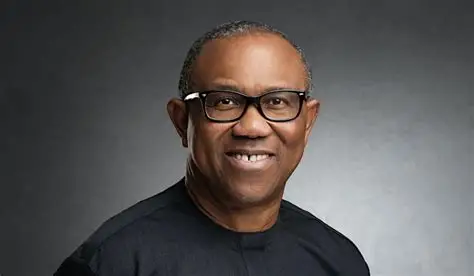
Peter Obi, presidential candidate of the Nigeria Democratic Congress, has clarified his position on fuel subsidy ahead of the 2027 election, saying he would retain the subsidy if elected but remove the corruption he believes has undermined the scheme.
Speaking during an interview with the BBC on Tuesday, Obi said his position should not be interpreted as a complete reversal of his earlier opposition to the way the subsidy system was operated. He argued that his concern has consistently been the corruption associated with the policy rather than the idea of providing relief to Nigerians through government intervention.
Asked directly whether he would bring back the subsidy if elected president, Obi answered in the affirmative, while stressing that his administration would first tackle the alleged leakages and corruption surrounding the scheme.
“Yes. But remember, I have qualified it, not with the corruption that’s associated with it. I’ll remove the corruption and retain the subsidy,” he said.
The latest declaration comes after months of debate over the position of the NDC on petrol pricing. In September, Obi’s running mate, Rabiu Kwankwaso, had already said an administration led by Obi would reintroduce subsidy in a different form, with greater emphasis on domestic refining and petroleum production. The NDC and Obi’s camp subsequently backed the proposal.
Obi’s latest position also differs from comments he made in August, when he argued that the mismanagement of proceeds from subsidy removal should not be used as a reason to reverse the policy. At the time, he said the resources recovered from the removal should instead have been redirected towards areas such as healthcare and other national priorities.
The former Anambra State governor has now framed his proposed approach around transparency and accountability. He previously said that, under an NDC administration, the government would establish a system for monitoring crude oil production, imports, exports, transactions and revenues in order to determine the true cost and volume of petroleum activities.
“Kwankwaso and I will initiate a work plan that would transparently arrive at the quantum of crude, nature of transactions, import and export, and revenue accruing from every single oil and gas transaction and activity for the benefit of Nigerians,” Obi said in September.
The debate over subsidy has become one of the major economic issues ahead of the 2027 presidential election. President Bola Tinubu ended the petrol subsidy in his May 29, 2023 inauguration address, declaring that “subsidy is gone.” The decision subsequently triggered a sharp increase in petrol prices and contributed to higher transportation and living costs, while the administration has maintained that the reform was necessary to address the financial burden of the subsidy system.
Obi’s latest proposal therefore does not amount to a return to the previous system without changes. His position is that government intervention in petrol pricing can continue, provided the system is transparent and protected from the corruption he says previously prevented Nigerians from receiving the full benefit.
The subsidy debate is also emerging as a clear point of difference among the major presidential contenders. While Obi has proposed retaining subsidy under a more transparent framework, Atiku Abubakar has also promised to restore subsidy, with his camp proposing an intervention tied more closely to domestic crude production and refining. Other candidates, including Seyi Makinde, have rejected a return to the old subsidy model and proposed alternative measures to reduce the cost of locally refined petrol.
Beyond the subsidy issue, Obi also used the BBC interview to defend his approach to fighting corruption, saying he would begin by ensuring that he and his immediate family were not involved in corrupt practices.
“If you are not stealing, if you are not involved, your wife and family are not involved, you reduce it by 50 per cent,” he said.
With the 2027 election approaching, Obi’s latest comments place the management of fuel prices, subsidy and the petroleum sector firmly at the centre of his economic message. His proposed model is based on retaining government support for consumers while attempting to eliminate the corruption and lack of transparency he says characterised the previous system.
 Nigeria Shifts Economic Focus Beyond Oil, Tinubu Declares
  Ogun 2027: Rotham Drops Yayi Suit, Puts Ogun West Agenda Ahead of Legal Battle
  Oil Prices Rise Above $106 As Trump Rejects Iran Truce Offer
 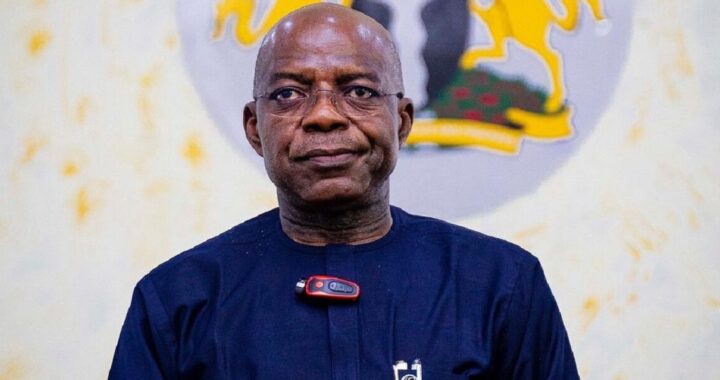 Otti Rules Out Presidency, Says He’ll Quit Politics After Governorship
 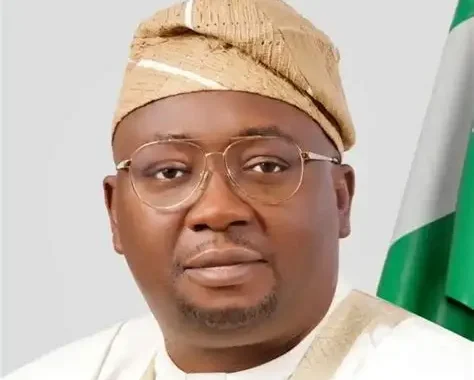 Electricity Subsidy May Near N2tn As FG Freezes Tariff Hike
 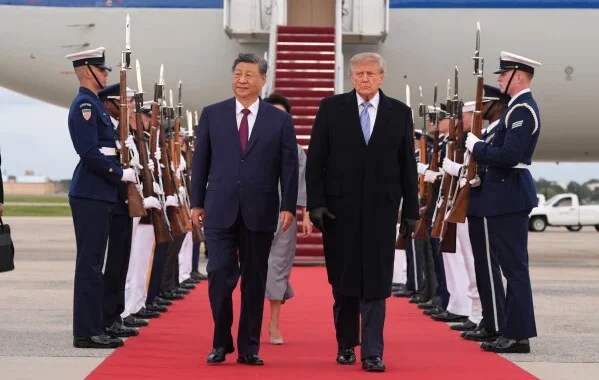 Trump Rolls Out Red Carpet for Xi at White House
 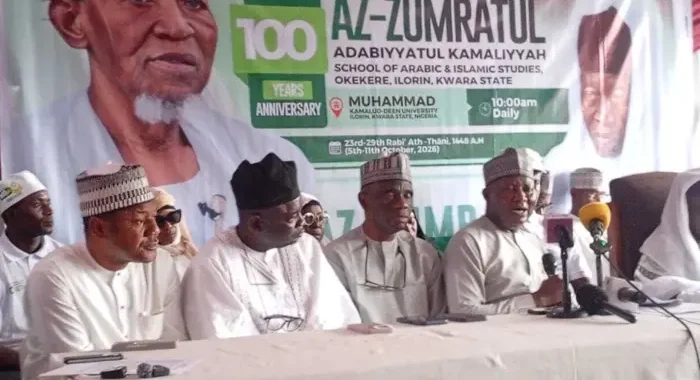 Centenary: Scholars Urge Leaders to Embrace Kamalu-Deen’s Legacy of Education
  Fort Hood Shooter Set for Historic Military Execution as US Army Revives Firing Squad
  Christa Pike Regains Consciousness After Failed Execution as Tennessee Faces Mounting Questions