
Electricity Subsidy May Near N2tn As FG Freezes Tariff Hike

The Federal Government may spend close to ₦2tn on electricity subsidies in 2026 as it maintains its decision not to increase electricity tariffs in the immediate future.
Minister of Power Joseph Tegbe disclosed the position during a media briefing in Abuja while marking his first 100 days in office. He said the government’s immediate priority was to improve electricity supply and strengthen the financial structure of the power sector rather than impose additional costs on consumers.
Tegbe said there were no immediate plans to increase electricity tariffs, stressing that the government was working towards a commercially viable electricity market while protecting vulnerable consumers.
The expected subsidy burden follows the ₦1.93tn electricity subsidy obligation recorded by the Federal Government in 2025, according to the Nigerian Electricity Regulatory Commission’s 2025 Annual Report.
NERC said the 2025 subsidy represented 57.44 per cent of the total invoice issued by the Nigerian Bulk Electricity Trading company during the year. The obligation averaged about ₦160.69bn every month.
The subsidy arises because the tariffs approved for consumers remain below the cost of producing and supplying electricity. The Federal Government covers the difference between the cost-reflective tariff and the amount consumers are allowed to pay.
With the government maintaining the tariff freeze, the subsidy requirement could remain around the ₦2tn mark this year. The burden had already approached that level in 2024 and 2025 despite the introduction of the Band A to E classification system.
Under the current structure, Band A customers generally pay tariffs closer to the cost of supplying electricity, while consumers in the other bands continue to benefit from government support.
The growing subsidy obligation has remained a major issue in the financial crisis affecting Nigeria’s electricity market. Power generation companies have also raised concerns about unpaid obligations and the accumulation of new debts across the sector.
The Association of Power Generation Companies recently warned that fresh liabilities could rise above ₦7tn before the Federal Government completes its proposed ₦4tn Presidential Power Sector Debt Reduction Programme.
The Federal Government has said it is addressing the sector’s financial challenges through debt reduction, metering and infrastructure investments. Tegbe disclosed that the government had raised about ₦1.23tn towards settling part of the sector’s estimated ₦3.3tn debt backlog.
He also said about 350,000 electricity meters were installed during his first 100 days in office, bringing the total number installed under the current effort to more than one million as of August 2026.
The government has also said it intends to improve major transmission corridors, including the Lagos, Enugu-Port Harcourt and Abuja-Kaduna-Kano routes, while work begins on a proposed Transmission Super Grid.
Earlier, Tegbe said the Federal Government was targeting an end to the electricity subsidy regime in 2027 while insisting that the planned reform should not translate into an immediate tariff increase.
The government’s approach therefore places the immediate focus on improving supply, reducing the sector’s debt burden and strengthening infrastructure while consumers continue to receive electricity at tariffs below the full cost of supply.
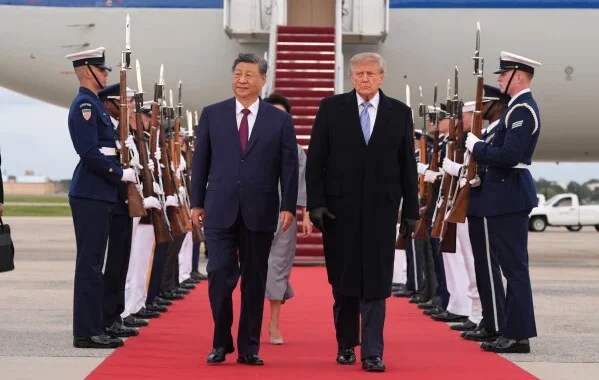 Trump Rolls Out Red Carpet for Xi at White House
  Wike Denies Rigging 2023 Election, Defends G5 Strategy
  Tinubu, Macron Hold Private Dinner As Nigeria-France Relations Take Centre Stage
  2027: Toyin Abraham Rejects Inclusion In Lagos APC Campaign Council
  Wike, APC Governors Clash Over 2027 Political Strategy
  US Weapons Stocks Under Pressure After Iran War
  Anthony Joshua Steps Up ‘Torture’ Training Ahead of Fury Fight
  NDLEA Busts Nigerian-Mexican Meth Lab in Enugu
  Electricity Subsidy May Near N2tn As FG Freezes Tariff Hike