
FG Considers Retaliatory Measures Against South Africa Over Rising Xenophobic Attacks

The Federal Government has said it is considering possible retaliatory measures against South Africa following renewed xenophobic attacks targeting Nigerians and other foreign nationals living in the country.
The Minister of Foreign Affairs, Ambassador Bianca Odumegwu-Ojukwu, disclosed this while speaking on the growing tension and worsening treatment of Nigerians residing in South Africa, noting that the situation has become a serious diplomatic concern for Nigeria.
She explained that the Federal Government is unhappy with the reported harassment, looting of businesses, and intimidation of Nigerians, adding that many affected citizens are law-abiding residents engaged in legitimate businesses.
According to her, there are ongoing discussions at the highest levels of government on how Nigeria should respond, including the possibility of reviewing certain aspects of its bilateral relationship with South Africa.

Odumegwu-Ojukwu stressed that Nigeria’s position is driven by repeated attacks on its citizens and what she described as insufficient action by South African authorities to protect foreign nationals from violence.
She also rejected claims that many of the affected Nigerians were illegal migrants, insisting that a large number of them are legally resident and contributing to economic activities in their host communities.
The minister recalled Nigeria’s historical support for South Africa during the anti-apartheid struggle, saying such contributions should be considered in ongoing diplomatic engagements between both countries.
Meanwhile, the Federal Government is continuing its evacuation plan for Nigerians willing to return home, with over 1,000 citizens reportedly registering for repatriation as tensions continue to rise in parts of South Africa.
Authorities say diplomatic channels remain open, and Nigeria is working with South African officials to ensure the safety of its citizens while also exploring long-term solutions to the crisis.
The development adds to growing calls across Africa for stronger regional cooperation to address xenophobia and improve the protection of migrant communities.
 Remi Tinubu Honoured with Anambra Chieftaincy Title
  Tinubu Mourns Peter Onwubuariri, Presidential Media Aide Dies At 48
  Peter Obi’s Convoy Blocked In Benue As Sowore Condemns Incident
 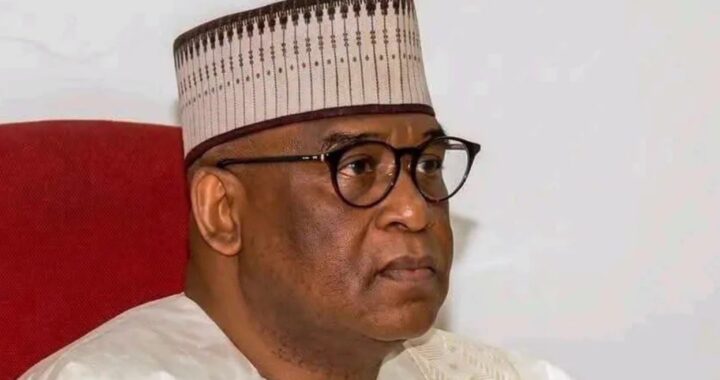 Former Katsina Senator Bello Mandiya Dies At 62
  UNIZIK Lecturers Begin Indefinite Strike Over Unpaid August Salary
  Kwara Police Seek More Vehicles, Equipment To Strengthen Fight Against Crime
  2027: Governorship Campaigns Begin As Candidates Unveil Fresh Promises
  New York Student Sentenced To One Year In Dubai Prison Over Airport Incident