
Ojude Oba 2026: Festival Holds Amid Awujale Succession Tension
By Ranti Thomas
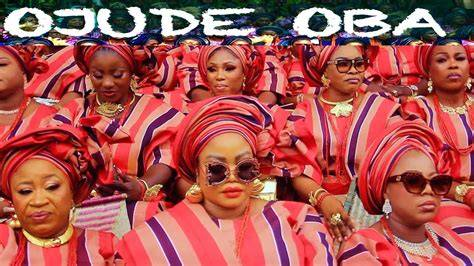
Ojude Oba is one of the biggest cultural festivals in Nigeria. It is held every year in Ijebu-Ode, Ogun State, and brings together thousands of people including families, traditional groups, celebrities, business leaders, and visitors from across Nigeria and abroad.
The festival means “The King’s Forecourt,” and it is traditionally a day when the people of Ijebuland gather to pay respect to their monarch, the Awujale of Ijebuland. For many years, the Awujale sits at the centre of the celebration while different groups come forward to greet him in colourful and well-organised displays.
Ojude Oba started many years ago, around the late 1800s, when Muslim converts in Ijebuland began visiting the Awujale after Eid-el-Kabir. They came to show respect and appreciation for being allowed to practice their religion freely. Over time, this small act grew into a large cultural festival that now attracts national and international attention.
Today, the festival is more than a royal greeting. It has become a major cultural and social event that shows the pride, unity, fashion, and history of the Ijebu people. It also plays a big role in tourism and business, as hotels, transport operators, and traders make significant income during the celebration.
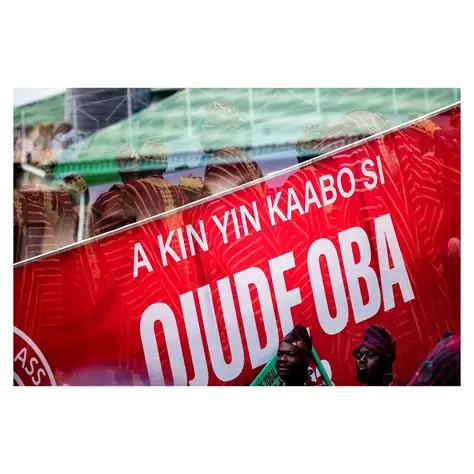
One of the biggest highlights of Ojude Oba is the Regberegbe groups. These are age-grade associations where people born around the same period come together. They dress in matching outfits, prepare for months, and present themselves in front of the king in very organised and colourful parades.
Another major attraction is the horse-riding display by the Balogun families. These riders come out in traditional warrior clothing on decorated horses, showcasing bravery and the historical military background of the Ijebu people.
For decades, all attention during Ojude Oba has been on the Awujale, Oba Sikiru Kayode Adetona, who ruled from 1960 until his passing. Under his leadership, the festival grew into one of the most respected cultural events in Africa.
However, the 2026 edition of Ojude Oba is taking place without a sitting Awujale. This is because the throne is currently vacant following the passing of the long-reigning monarch.
This has changed the mood of the festival slightly, as attention is now shifting from celebration to the question of who becomes the next Awujale of Ijebuland.
Different royal families and stakeholders are already involved in discussions and disagreements over the succession process. The selection of a new king is now a major topic in Ijebuland.
There are also reports of interest from some public figures, including Fuji musician Wasiu Ayinde Marshal, popularly known as KWAM 1, whose name has been linked to discussions around the throne, though the matter has also caused controversy and legal debates.
Some court-related issues have also slowed down the process, as different groups argue over eligibility and traditional rights connected to the Awujale stool.
Because of these tensions, many observers believe the installation of a new Awujale may take time and could be influenced by wider political considerations ahead of the 2027 elections.
Despite all the issues around the throne, Ojude Oba continues to hold strong. Thousands of people still attend the festival every year, and it remains one of the most popular cultural events in Nigeria.
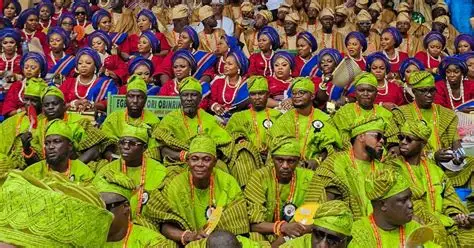
Social media has also helped push the festival to a wider audience, with photos and videos of fashion, horses, and performances going viral every year.
For many people, Ojude Oba is not just a festival but a symbol of identity, pride, and unity for the Ijebu people.
Even without a king on the throne this year, the celebration continues, showing how deeply rooted the culture is and how important it remains to the people of Ijebuland.