
US Airstrikes Trigger Terrorist Flight
By Wellington Jopelo
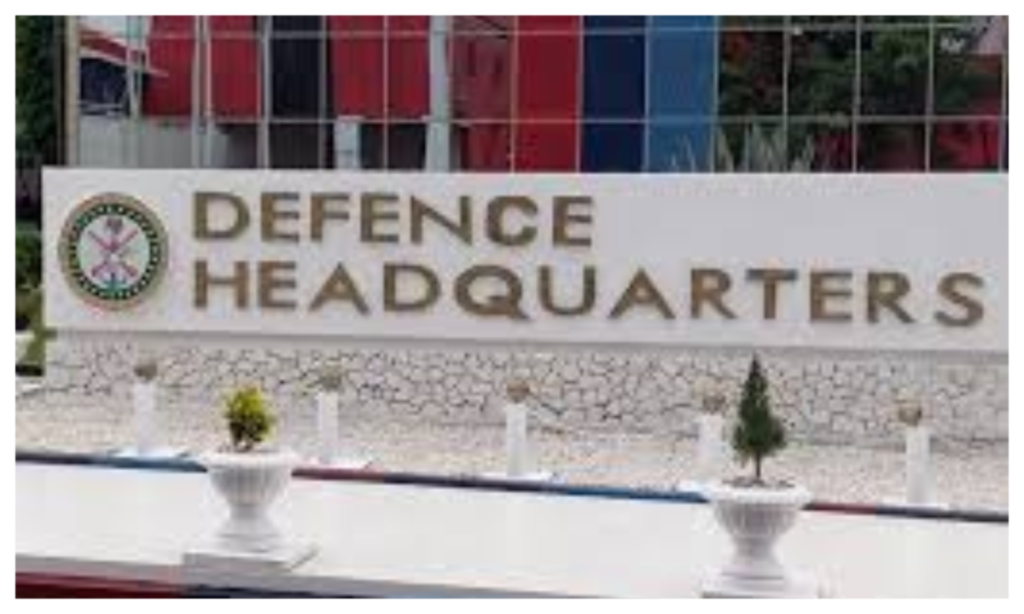
The Nigerian military has intensified surveillance operations to track Boko Haram and Islamic State for West Africa Province (ISWAP) fighters fleeing their camps after recent United States airstrikes, it has been learnt.
Senior military sources confirmed that intelligence reports showed movements of terrorists away from their hideouts following the Christmas Day strikes announced by US President Donald Trump and later acknowledged by the Federal Government as part of counterterrorism cooperation.
Reports from several communities indicated unusual movements after the attack. Traditional authorities in Gwer West Local Government Area of Benue State raised alarm over the presence of armed herders entering some villages, while residents of Tangaza, Gudu and parts of Illela in Sokoto State also noticed suspected fighters relocating in small groups through forest routes and border areas.
Military officials, however, said the situation was under control. One senior officer said, “We are aware they are fleeing. Their movements are being monitored and tracked.” Another officer added that intelligence, surveillance and reconnaissance operations were ongoing to ensure the terrorists did not regroup or attack new areas.
The airstrikes have also renewed debate over possible deployment of US troops to Nigeria. The Minister of Foreign Affairs, Yusuf Tuggar, recently said the Ministry of Defence would advise the government on the next steps if such an option was considered.
Retired Brigadier-General Peter Aro warned against allowing foreign troops into Nigeria, saying it could have serious legal and social consequences. “I strongly do not support the deployment of US soldiers on Nigerian soil. Foreign troops can deepen mistrust and fuel propaganda,” he said, adding that Nigeria needed support in air power and surveillance, not foreign boots on the ground.
Another retired officer, Brigadier-General Bashir Adewinbi, disagreed, saying international security cooperation was normal. He described the Christmas Day strike as a joint effort and said collaboration could help improve security if properly defined. “If it will solve our problem, and there is a need, then collaboration is the answer,” he said.
Also reacting, a former Nigerian Air Force spokesman, Group Captain Sadique Shehu, criticised calls for US troops to fight in Nigeria. He said the country should seek technical support, not depend on foreign soldiers. “If we are talking about their soldiers coming to fight for us, then the country is finished,” he said, adding that there was no confirmed report yet on terrorist casualties from the strike.
Meanwhile, a US congressman, Riley Moore, defended the airstrikes, saying they were meant to restore peace and protect vulnerable communities. He said the operation, carried out in coordination with Nigeria, had given hope to Christians facing violent attacks.
Military authorities maintained that Nigerian forces remained in charge of ground operations and assured citizens that all terrorist movements were being closely watched.