
Six GOP Representatives Oppose Trump’s Plan to Impose Tariffs on Canada
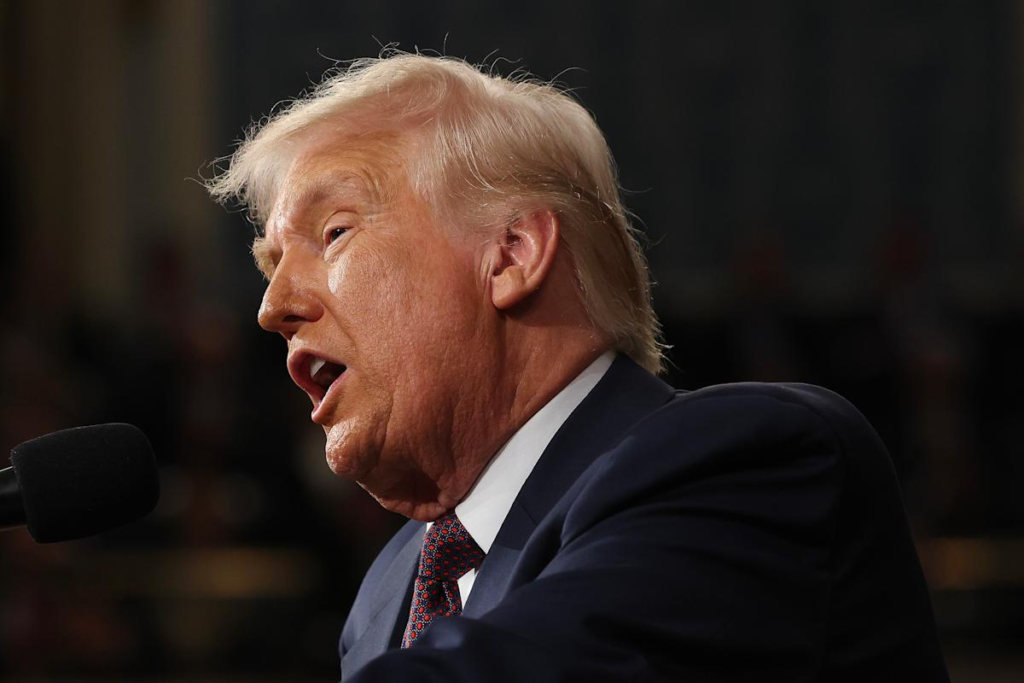
Six Republican lawmakers joined Democrats in a rare vote to challenge President Donald Trump’s tariff policy on Canada, sending a clear signal that not everyone in his party supports the trade measures he has made central to his second term.
The vote aimed to cancel the tariffs placed on Canadian goods, a move that has quietly caused tension within the Republican Party as concerns grow over the economic impact on farmers, manufacturers and consumers.
Despite pressure from party leaders and the White House, the lawmakers went ahead with the vote, showing that cracks are beginning to appear within the GOP over Trump’s aggressive trade stance.
President Trump reacted swiftly, warning on social media that any Republican who votes against his tariff plans could face consequences during future elections, including possible primary challenges.
The Speaker of the House, Mike Johnson, later claimed that the president was not upset and noted that Trump still has the power to veto the measure if it passes through Congress.
The six Republicans who voted against the tariffs said they were acting in the best interest of their constituents. Some pointed to rising costs of farm inputs, equipment and materials linked to the trade restrictions with Canada.
One of the lawmakers explained that his district’s farmers and steel producers have been hit hard, saying the decision was based on what was right for his people, even if it carried political risks.
Another lawmaker, who is retiring at the end of his term, said his state’s close trade relationship with Canada has suffered as prices for essential goods have increased since the tariffs were introduced.
Earlier predictions suggested that as many as 30 Republicans might join the rebellion, but mounting pressure from party leadership reduced the final number to just six.
Although the Senate has passed a similar measure, the House vote did not secure enough support to override a presidential veto, meaning the tariffs are likely to remain in place.
Some Republicans used the vote not only to oppose the tariffs but also to reassert Congress’ authority, arguing that decisions on trade should not be left solely to the White House.