
Kwankwasiyya Movement Protests Inclusion of Kwankwaso’s Name in U.S. Bil
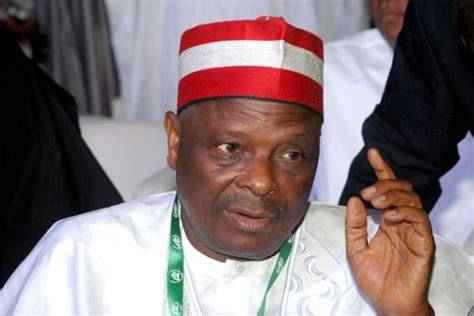
The Kwankwasiyya Movement has rejected a move by five United States lawmakers to blacklist its leader, Senator Rabiu Musa Kwankwaso, over alleged severe religious freedom violations in Nigeria. The group described the action as unfounded and politically motivated, and demanded that his name be removed from the proposed U.S. bill.
The bill, titled the Nigeria Religious Freedom and Accountability Act 2026 (HR 7457), was introduced in the U.S. Congress on Tuesday. If passed, it would require the U.S. Departments of State and Treasury to impose visa bans and freeze the assets of Kwankwaso and some groups, including the Miyetti Allah Cattle Breeders Association (MACBAN), over alleged persecution of Christians.
In a statement issued on Thursday, the movement insisted that there is no evidence linking the former Kano State governor to religious persecution or extremism. Spokesperson Habibu Sale Mohammed said the allegations do not match Kwankwaso’s public record and called on U.S. lawmakers to immediately remove his name from the bill.
The group responded to claims by U.S. Representative Riley Moore, one of the sponsors of the bill, who reportedly linked Kwankwaso to religious extremism because Sharia law was implemented during his time as governor of Kano State. The movement said this claim was misleading.
It explained that the development of Sharia-based legal systems in parts of northern Nigeria was constitutional and not unique to Kano State. According to the statement, the system was not introduced by one individual but followed existing legal provisions.
The movement said singling out Kwankwaso while similar systems exist in other states raises serious questions about the fairness and evidence behind the recommendation. It added that all such legal systems remain under constitutional oversight and subject to appeal in higher courts.
Defending Kwankwaso’s record, the group stated that he has never been indicted, prosecuted, or credibly accused of religious persecution or human rights violations. It said that during his time in office, he took steps to address security challenges and protect lives and property across religious lines.
The statement also pointed to his choice of Bishop Isaac Idahosa as his running mate in the 2023 presidential election as proof of his commitment to religious inclusion and national unity.
The movement further argued that the United States maintains relations with many countries that operate legal systems influenced by Islamic law. It said Nigeria’s constitutional system should not be treated differently without clear and specific evidence of wrongdoing.
The bill was introduced by Representatives Chris Smith, Riley Moore, Brian Mast, Mario Diaz-Balart, and Bill Huizenga. According to details published on the U.S. Congress website, the proposed law claims that Kwankwaso contributed to systemic religious persecution in Nigeria, an accusation his supporters strongly deny.