
IGP Confirms Surveillance of Local Islamic Groups Amid Gulf Conflict
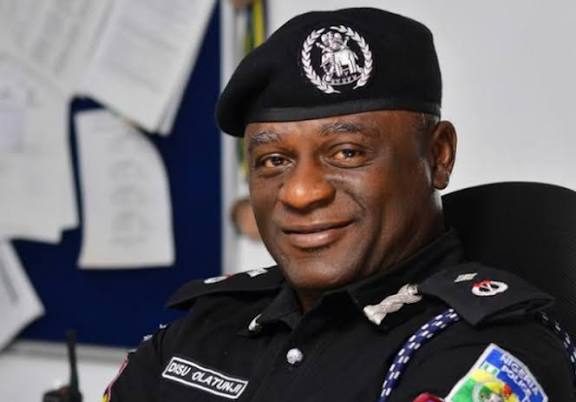
The Inspector-General of Police, Olatunji Disu, has disclosed that the Nigeria Police Force is closely monitoring Islamic groups with ties to Middle Eastern countries following the escalating US-Israel-Iran conflict.
Disu made the revelation on Wednesday after taking the oath of office at the Council Chambers, State House, Abuja, warning that developments in the Middle East could have repercussions in Nigeria.
“Everywhere in the world, we are aware that this is what we call intelligence policing. Our ears are to the ground. We know we have groups of people, different kinds of Islamic sects in Nigeria. We have those who pay allegiance to this eastern part of the world as well,” he said.
He added that the police are taking proactive steps to prevent violent protests or attacks inspired by the Middle East crisis, including visible patrols and engagement with community leaders to ensure the law is upheld.
The IGP’s statement comes amid heightened tensions following US and Israeli airstrikes on Iranian targets and Iran’s retaliatory missile attacks on Israeli and American military installations. Several countries, including China, the UK, and the US, have advised their citizens to leave Iran and avoid travel to the region.
Nigeria hosts significant Islamic groups with ideological and organisational ties to Middle Eastern countries. The Islamic Movement in Nigeria, led by Sheikh Ibrahim El-Zakzaky, is known for its pro-Iranian stance, while several Sunni groups maintain links with Saudi Arabia and other Gulf states.
Historically, Middle East conflicts have triggered protests in Nigeria, particularly in northern states. Previous Israeli-Palestinian conflicts in 2008-2009, 2014, 2021, and the ongoing conflict since October 2023 saw thousands of Nigerians protesting in cities including Kano, Kaduna, Sokoto, Abuja, and Lagos. Some demonstrations turned violent, leading to clashes with security forces and property damage.
Disu also disclosed that he has established a committee to develop the Nigeria Police Force’s position on the proposed State Police. “We want to ensure that the best thing is done,” he said, emphasising that State Police is seen as a partnership rather than a threat to the existing force.
On officers’ welfare, Disu pledged to prioritise motivation, noting the demanding and dangerous nature of policing. “Our jobs are very difficult. Men sleep out. A lot of people don’t have time to go back to their families. So welfare is very, very vital,” he said, adding that he is working with a president committed to supporting the police.
President Bola Tinubu has repeatedly called for constitutional amendments to establish State Police, describing localised solutions as key to addressing Nigeria’s security challenges.