
What Tinubu’s 2026 Budget Means
By Wellington Jopelo
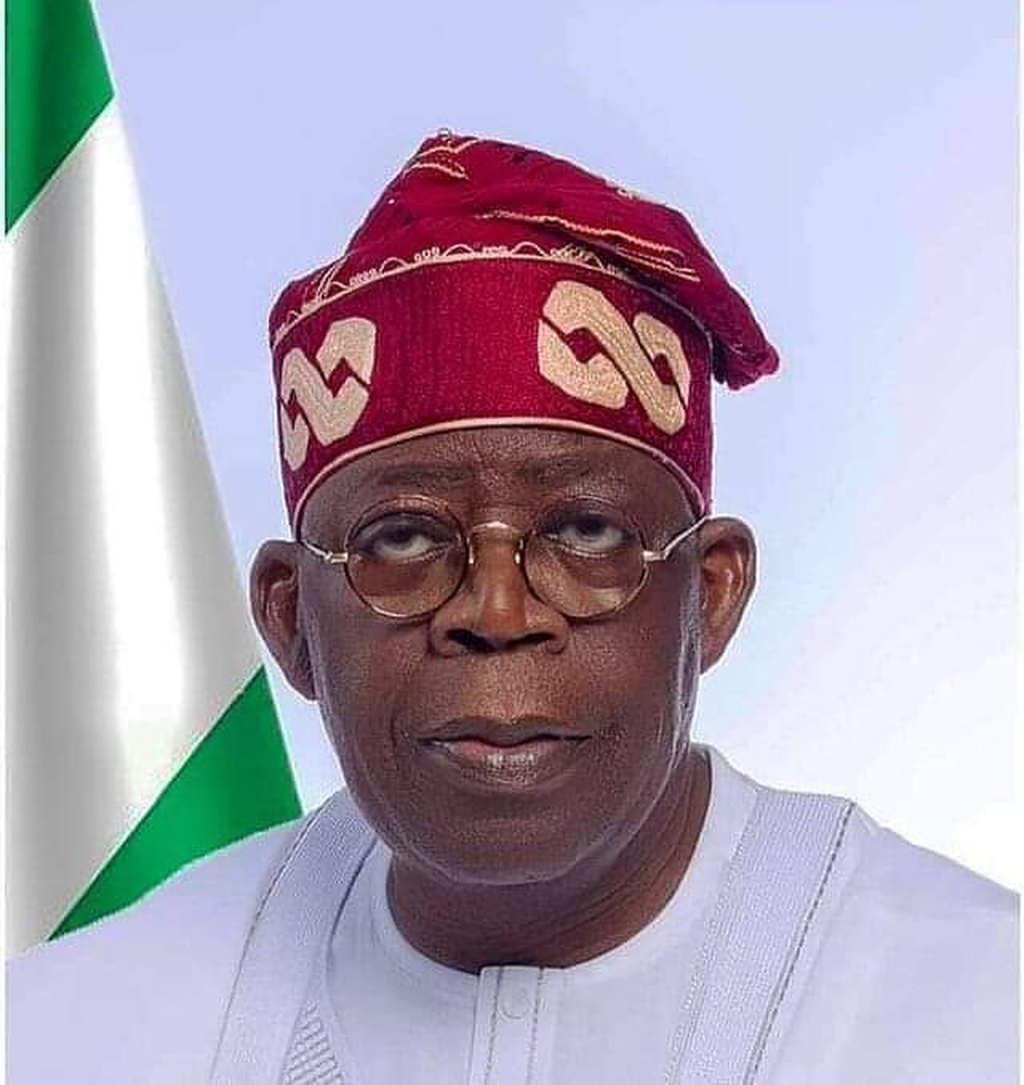
President Bola Tinubu has presented the 2026 Appropriation Bill to the National Assembly, describing the budget as one built on realism, careful spending, and long-term economic growth.
The proposal outlines the government’s spending priorities for the year and reflects the administration’s broader economic direction.
Details of the budget were later shared by the President’s Special Adviser on Media and Publicity, Bayo Onanuga, in a post on X. According to the post, the federal government expects total revenue of ₦34.33 trillion in the 2026 fiscal year, while total expenditure is projected at ₦58.18 trillion. Of this amount, ₦15.52 trillion has been set aside for debt servicing.
The budget shows that recurrent spending, excluding debt servicing, is estimated at ₦15.25 trillion, while capital expenditure is pegged at ₦26.08 trillion. These figures, according to the presidency, reflect a balance between meeting immediate government obligations and investing in long-term development.
The post further disclosed that the budget deficit is projected at ₦23.85 trillion, representing about 4.28 per cent of Nigeria’s Gross Domestic Product. Explaining the thinking behind the figures, it stated that “the 2026 Federal Budget is anchored on realism, prudence, and growth.”
It added that “these numbers are not mere accounting lines. They are a statement of national priorities,” stressing the government’s commitment to fiscal discipline, transparency in debt management, and responsible spending. The post noted that the administration remains focused on ensuring value for money in every naira spent.
According to the presidency, the 2026 budget was developed using the 2026–2028 Medium-Term Expenditure Framework and Fiscal Strategy Paper. The projections, it said, were based on cautious assumptions, including a crude oil benchmark of 64.85 dollars per barrel, daily oil production of 1.84 million barrels, and an exchange rate of 1,400 naira to the US dollar.
“We will continue to reduce waste, strengthen controls, and ensure that every naira borrowed or spent delivers measurable public value,” the post added, highlighting the government’s approach to managing public funds.
On sectoral spending, the budget places strong emphasis on areas considered critical to national stability and growth. Defence and security received ₦5.41 trillion, infrastructure was allocated ₦3.56 trillion, education ₦3.52 trillion, and health ₦2.48 trillion.
Explaining the logic behind these allocations, the post stated that “these priorities are interlinked,” noting that security is necessary for investment, education and health are key to productivity, and infrastructure is essential for job creation and business growth.
Overall, the presidency said the 2026 budget was designed to function as “a single, coherent programme of national renewal,” aligned with the administration’s Renewed Hope Agenda and aimed at addressing the practical needs of Nigerians while supporting sustainable economic progress.
 Nigerian Woman Faces US Court Over Illegal Voting Allegations
  Senior EFCC Officer Faces Probe Over Abuse Of Office, Unexplained Wealth
  China Rejects Claims Of Helping Iran Target US Troops
  Anambra Mother Arrested After Husband Discovers Alleged Abuse
  Tinubu Heads To Paris As European Vacation Continues
  Dangote Refinery Raises Petrol Price Again To N1,350
  Lagos-Ibadan Expressway Gridlock Deepens As Kara Repairs Continue
  Yobe Police Arrest 240 Suspects, Secure 198 Convictions
  Four Killed In Lagos-Ibadan Expressway Crash