
Opposition Parties Raise Concerns Over Unequal Campaign Access Ahead Of 2027
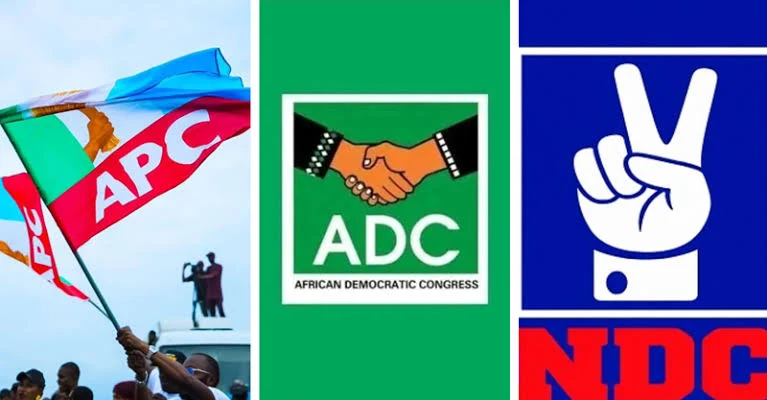
The battle for political space ahead of the 2027 general elections is taking a new dimension, with opposition parties accusing some state governments of making it difficult for them to organise rallies, hold meetings and promote their candidates.
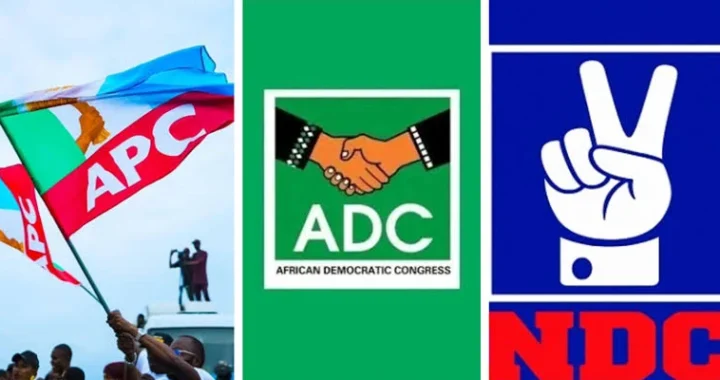
The complaints by the African Democratic Congress (ADC) and the Nigeria Democratic Congress (NDC) have brought the management of public facilities and campaign advertising spaces into the centre of the political debate, raising questions about whether all parties will enjoy equal opportunities as election activities intensify.
The dispute has been reported in Kaduna, Kano, Jigawa, Sokoto, Gombe and Ekiti, where opposition leaders claim that applications to use public venues have been rejected, campaign billboards removed and political meetings disrupted.
For the ADC, the alleged restrictions have become a major concern as it attempts to build its national campaign around former Vice-President Atiku Abubakar and reach voters across different parts of the country.
In Kaduna, the party said it had been denied permission to use a government-owned facility for a proposed presidential rally for the second time. The development reportedly forced the organisers to postpone the event.
The party’s spokesperson, Abdulwaheed Adubi, questioned why a former vice-president and other opposition leaders should be prevented from using facilities constructed with public funds. He argued that such properties should serve Nigerians and political parties without discrimination.
The situation has also generated complaints in Ekiti, where the ADC said its request to use Ekiti Parapo Pavilion for a rally involving Atiku and his running mate, Rotimi Amaechi, was rejected. The explanation reportedly given was that the facility had already been booked until the end of March 2027.
The party’s state publicity secretary, Olonila Benjamen, maintained that public facilities should be accessible to political organisations under fair conditions, irrespective of their political affiliations.
In Kano, the disagreement centres partly on campaign advertising. The ADC alleged that a billboard belonging to one of its candidates was removed despite the payment of the necessary fees. The party also complained about difficulties in accessing public facilities and advertising locations.
Jigawa has recorded similar complaints, with the state ADC chairman, Sani Gumel, alleging that applications to use public venues and erect campaign billboards had repeatedly been rejected. He said the situation was affecting the party’s publicity and mobilisation efforts.
In Sokoto, the ADC claimed it was forced to hold a presidential campaign flag-off by the roadside after failing to secure some of the public venues it had approached. The party listed Gingiya Memorial Stadium, Race Course Square and the Trade Fair Complex among the facilities it sought to use.
It also alleged that hotel owners were instructed not to accommodate some of its supporters and visitors. The state Commissioner for Information, Bello Danchadi, rejected the claim, explaining that the government had not issued such a directive and suggesting that some hotels could have been occupied by visitors attending activities marking the Sultan’s 20th anniversary on the throne.
Gombe has also witnessed tension following the relocation of a town hall meeting organised by the NDC for its presidential candidate, Rabiu Kwankwaso. The party alleged that pressure from the state government forced the owners of the original venue to withdraw their facility shortly before the meeting.
The ADC in the state also accused the government of intimidating its members. However, the APC Publicity Secretary in Gombe, Murtala Usman, dismissed the allegations, insisting that opposition parties were free to organise meetings and campaign across the state.
The controversy has now extended beyond access to campaign venues, following reports of arrests involving ADC supporters in Tudun Wada, Zaria. Atiku has called on the police to disclose the whereabouts of three party members reportedly being held and explain the allegations against them.
He also demanded the release of the son of ADC chieftain Isma’il Sahabi if, as alleged, he was arrested because security operatives could not locate his father. The former vice-president described such an action as unacceptable and urged the authorities to respect the rights of citizens.
The Presidency rejected Atiku’s claims, describing them as politically motivated allegations and insisting that the Tinubu administration remained focused on governance, economic reforms and national security. It also urged opposition leaders to engage Nigerians through their policies rather than what it called unsubstantiated claims.
The exchange has added to the growing political tension between the APC and opposition parties as preparations for the next general election continue.
For political observers, the dispute over campaign venues is significant because access to public infrastructure can influence the ability of parties to organise large gatherings, communicate with supporters and present their candidates to voters. While private venues remain an option, opposition parties argue that government-owned facilities should not become inaccessible on account of political differences.
The responsibility therefore rests on state authorities to ensure that applications for public facilities are handled through transparent and consistent procedures. Clear booking arrangements, reasonable charges and equal treatment would help prevent allegations of political favouritism.
The opposition parties, on their part, will also need to provide evidence where they allege unlawful restrictions and pursue available legal channels where necessary.
With Atiku’s campaign activities scheduled to continue in different states, the dispute is unlikely to disappear soon. The ADC’s proposed rally in Kogi was scheduled for November 24, while its Jigawa governorship candidate, Senator Sabo Nakudu, requested more time to complete mobilisation and logistical arrangements before Atiku’s planned visit.
Ultimately, the 2027 contest will be judged not only by the conduct of elections but also by the political environment in which parties prepare for them. Whether the ruling party and opposition groups can operate under the same rules will remain an important measure of confidence in Nigeria’s democratic process.
 Tinubu Targets Igbo Votes As 2027 Campaign Gathers Momentum
 Abba Yusuf Reopens Political Rift with Kwankwaso Over Tinubu Deal
 Democrats’ Historic US Midterm Victory Puts Pressure On Jeffries
 Akpabio Challenges Amaechi Over NDDC Funds
 Why Court Invalidated Mark’s ADC Leadership
 US Adds 24 Nigerians To Deportation Register, Total Rises To 157
 Opposition Parties Raise Concerns Over Unequal Campaign Access Ahead Of 2027