
Obasanjo Recounts Abacha’s Arrest And Prison Ordeal
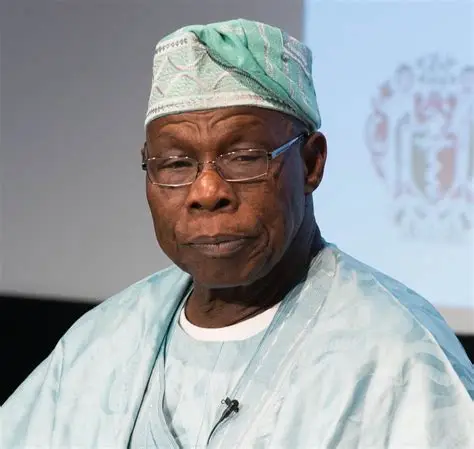
Former President Olusegun Obasanjo has recounted how he rejected an offer of political asylum from the United States before returning to Nigeria, where he was arrested and imprisoned under the late military ruler, General Sani Abacha.
Obasanjo said he turned down the offer because he believed he had committed no offence that justified seeking refuge outside the country.
The former president shared the experience while reflecting on his arrest during Abacha’s military regime in an interview published by BBC News Pidgin.
He explained that after leaving office as military Head of State in 1979, he retired from the Nigerian Army at the age of 42 as a four-star general and decided to venture into farming.
According to him, his farming business was doing well until the Abacha government moved against him.
Obasanjo said he was travelling back to Nigeria when the American ambassador informed him that the United States government was prepared to grant him political asylum because of the danger of returning home.
The ambassador reportedly warned that he would be arrested if he came back to Nigeria.
However, Obasanjo said he rejected the offer, insisting that he had done nothing wrong and had no reason to seek political protection abroad.
He recalled that upon his return, his international passport was seized before he proceeded to his farm.
At the farm, his security personnel informed him that government security operatives had surrounded the premises.
He said a police officer dressed in civilian clothes later approached him, claiming that an Assistant Inspector-General of Police had invited him to assist with an investigation.
Obasanjo said he rejected the manner in which the invitation was conveyed, arguing that the senior police officer should have personally come to see him if he needed his assistance.
He eventually drove himself to the police station, where the AIG informed him that he had received instructions to arrest him.
The former president also recalled the intervention of former United States President Jimmy Carter, who reportedly appealed to Abacha on his behalf.
According to Obasanjo, Carter’s intervention initially led to his transfer to house arrest after he had been held at an undisclosed location.
However, the situation later changed when security operatives arrived at about 1am while he was playing squash and took him away to prison.
Obasanjo said he only later understood that the military government did not want certain individuals to remain free because their continued freedom made the regime feel insecure.
His imprisonment occurred during Abacha’s rule, which lasted from November 1993 until his death in June 1998.
Following Abacha’s death, Obasanjo was released from prison and later contested the 1999 presidential election under the Peoples Democratic Party.
He won the election and was inaugurated on May 29, 1999, becoming Nigeria’s first civilian president of the Fourth Republic.
Obasanjo served two terms in office, leaving power in May 2007.
 Widow Sues Airtel, ATC Over Telecom Mast
 EFCC Begins Nationwide Audit Of 774 LG Councils
 Federal High Court Announces Christmas Vacation Dates
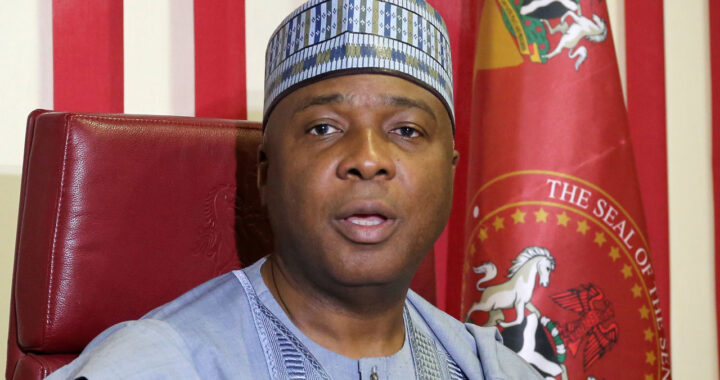 Offa Robbery: Saraki Vows To Fight Remaining Charges
 Power Crisis: DisCos Challenge NNPC, TCN Over Conflicting Explanations
 Bayelsa Clash: Monarch Distances Nembe E&P From Fatal Violence
 CAF Moves Awards Night To December 2 In Lagos
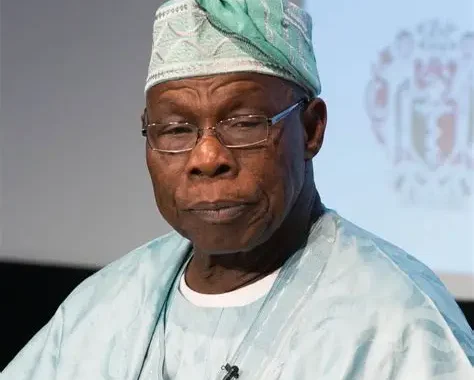 Obasanjo Recounts Abacha’s Arrest And Prison Ordeal