
Brazil Election: Lula Re-Elected to Fourth Presidential Term
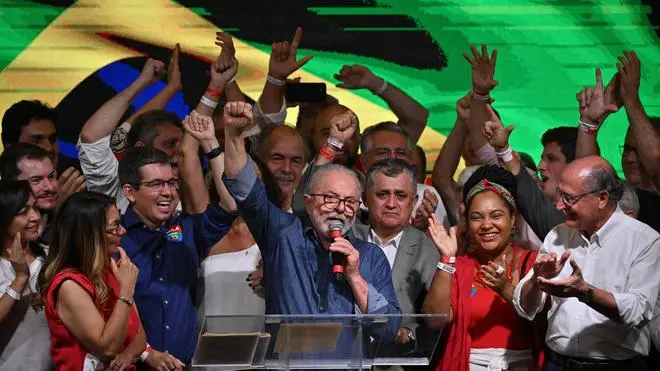
Brazil’s presidential election has entered a tense phase after voting hours were extended nationwide, delaying the counting process and raising the prospect of legal challenges in the closely contested runoff between incumbent President Luiz Inácio Lula da Silva and opposition candidate Flávio Bolsonaro.
The decision to extend voting by two hours on Sunday, October 25, 2026, followed requests from both campaigns over reported difficulties affecting voters in their respective strongholds. The intervention by Supreme Court Justice Cristiano Zanin created confusion at some polling stations, where officials had already closed voting before receiving the extension notice.
Vote counting subsequently resumed, with the dispute over the extension adding another layer of uncertainty to an election that has exposed deep political divisions in Latin America’s largest economy.
Lula’s Workers’ Party said it was considering legal action over what it described as interference in the electoral process. Party chairman Edhinho Silva indicated that the campaign was examining the circumstances surrounding the decision.
Meanwhile, Bolsonaro’s supporters questioned the timing of the ruling. His political ally, Nikolas Ferreira, criticised the intervention and suggested it could affect the electoral outcome. Bolsonaro’s campaign had not issued a formal response to the dispute at the time of the report.
The runoff pits Lula, a veteran left-wing politician seeking another term, against Flávio Bolsonaro, a senator and son of former president Jair Bolsonaro. The contest has become a broader test of the direction Brazil will take on economic policy, public security, social welfare, environmental protection and relations with the United States.
Flávio Bolsonaro entered the second round after leading the first round earlier in October, securing just over 56 million votes against Lula’s approximately 53.9 million. Neither candidate won the majority required to secure the presidency outright.
The campaigns have focused heavily on the cost of living and public security. Bolsonaro has promised a tougher approach to organised crime and measures to reduce food costs, while Lula has defended his social programmes and promoted initiatives intended to ease financial pressure on households and businesses.
The election has also drawn international attention because of the candidates’ differing approaches to foreign relations. Bolsonaro is aligned with US President Donald Trump, while Lula has pursued closer ties with China and resisted what he views as excessive US influence in Brazil’s affairs.
The outcome could therefore shape not only Brazil’s domestic policies but also its diplomatic and economic relationships across Latin America and beyond.
The voting extension has added a legal dimension to the contest, with the possibility of court challenges depending on how the dispute develops. Any such proceedings could place further scrutiny on the decisions taken by electoral authorities during the voting process.
With counting underway, the final outcome remains central to the political future of Brazil, a country of about 214 million people and one of the world’s major emerging economies. The election has highlighted the competing demands of voters concerned about economic hardship, crime, corruption and the broader direction of national leadership.
 Tinubu Urges Focus on Jobs, Productivity as Economic Reforms Continue
 AMCON Trial: Witness Admits Board Approved NG Eagle Sale
 Kosoko Royal Family Disowns Ogombo Land Publication, Warns Public Against TBT Properties
 Panel Confirms Suffocation as Cause of Deaths of 37 Miners in NSCDC Custody
 Trump Ties Norway Immigration Remark to Nobel Peace Prize Snub
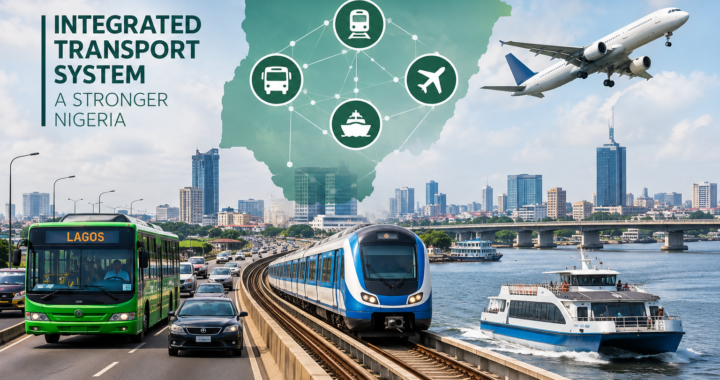 Nigeria’s Transport Crisis Deepens as Integration Stalls