
Nigeria’s Transport Crisis Deepens as Integration Stalls
By Wellington Jopelo
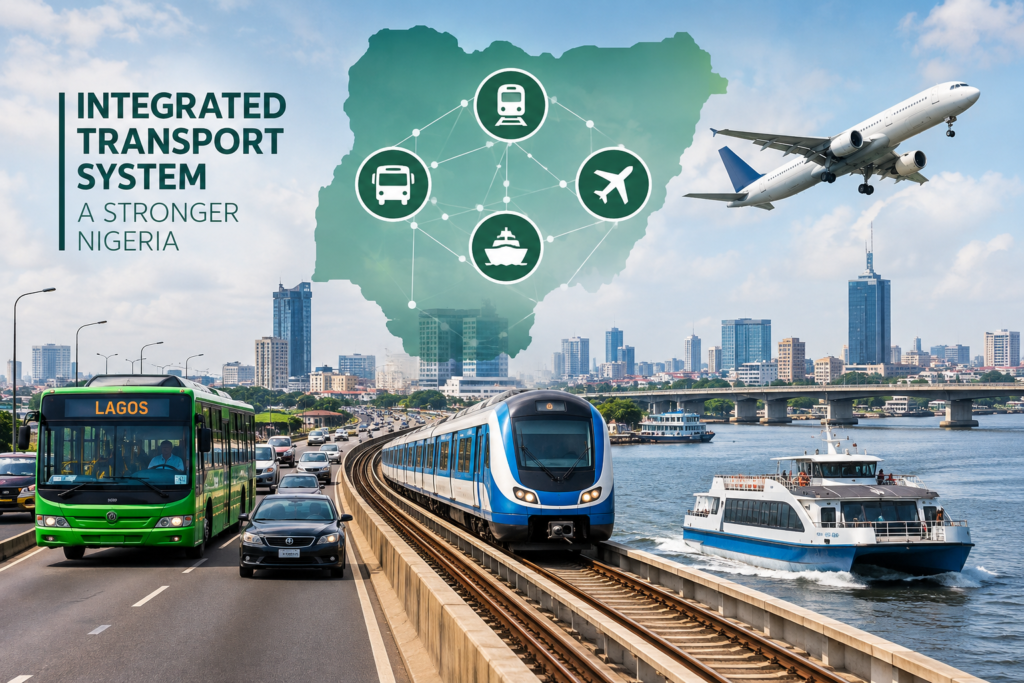
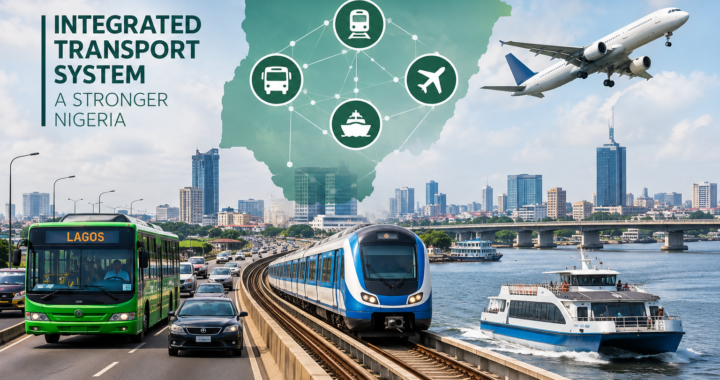
Nigeria’s drive to build an efficient transport network is facing renewed scrutiny, with industry experts warning that weak policy execution and poor coordination continue to undermine efforts to connect the country’s roads, railways, airports and waterways.
The experts raised the concerns at the second edition of a transport summit held in Lagos, where discussions focused on mobility, energy, trade facilitation and the future of the transport sector.
They argued that Nigeria’s challenge extends beyond infrastructure development, pointing to the failure to translate existing policies and proposals into coordinated systems that serve passengers, businesses and freight operators.
Dr Azeez Mustapha, Managing Principal of AZ Logistics, said the country possessed the expertise needed to develop an integrated transport system but lacked the political commitment to ensure that policies were implemented effectively.
He urged governments at all levels to prioritise execution and develop a transport framework suited to Nigeria’s economic conditions, infrastructure gaps and operational realities.
The concerns also extended to the country’s approach to policymaking. Olubowale Ade-Onojobi, Managing Director of Expedite Movers Nigeria Limited, questioned the repeated introduction of policies without clear evidence of consistent implementation.
She said Nigeria could learn from the United Kingdom’s transport system but cautioned against adopting foreign models without adapting them to local needs. In her view, the central issue was whether government institutions could sustain and implement the policies they introduced.
Oluwadamilola Emmanuel, Special Adviser to the Lagos State Governor on Blue Economy, argued that Nigeria did not need to import an entire transport model from another country. Instead, he advocated building on existing initiatives and developing solutions that reflect local circumstances.
The Lagos State Cowry Card was cited as an example of progress towards integration, allowing commuters to pay for journeys across services including Bus Rapid Transit, rail and water transport. Such arrangements demonstrate how common payment systems can make transfers between different modes more convenient.
At the summit, Dr Femi Aiyegbajeje, a senior lecturer at the University of Lagos, highlighted rail-led multimodal integration as a means of improving transport efficiency, trade facilitation and national connectivity.
Participants also called for stronger protection of critical transport infrastructure. Warredi Enisuoh, Executive Director of Operations and Technical at Tantita Security Services Nigeria Limited, advocated incorporating security awareness into basic education and using technologies such as facial recognition systems and long-range thermal drones to protect vulnerable supply chains and infrastructure.
Kingsley Anaroke, publisher of MMS Plus Newspaper, called for Nigerian transport experts to develop a practical framework for connecting transport infrastructure and services. He argued that the country needed to make better use of its existing expertise rather than repeatedly introducing policies without sustained coordination.
The debate carries implications for businesses and ordinary commuters alike. When road, rail, air and water transport operate in isolation, passengers face more difficult journeys while businesses encounter delays and additional costs moving goods between destinations.
For Nigeria, the challenge is therefore not simply to build more transport infrastructure but to ensure that existing and proposed systems work together. Experts at the summit stressed that consistent implementation, institutional cooperation and locally adapted solutions would be essential to turning transport policies into practical economic benefits.
 Arik Air Trial: Court Admits AMCON Board Documents in Kuru’s Defence
 El-Rufai to Defend Himself in Ribadu Phone-Tapping Case
 EFCC Uncovers Four Suspected Illegal Lithium Plants in Ogun, Arrests 15
 Ebola: FG Moves to Expand Treatment Capacity as Contacts Rise to 53
 NAFDAC Finds Over 100 Sacks of Bottles in Lagos Building
 Iyaniwura Urges Senate to Impose Life Sentence on Counterfeiters
 Nigeria’s Transport Crisis Deepens as Integration Stalls