
Editorial: President Bola Ahmed Tinubu — 2026 Independence Day Address
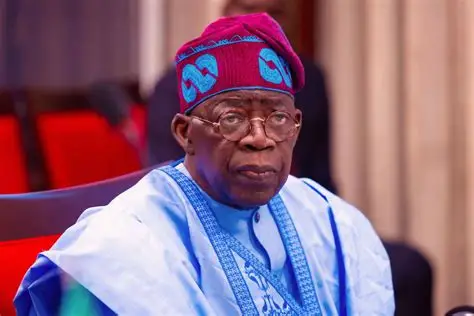
Nigeria @66 — “From Reform to Prosperity”
1 October 2026
The complete official transcript is available from the State House. Because the full speech is copyrighted, this file contains a detailed record/paraphrase rather than a verbatim reproduction.
Official transcript: https://statehouse.gov.ng/from-reform-to-prosperity-independence-day-address-to-the-nation-by-his-excellency-president-bola-ahmed-tinubu-gcfr-1st-october-2026/
Opening and Nigeria at 66
Tinubu marked Nigeria’s 66th Independence Anniversary and reflected on the country’s journey since 1960, including war, military rule, economic crises, insecurity and political upheaval. He praised the resilience of farmers, traders, teachers, entrepreneurs and security personnel.
Meaning of independence
He said independence represents opportunity, dignity, self-determination and a better life, not merely a flag, anthem or international status.
The reform period
Tinubu defended the petrol subsidy removal, foreign-exchange reforms and fiscal measures as attempts to address longstanding economic distortions. He acknowledged that the reforms were difficult and had real side effects.
Economic progress cited
He said the economy had grown by more than four per cent in 2026, oil theft had fallen, inflation had declined from its peak, reserves had been rebuilt, the foreign-exchange market had stabilised and non-oil exports exceeded $6 billion in 2025.
From reform to prosperity
He said the emergency treatment phase was over and the next task was shared and widespread prosperity, measured through jobs, production, lower living costs, affordable food and transport, accessible education and stronger household confidence.
Agriculture and infrastructure
The President outlined mechanised irrigation, dry-season farming, improved access to seeds and fertiliser, storage, transportation, roads, railways and ports to reduce production and distribution costs.
Jobs and industry
He said government would use gas to support industries, revive factories, expand digital connectivity, develop job-relevant skills and provide businesses with infrastructure and finance.
Young Nigerians
Tinubu emphasised Nigeria’s young population and said young people should have opportunities to work productively, build companies and participate in the digital economy.
Vulnerable citizens
He acknowledged continuing hardship involving food, school fees, medical bills and transport. He attributed many of these challenges to problems accumulated over decades and said government would continue supporting vulnerable households.
Social programmes and education
He referred to stronger social protection, the National Social Register, the Nigerian Education Loan Fund and CREDICORP, along with continued support for primary healthcare, basic education and essential public services.
Workers and pensioners
He said salaries and pensions had been paid on time and in full since 2023 and referred to pension reforms for retirees and vulnerable Nigerians.
Long-term objective
Tinubu said social programmes were a bridge rather than a substitute for prosperity. He said the objective was to reduce and ultimately defeat poverty through sustained growth and productive opportunities.
Closing message
He said Nigeria had corrected its economic direction and urged citizens to move forward together. He concluded by describing the desired future as a Nigeria of abundance and opportunity where prosperity is broadly shared.
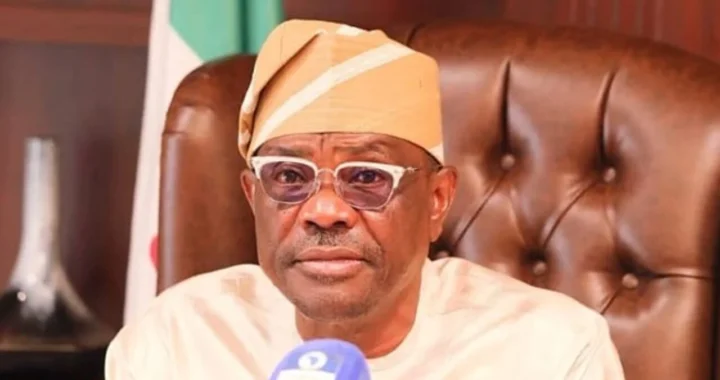 Wike Vows to Resign if Tinubu Loses FCT, Rivers in 2027
 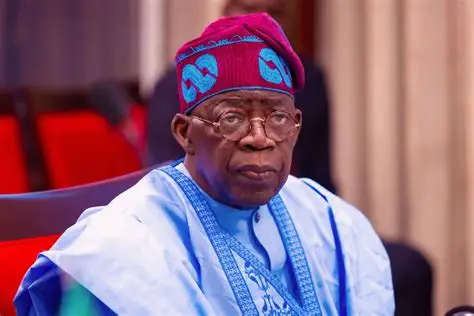 Tinubu Declares New Era of Prosperity as Nigeria Marks 66th Independence Anniversary
  Dangote Says Ready To Face Legal Battles Over Fuel Imports
  Airlines Face Fresh Disruptions As Jet A1 Costs Soar
 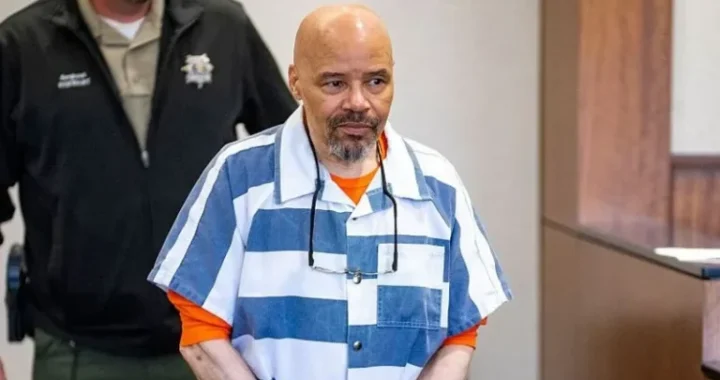 US Man Walks Free After 41 Years On Death Row
  Cjay Nwokafor Dies Hours Before Movie Release as Nollywood Mourns Rising Actor