
Airlines Face Fresh Disruptions As Jet A1 Costs Soar
Nigerian airlines are facing fresh operational challenges as the rising cost of aviation fuel puts pressure on their finances and contributes to flight delays and cancellations at major airports.
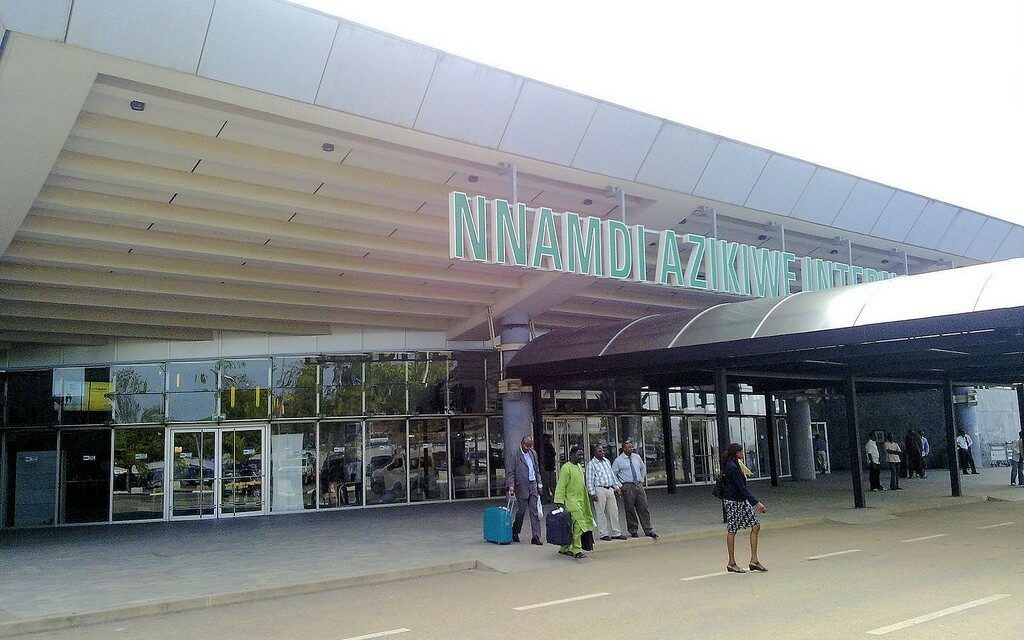
The latest disruption was recorded at the Nnamdi Azikiwe International Airport, Abuja, where passengers travelling to Lagos, Maiduguri and Asaba were left waiting for hours after several flights operated by Air Peace were delayed or cancelled.
The Nigeria Civil Aviation Authority confirmed that the airline was unable to operate some flights because of fuel-related issues. Air Peace later said the initial delays were caused by the unavailability of Jet A1 aviation fuel at the Abuja airport, affecting its operations and those of other airlines.
Although fuel marketers indicated that aviation fuel was available, industry sources said some airlines were struggling to obtain supplies because of outstanding debts. They also said the high cost of Jet A1 remained a major challenge for operators.
An airline industry source said Jet A1 was selling for about N2,130 per litre in Lagos and Abuja, while prices at some other airports ranged between N2,180 and N2,230 per litre.
The high fuel cost is putting additional pressure on domestic carriers because much of their revenue is earned in naira, while several major operating expenses, including fuel and aircraft maintenance, are linked to foreign exchange.
Aero Contractors Managing Director, Ado Sanusi, however, said there was no general shortage of aviation fuel in the country. He said the Dangote refinery had helped improve local availability, but acknowledged that the price remained a major concern for airlines.
Sanusi said Jet A1 was selling for about N2,000 per litre in Lagos and around N2,100 outside Lagos. He also stated that Aero Contractors was not indebted to fuel marketers and paid its fuel bills as they became due.
The latest difficulties come after Nigerian airlines had earlier warned about the financial impact of rising aviation fuel prices. Industry operators have previously disclosed that some airlines had borrowed heavily from banks to finance fuel purchases as operating costs continued to rise.
With fuel prices remaining high and airlines facing other expenses such as aircraft maintenance, foreign exchange and airport charges, operators are calling for measures that will reduce the pressure on the sector and prevent further disruptions to passengers.
 Wike Vows to Resign if Tinubu Loses FCT, Rivers in 2027
  Editorial: President Bola Ahmed Tinubu — 2026 Independence Day Address
  Tinubu Declares New Era of Prosperity as Nigeria Marks 66th Independence Anniversary
  Dangote Says Ready To Face Legal Battles Over Fuel Imports
  US Man Walks Free After 41 Years On Death Row
  Cjay Nwokafor Dies Hours Before Movie Release as Nollywood Mourns Rising Actor