
Lagos Island Stands Still as Akiolu’s Parade Draws Massive Crowd

By Ranti Thomas
What began as a routine day on Lagos Island quickly turned into a full-blown political spectacle as the campaign parade in support of Prince Rilwan Akiolu swept through major roads, forcing businesses, commuters, and residents to pause and take notice.
Instead of focusing only on the crowd size, the real story unfolded in the disruption and dominance of the moment. Streets were overtaken, traffic slowed to a crawl, and entire routes became temporarily impassable as waves of supporters moved in unison, chanting and celebrating.
The atmosphere carried the intensity of a major festival. Cultural displays, traditional drummers, and street bands transformed the political outing into a moving performance, blurring the line between campaign rally and public celebration. The coordinated movement of supporters gave the impression of a well-organized force, not just a spontaneous gathering.
Observers noted how the parade didn’t just attract supporters it compelled attention. Shop owners stepped out, pedestrians stopped mid-journey, and motorists abandoned impatience to watch the procession unfold. For hours, Lagos Island revolved around a single event.
At the center of it all was Akiolu, who moved through the crowd with a calm but commanding presence. His interaction with supporters, combined with the structured flow of the rally, suggested a campaign deeply rooted in visibility and street-level engagement.
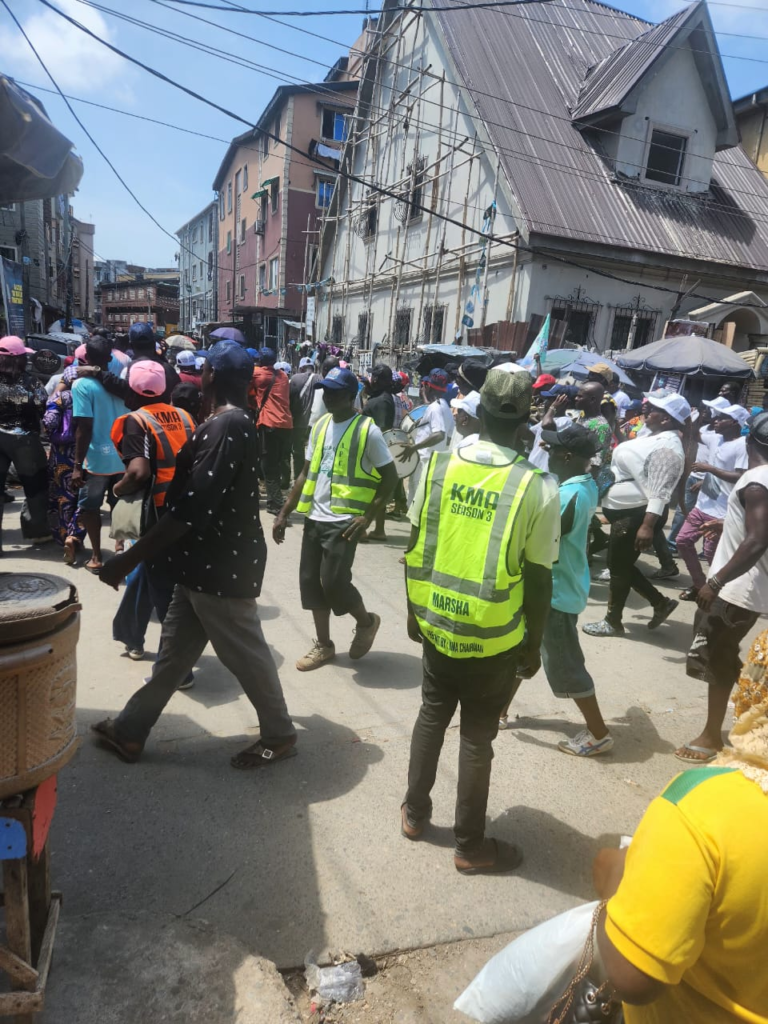
The scale and coordination of the parade have sparked conversations about political influence and grassroots strength. In a city known for its fast pace, it is no small feat to command such widespread attention and temporarily reshape movement across a major commercial hub.
Beyond the spectacle, Akiolu’s profile adds another layer to the narrative. As a lawyer with years of experience, he brings a blend of legal knowledge and leadership to his role, which supporters argue has helped him remain a significant figure despite political competition.
Backers at the rally were quick to point to his record, insisting that his time in office has delivered impact and sustained relevance. For them, the parade was not just about visibility it was about reinforcing confidence in his bid for re-election.
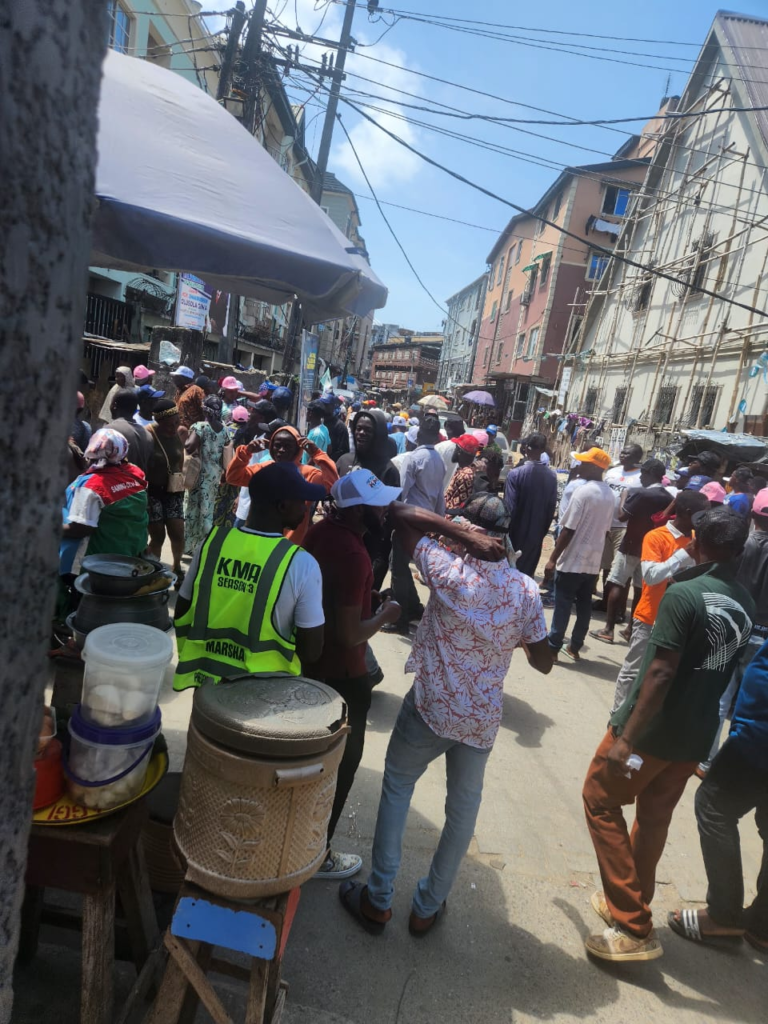
Critics may question the implications of such large-scale disruptions, but even they cannot ignore the statement it makes. The ability to mobilize thousands and dominate key areas of Lagos Island reflects a campaign that understands the power of presence.
By the time normalcy began to return, the message had already been sent. Whether viewed as a show of strength or a display of influence, the parade underscored one reality Akiolu’s campaign is not operating quietly, and Lagos Island felt every moment of it.