
Federal High Court Goes Digital with E-Filing Rollout in Lagos

By Ranti Thomas
The push to modernise Nigeria’s judicial system took a major step forward on Monday as the Federal High Court introduced its electronic filing system in the Lagos Division, replacing the long-standing reliance on manual paperwork.
At the launch event, the Chief Judge of the Federal High Court, Justice John T. Tsoho, said the reform represents a necessary evolution for the legal system. He stressed that the shift to digital processes is no longer optional but essential for improving how justice is delivered.
According to him, the new system is aimed at strengthening transparency while addressing long-standing issues linked to physical case files, including delays, tampering, and loss of documents.
He noted that every action carried out on the platform will now leave a traceable digital record, making the process more accountable.
Justice Tsoho explained that the era of bulky files and crowded registries is coming to an end. With the new platform, lawyers and litigants can now file cases from anywhere with internet access, at any time of the day, without being limited by traditional court hours.
He added that the digital process also eliminates the influence of unofficial intermediaries, as payments are now made through integrated channels that ensure proper documentation of all fees. The time it takes for court documents to get to a judge has also been significantly reduced.
Lawyers were encouraged to embrace tools such as digital signatures and the e-affidavit system to align with the new process, although physical appearance before a commissioner for oaths remains necessary for verification.
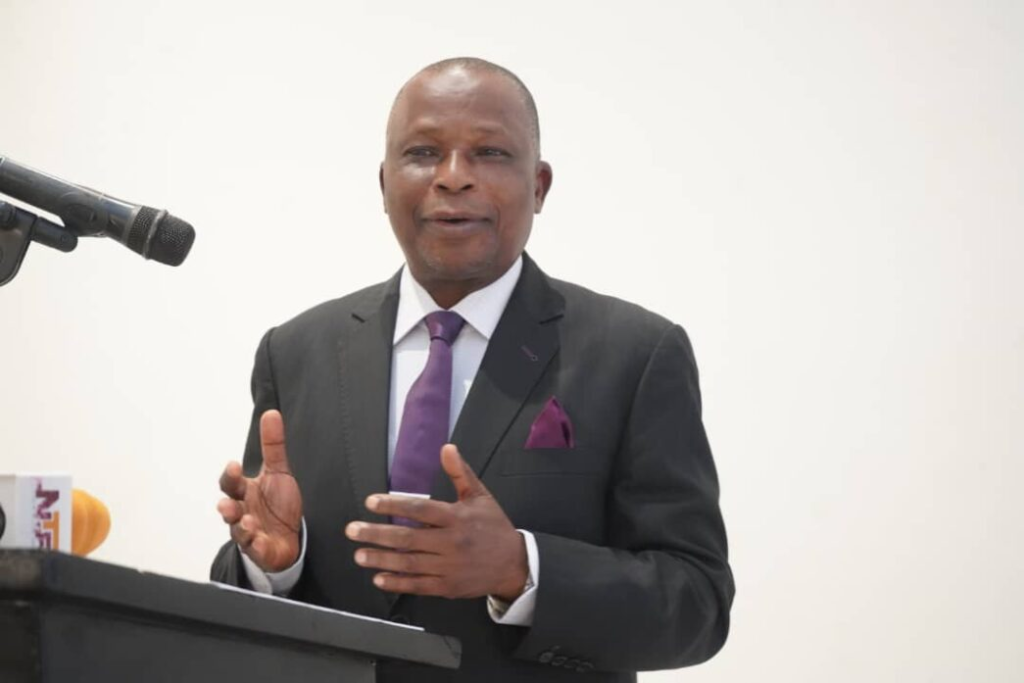
Speaking on the broader impact of digitalisation, Justice Kashim Zannah shared an experience from Maiduguri, where severe flooding destroyed court facilities. Despite the damage, he said no legal documents were lost because they had been stored electronically.
He explained that even while court buildings were affected by the flood, legal activities continued without interruption, as lawyers were still able to file cases remotely. He described this as a clear example of how technology can protect and sustain the justice system during emergencies.
Justice Zannah further noted that several states, including Borno State, Bayelsa State, Delta State, Niger State, and Taraba State, have already adopted similar digital systems. He urged other states such as Ekiti State, Ebonyi State, and Ogun State to follow the same path.
The Nigerian Bar Association, through Anene Nwadukwu, also backed the initiative, describing it as a vital step toward maintaining high standards in legal service delivery, especially in a major hub like Lagos.
With this rollout, the Federal High Court joins the growing list of institutions embracing digital transformation, setting a new direction for faster, more transparent, and more efficient justice administration in Nigeria.