
State Police Panel Reconvenes Amid Framework Talks, Rights Concerns

The Inspector-General of Police, Olatunji Disu, has inaugurated a committee to examine the framework for the establishment of state police in Nigeria.
Disu announced the move on Monday, saying the initiative is aimed at addressing Nigeria’s growing security challenges and making policing more responsive to local communities.
Speaking during the inauguration, the police chief said the committee’s assignment is timely and important as the country continues to debate the need for decentralised policing.
He noted that the proposed framework would help strengthen internal security while ensuring that the existing national policing structure remains intact.
According to him, decentralised policing could bring law enforcement closer to communities, enabling faster responses to emerging security threats.
Disu also stressed that the creation of state police would not undermine the role of the Nigeria Police Force, which would continue to function as the country’s primary law enforcement agency.
He explained that the federal police would increasingly focus on complex crimes such as terrorism, organised crime, cybercrime and human trafficking that require national coordination.
“The vision we seek is one of synergy, not competition; partnership, not duplication,” the IGP said while urging the committee to approach its assignment with diligence.
Members of the committee include Commissioner of Police Bode Ojajuni, Deputy Commissioners of Police Okebechi Agora and Suleiman Gulma, Assistant Commissioner of Police Ikechukwu Okafor, Chief Superintendent Tolulope Ipinmisho, and retired Commissioner of Police Emmanuel Ojukwu.
Nigeria has long debated the creation of state police, but constitutional provisions currently place policing under the exclusive control of the Federal Government.
Under Section 214 of the 1999 Constitution, only one police force is recognised for the country, meaning the establishment of state police would require a constitutional amendment approved by the National Assembly and at least two-thirds of state legislatures.
Supporters argue that decentralising policing would improve intelligence gathering, response time and community trust, especially as insecurity continues in several parts of the country.
However, critics warn that state police could be abused by governors to target political opponents if strong oversight mechanisms are not put in place.
Several stakeholders, including civil society groups and political leaders, have urged the committee to ensure that any proposed framework includes safeguards against misuse of power.
The debate has continued to gain attention as Nigeria searches for more effective ways to tackle insecurity and strengthen its internal security architecture.
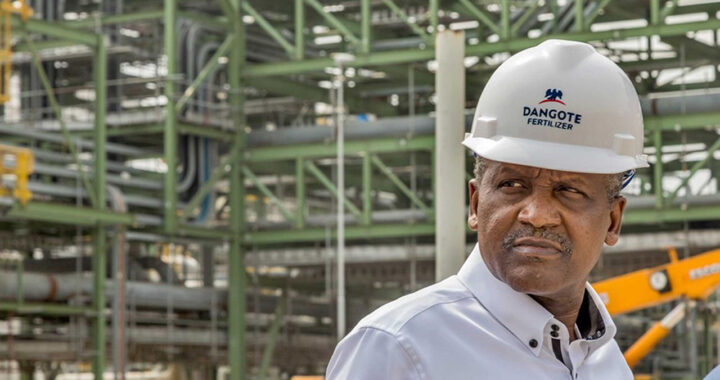 Dangote Refinery Raises Petrol Price Again To N1,350
  EFCC, FBI Close In On Alleged USAID Funds Misuse
 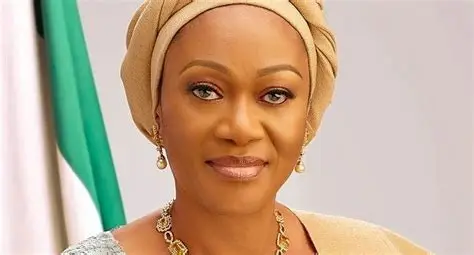 Remi Tinubu Honoured with Anambra Chieftaincy Title
 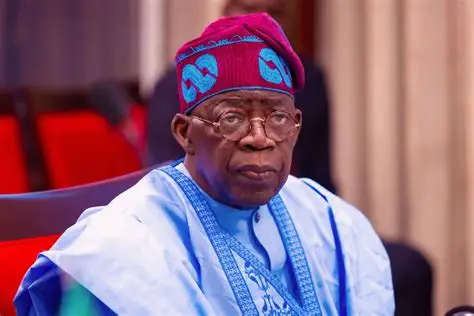 Tinubu Mourns Peter Onwubuariri, Presidential Media Aide Dies At 48
 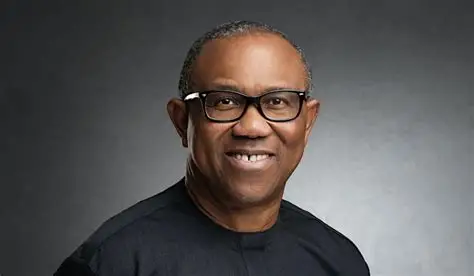 Peter Obi’s Convoy Blocked In Benue As Sowore Condemns Incident
 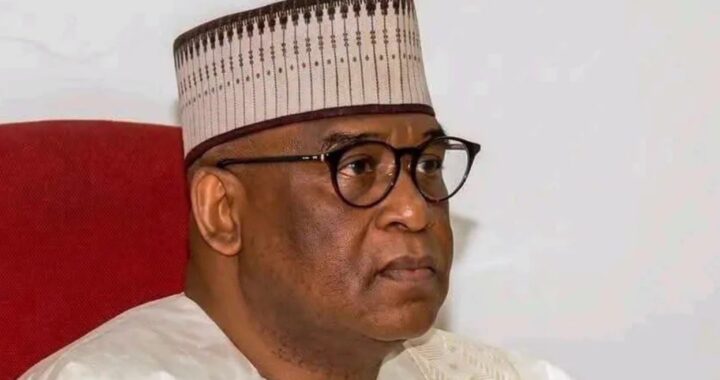 Former Katsina Senator Bello Mandiya Dies At 62
 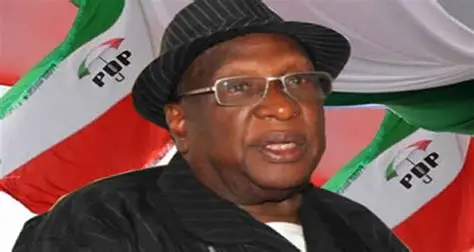 Bamanga Tukur Dies At 90 After Decades In Public Service
 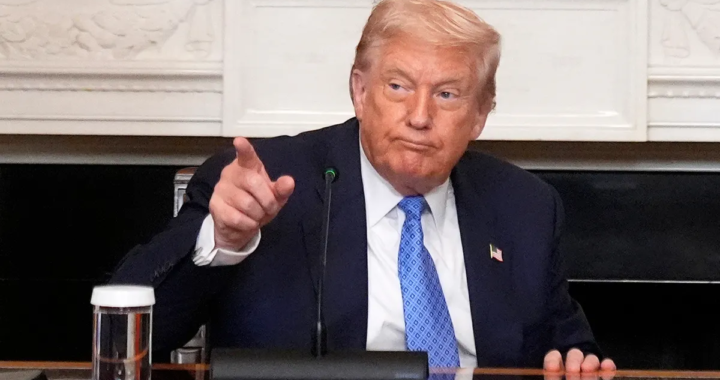 Trump’s Oil Price Promises Shift As Iran War Drags On